Search Website
SDG 14 - Life Below Water
Western News
Meet Western researchers advancing SDG 14 through marine conservation, sustainable fisheries, and action on aquatic pollution.
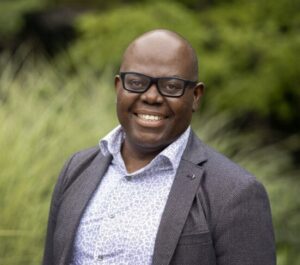
Paul Mensink – Strengthening Basking Shark Conservation
Paul Mensink and his collaborators track the seasonal movements of basking sharks to better understand how these vulnerable animals use coastal and open-ocean habitats. Their findings challenge previous assumptions about shark migration and provide valuable evidence for national and international conservation planning. This research supports SDG 14 by informing efforts to protect marine species across their migratory ranges.
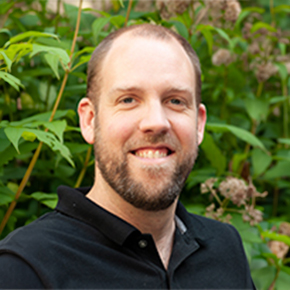
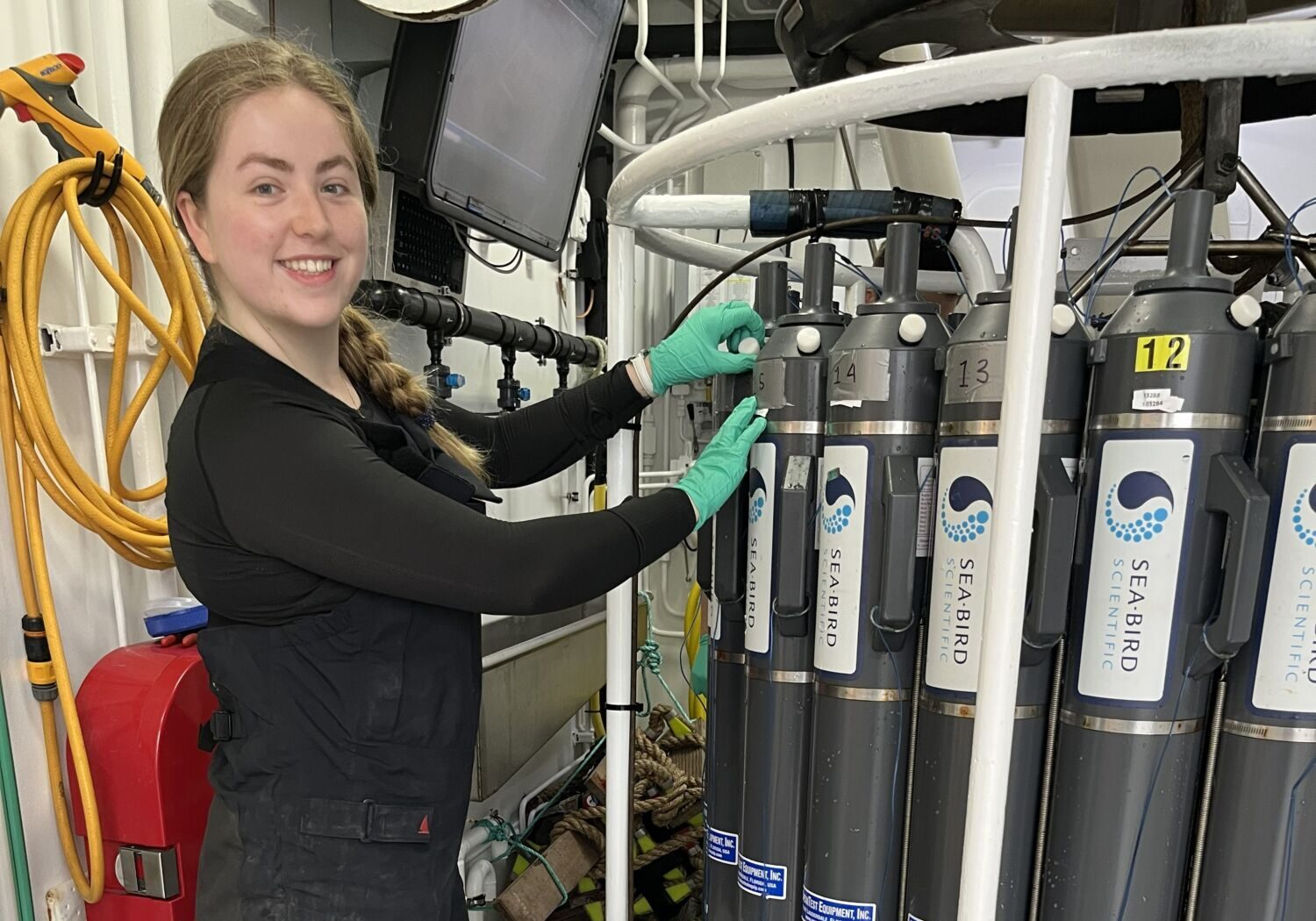
Alessandra Walsh – Exploring Deep-Sea Ecosystems
Western PhD candidate Alessandra Walsh joined the international MOSAIC project to study marine predator-prey relationships in the North Atlantic. Her work involves collecting environmental DNA, tracking deep-sea species and examining how climate change affects sharks and their prey. The research generates evidence that can guide fisheries management and the protection of vulnerable marine ecosystems.
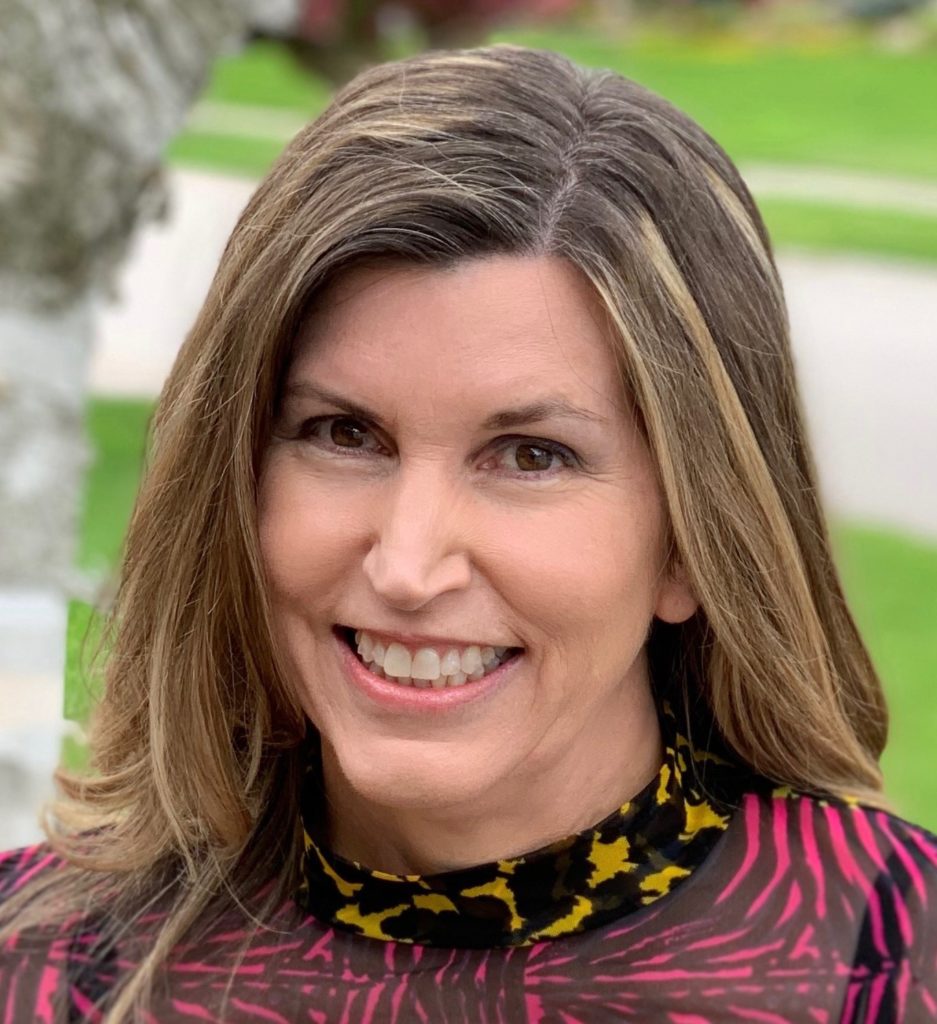
Patricia Corcoran – Tackling Plastic Pollution
Patricia Corcoran’s interdisciplinary research examines plastic and microplastic pollution along Great Lakes shorelines. Her team has collected and catalogued thousands of plastic pellets to trace their sources and better understand how they move through aquatic environments. This work also brings together scientific research, public engagement and partnerships to support efforts to reduce plastic pollution and protect aquatic ecosystems.
Bryan Neff – Supporting Sustainable Fisheries
Bryan Neff works with the GEN-FISH network to monitor the health and distribution of Canada’s freshwater fish species. Using environmental DNA, researchers can identify species, track population changes and assess threats without relying entirely on conventional trapping methods. The resulting information helps governments, Indigenous communities and conservation organizations make informed decisions about fisheries management and aquatic biodiversity.
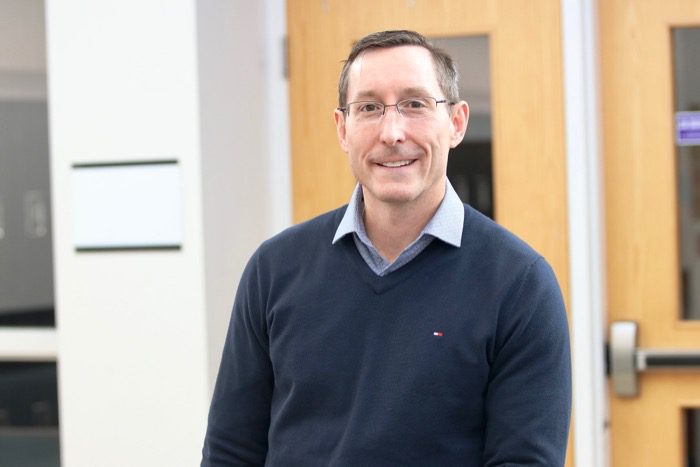
Charles Trick – Identifying Risks to Ocean Ecosystems
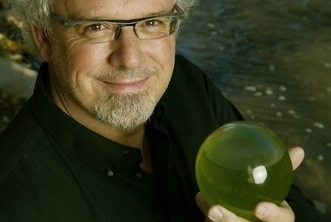
Raymond Thomas – Marine Biomass Innovation
Raymond leads the Marine Biomass Innovation project, which brings together Indigenous communities, industry and researchers to find new uses for materials typically discarded by Canada’s fishing industry. The project aims to reduce waste, support full utilization of marine biomass and create new economic opportunities in coastal and Indigenous communities, advancing more sustainable production and a circular marine economy.