Reduce inequality within and among countries

Research
Hate Indicators
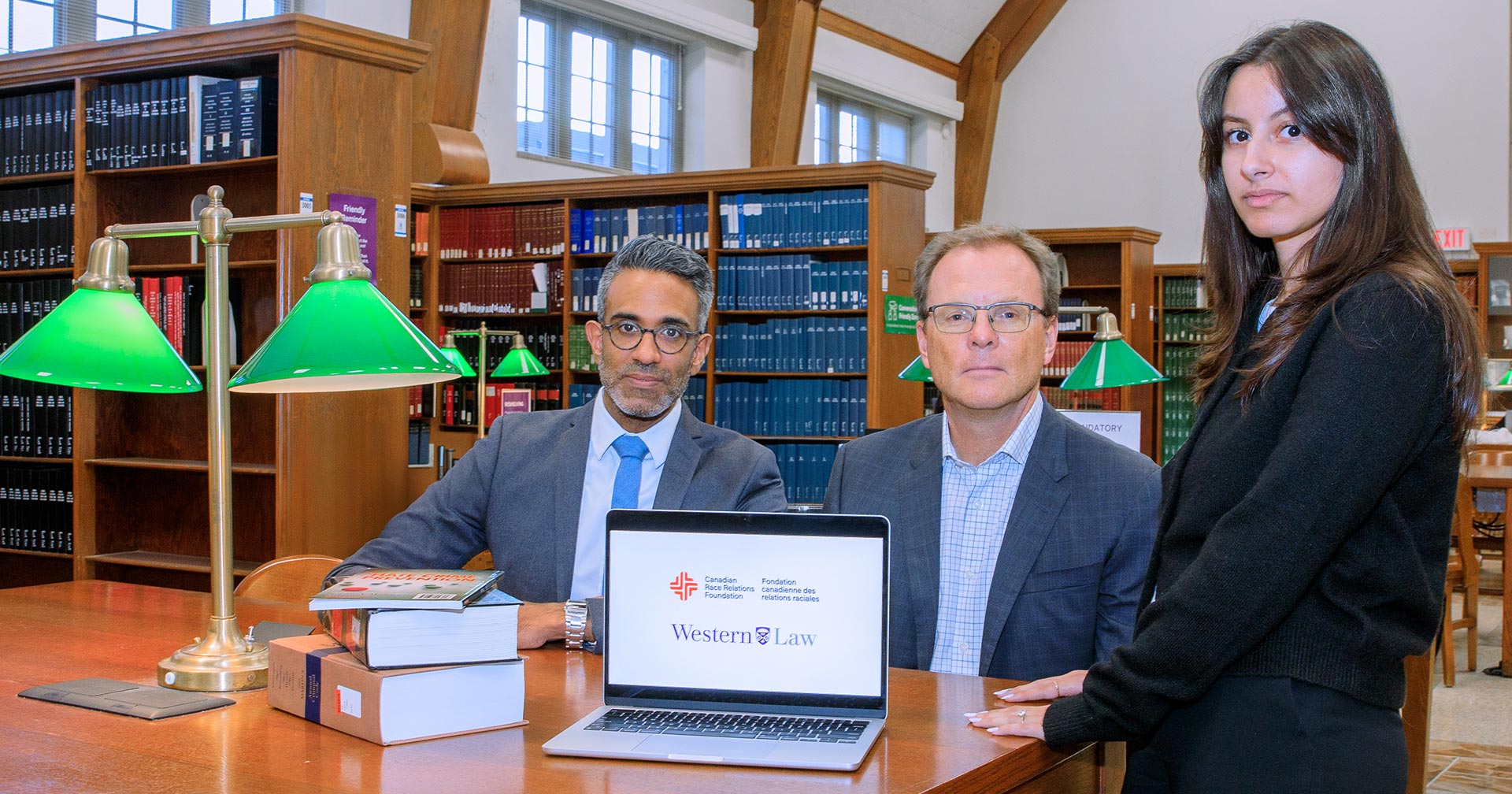
Researchers from the Faculty of Law developed the Canadian Hate Crime Case Law Research Tool. It strengthens legal research, teaching, and outreach by providing a structured, evidence-based resource for analyzing hate crime cases in Canada. Developed through collaboration between law students, faculty, and the Canadian Race Relations Foundation, the tool identifies key indicators across 15 years of case law. It supports legal professionals, educators, and students in understanding patterns and improving responses to hate-motivated offenses. By integrating academic research with practical application, the tool enhances legal literacy, promotes equity, and fosters collaboration between the university and justice system stakeholders.
Intimate Partner Violence
Western researchers are advancing public understanding of intimate partner violence (IPV) through evidence-based analysis and policy engagement. Drawing on national data and legal inquests, their work highlights the widespread impact of IPV on health, economic stability, and social systems. By identifying patterns and consequences of gender-based violence, Western contributes to informed policymaking and community awareness. The research supports calls for systemic change and encourages municipalities to recognize IPV as a public health crisis. These efforts reflect the university’s commitment to addressing complex social issues through rigorous scholarship and collaboration with legal, health, and advocacy sectors.
Teaching
Blackademia
Blackademia supports inclusive teaching by amplifying Black scholarship and lived experiences within academic spaces. Through curated resources, events, and storytelling, it fosters critical dialogue around race, identity, and systemic inequities. The initiative encourages faculty to integrate diverse perspectives into curricula and pedagogy, promoting equity and belonging in the classroom. By supporting culturally responsive teaching and highlighting Black excellence, Blackademia helps dismantle barriers to representation and learning, contributing to a more inclusive and socially aware educational environment at Western.
Accessibility Boosts
Western’s Accessibility Boosts initiative enhances inclusive teaching by helping instructors design online learning environments that support diverse student needs. It provides practical strategies and downloadable resources to improve accessibility in course content, assessments, and digital platforms. By applying principles of universal design and equity, the initiative enables educators to reduce barriers and encourage participation across learning styles and abilities. These efforts promote fairness and opportunity for all students through thoughtful, research-informed teaching practices.
Indigenous Program Modules
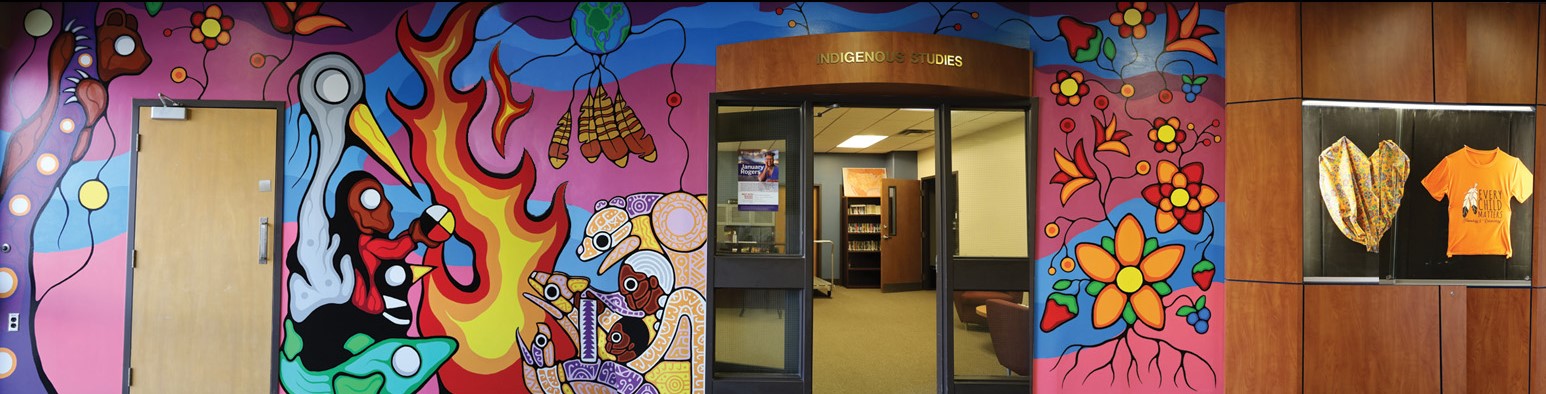
Western’s new Indigenous Studies undergraduate modules support inclusive teaching by centering Indigenous knowledge systems, histories, and perspectives. The updated curriculum offers interdisciplinary approaches that reflect Indigenous worldviews and lived experiences, fostering critical engagement with colonialism, reconciliation, and cultural resurgence. These modules encourage respectful dialogue and relational learning, equipping students to understand and challenge systemic inequities. By embedding Indigenous scholarship into core teaching practices, Western promotes equity, representation, and culturally responsive education, contributing to a more inclusive and socially aware academic environment.
Outreach
Domestic Violence at Work Initiative
The Domestic Violence at Work initiative helps organizations create safer, more inclusive workplaces by offering tools, training, and policy development resources. It supports employers in recognizing and responding to domestic violence as a workplace issue, with customizable policy templates, readiness assessments, and risk screening tools. Research highlights how domestic violence affects job performance, workplace safety, and economic stability, especially for marginalized groups. By integrating evidence-based practices into workplace operations, the initiative promotes equity, supports vulnerable workers, and fosters healthier, more resilient employment environments across sectors.
Global Health Equity Hub at Western
 Western’s Schulich X-LABS program engages high school students from varied backgrounds in immersive biomedical research experiences. By connecting youth with advanced lab environments, mentoring from PhD candidates, and exposure to university life, the initiative builds confidence and scientific literacy. It opens pathways to higher education and careers in science for students who may not otherwise access such opportunities. Through hands-on learning and personal mentorship, X-LABS strengthens community ties and expands participation in biomedical fields across generations.
Global Skills Opportunity Ambassadors
Western’s participation in the Global Skills Opportunity program supports outreach by expanding access to international learning for underrepresented students. Through funding and tailored support, the initiative enables students to gain global experience, build intercultural competencies, and strengthen career readiness. It promotes equity by reducing financial and systemic barriers to study abroad, particularly for Indigenous students, those with disabilities, and low-income learners. These efforts extend Western’s educational impact beyond campus, fostering inclusive global engagement and helping students thrive in diverse professional and academic environments.
Operations
Declarations of Indigenous Citizenship
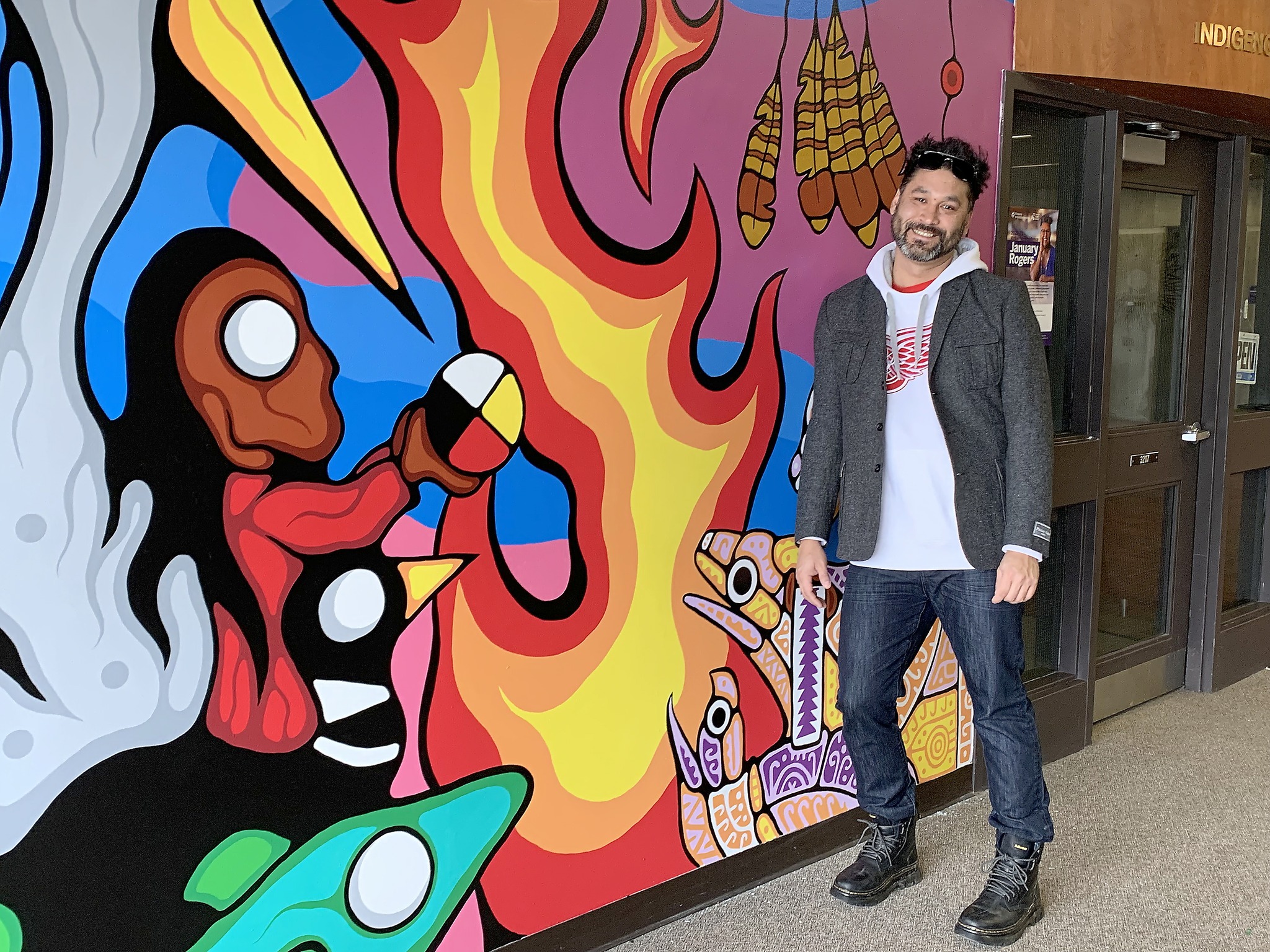
Western’s Indigenous Affirmation Policy ensures that designated opportunities for Indigenous students, staff, and faculty are accessed through verified citizenship or membership. Developed with local Indigenous communities, it strengthens institutional integrity and accountability. The policy is operationalized through a formal procedure led by the Indigenous Affirmation Advisory Committee, promoting transparency and respect for Indigenous sovereignty in recruitment, admissions, and resource allocation.
Gender-Based Sexual Violence Training
Western’s operational support for gender-based violence prevention is reflected in its use of evidence-based models and resources. The university promotes knowledge dissemination through mandatory training and printable tools, helping staff and students recognize and respond to violence. Programs like Undressing Consent offer engaging, pleasure-focused approaches to learning about consent and rejection, while ManMade provides evaluated strategies for engaging men in prevention. These models contribute to Western’s broader initiatives by embedding research-informed practices into campus operations, fostering safer environments and promoting equity through education, policy, and community engagement.
Accessible Education
Accessible Education at Western University  ensures students with disabilities receive tailored academic accommodations across courses, exams, and internships. It provides accessible formats, assistive technologies, and learning strategy instruction, while coordinating with faculty and services to remove barriers. Through individualized support and inclusive infrastructure, the unit operationalizes equity in academic access, enabling students to fully participate and succeed in their educational journey.