Build resilient infrastructure, promote inclusive and sustainable industrialization and foster innovation
Research
Building Better Batteries
In September 2024, Western researchers, led by Dr. Yang Zhao, advanced the development of solid-state batteries—a safer, longer-lasting alternative to conventional lithium-ion batteries. This work supports the emerging electric vehicle (EV) industry, especially in light of Volkswagen’s $7-billion EV battery gigafactory being built nearby in St. Thomas, Ontario. Western’s expertise in materials science, energy storage, and advanced manufacturing positions it as a key contributor to sustainable industrial innovation and infrastructure development.

Yang Zhao
Vancouver Seismic Mapping
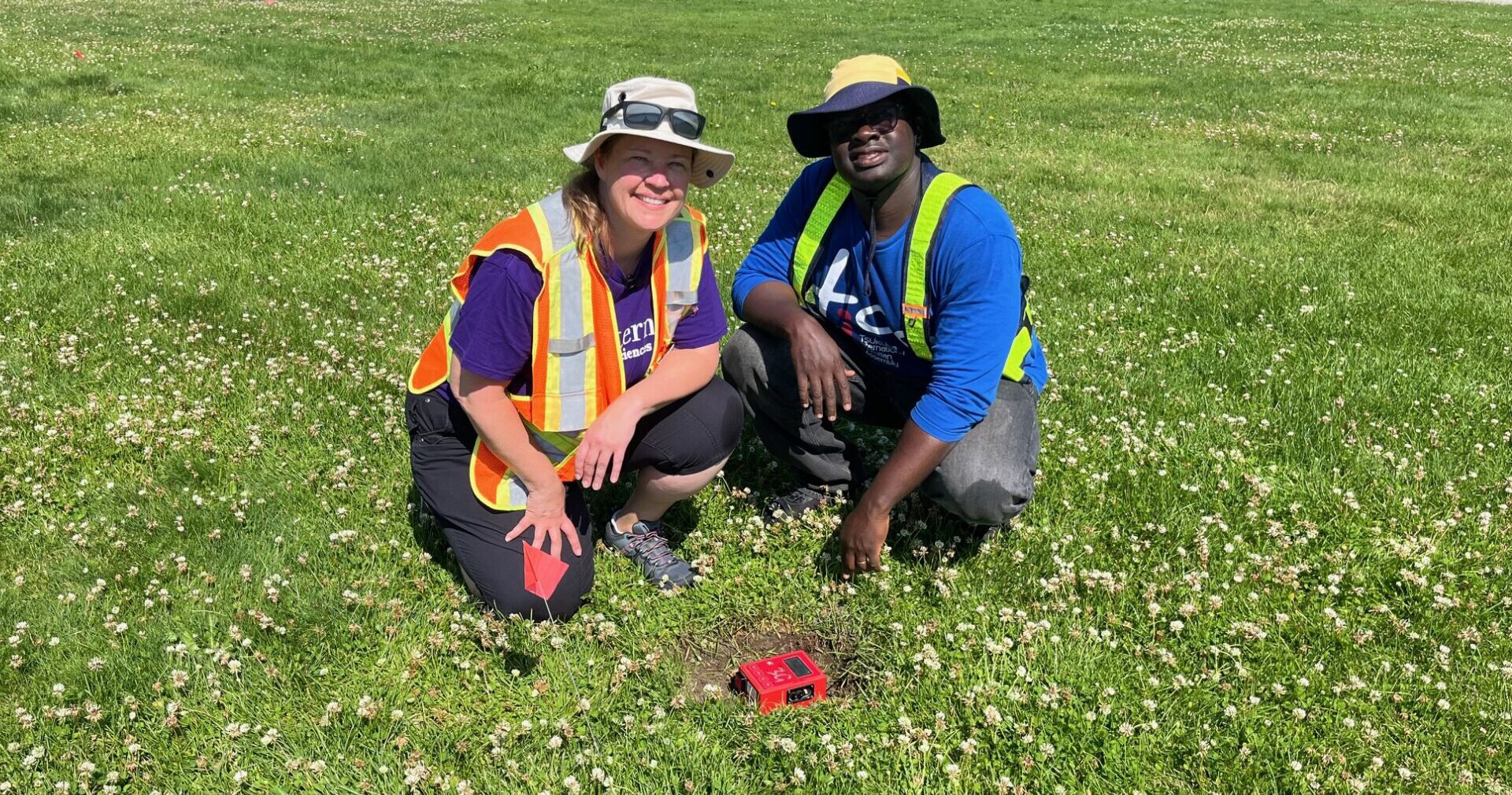
Western University researchers, led by Sheri Molnar, are mapping seismic hazards across Metro Vancouver to improve infrastructure resilience and emergency preparedness. The decade-long project uses seismometers and geological data to assess ground vibration patterns at over 17,000 sites. These findings inform land-use planning, retrofit priorities, and risk mitigation strategies. By advancing urban seismic microzonation, Western supports safer infrastructure development and disaster-ready communities—key contributions to sustainable, resilient cities and innovation in public safety systems.
Teaching
Ivey Certificate in Entrepreneurship at Western
Western University’s Ivey Certificate in Entrepreneurship equips undergraduate students with the skills to innovate and build ventures through interdisciplinary coursework and experiential learning. Open to students across faculties, the program encourages creative problem-solving, digital design, and venture development. With access to maker spaces, mentorship, and a capstone New Venture Project, it prepares students to contribute to sustainable industry and infrastructure. This initiative strengthens innovation capacity and supports inclusive economic development through education.
Maker Spaces
Western’s maker spaces empower students to explore hands-on innovation and design. Equipped with tools like 3D printers, laser cutters, and CNC machines, these spaces encourage creativity, problem-solving, and interdisciplinary collaboration. Students from any faculty can access training and materials to prototype ideas, build projects, and develop entrepreneurial skills. By encouraging experimentation and practical learning, Western cultivates a culture of innovation and supports the development of future-ready graduates who can contribute to technological advancement and creative industries.
Industry Projects
Western’s Industry Projects program connects students with small- to medium-sized businesses to solve real-world challenges through course-based consulting. Students apply academic knowledge to practical scenarios, gaining experience in teamwork, communication, and problem-solving. Projects are designed in collaboration with industry partners and aligned with course learning outcomes, ensuring relevance and impact. This initiative cultivates innovation, supports local business development, and helps students build career-ready skills while contributing meaningfully to organizational goals.
Peer AI Training Program
Western’s Peer AI Training Program helps students build confidence and competence in using artificial intelligence through hands-on, peer-led workshops. Developed by the Students’ Council in collaboration with Western’s chief AI officer, the program features student instructors guiding participants in exploring AI tools and techniques. Sessions highlight real-world applications across disciplines, encouraging ethical and effective use of AI in academic and professional contexts. This initiative fosters collaborative learning and prepares students for an increasingly AI-integrated future.
Outreach
Engineering Community Partnerships
Western Engineering’s Community Partnerships extend STEM learning beyond campus by collaborating with local organizations to deliver inclusive, hands-on programming. Through initiatives with libraries, museums, resource centres, and youth clubs, Western brings engineering education to underserved communities, supporting curiosity, confidence, and skill-building. Programs are designed to complement existing efforts, not duplicate them, and include activities like robotics, design challenges, and science fairs. This outreach fosters innovation, strengthens community infrastructure, and builds pathways for youth to engage with engineering in meaningful, accessible ways.
Connector Suites at Western Discovery Park
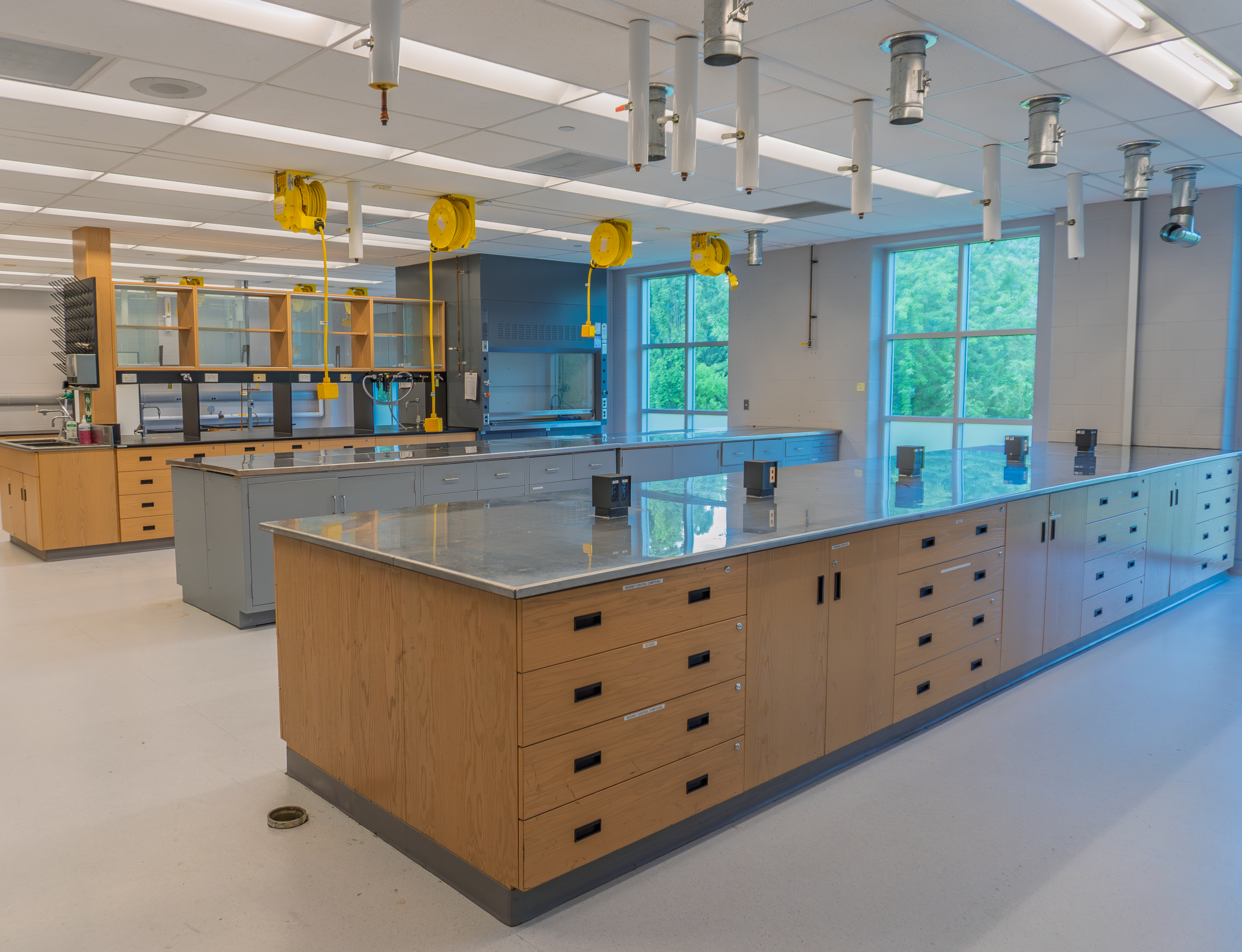
The Connector Suites at Western Discovery Park support innovation outreach by providing a versatile, high-tech venue for collaboration among researchers, entrepreneurs, and community partners. Located within Western Research Parks, the space hosts conferences, workshops, and seminars that foster knowledge exchange and interdisciplinary engagement. With cutting-edge AV equipment, customizable layouts, and access to local art and catering, it creates an inclusive environment for idea-sharing and networking. Free bookings for community groups and academic affiliates further promote accessibility, helping bridge academia, industry, and the public in a shared pursuit of innovation and development.
Western Innovation and Strategic Partnerships

Operations
Research Commercialization
Through its Technology Transfer Office, Western supports researchers in transforming innovations into market-ready solutions via licensing, spin-offs, and strategic partnerships. The process includes invention disclosure, IP protection, market assessment, and business development. Programs like WE-Empower! and Graduate Student Innovation Scholars provide training and mentorship in entrepreneurship and commercialization. These services leverage institutional infrastructure to promote sustainable innovation, strengthen industry collaboration, and contribute to regional economic development.
Sustainable Impact Fund
Western’s Sustainable Impact Fund supports campus-based projects that use university operations as a platform for innovation and experiential learning. In 2024, initiatives included prototyping carbon capture devices using 3D printing and exploring circular textile systems through business-focused seminars. These projects integrate student research with operational infrastructure—such as labs, maker spaces, and recycling systems—to test and refine sustainable solutions. By leveraging existing campus resources and cross-disciplinary collaboration, Western fosters practical innovation, supports skill development, and strengthens its role as a living lab for environmental and technological advancement.
Campus as a Living Lab
Western’s Campus as a Living Lab program integrates operational infrastructure into academic learning and innovation. Facilities Management collaborates with faculty and students to turn campus systems—such as energy, biodiversity, and building performance—into real-world research and teaching opportunities. Projects include AI-enhanced building energy modeling, biodiversity inventories, and sustainable landscaping. These initiatives use Western’s built environment and operations as a testing ground for sustainable solutions, fostering interdisciplinary collaboration and continuous improvement in campus systems while engaging the broader community in experiential learning.