Make cities and human settlements inclusive, safe, resilient and sustainable
Research
Art & Sustainability
Canadian Neighbourhood Change Explorer
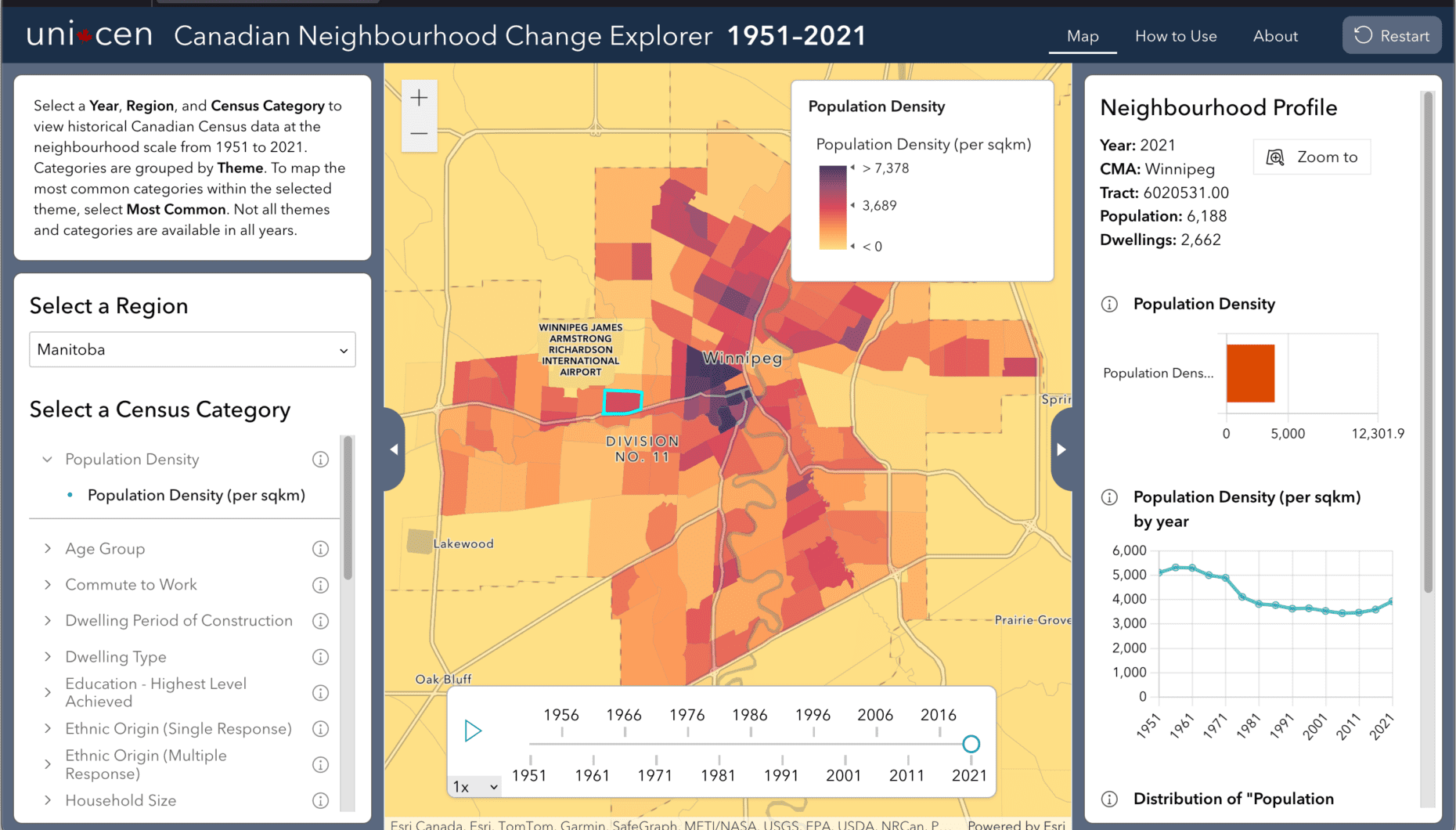
Western’s Neighbourhood Change Explorer transforms decades of census data into a digital platform for analyzing urban trends. Researchers use it to study housing, income, and mobility patterns across Canadian cities. This tool supports evidence-based planning and policy development, helping scholars and decision-makers understand long-term urban change and promote inclusive, sustainable communities.
Teaching
Civil and Environmental Engineering
Western's Civil and Environmental Engineering professional graduate programs integrate urban sustainability into teaching through courses on smart cities, sustainable mobility, and intelligent transportation systems. Students gain practical skills in data-driven planning, infrastructure design, and environmental resilience. This curriculum equips future engineers to address urban challenges and contribute to more inclusive, efficient, and sustainable city development.
Urban Education
The Faculty of Education’s Urban Education specialization equips teacher candidates to address inequities in city schools through critical inquiry and practicum-based research. By examining how social factors shape student engagement and developing action plans for inclusive teaching, candidates contribute to safer, more resilient learning environments. This approach supports the development of equitable urban communities through education that responds to diverse needs and lived experiences.
Urban Development Program
Western’s Urban Development undergraduate program prepares students to analyze and respond to urban growth and change through interdisciplinary study. By combining geographic, economic, and social perspectives with analytical and business skills, students learn to address challenges in land use, housing, and infrastructure. This education supports the creation of inclusive, resilient, and sustainable urban environments through informed decision-making and planning.
Outreach
How Should Cities Adapt to Climate Change?
Western experts like Gordon McBean and James Voogt translate complex climate science into actionable insights for the public, municipalities, and policymakers. Their work informs community-level responses to extreme heat, promotes awareness of urban heat islands, and encourages inclusive planning strategies—engaging citizens in climate adaptation through education, media, and local partnerships.
 Geography 50-Year Reunion
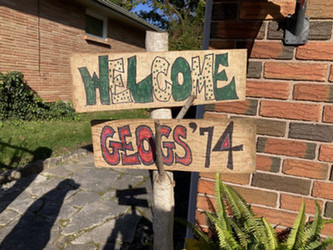
Western’s Geography 50-Year Reunion brought together alumni and faculty whose careers have shaped urban sustainability through planning, environmental innovation, and public service. The event included a departmental visit and public talk, creating space for dialogue on how geographic knowledge contributes to safer and more inclusive cities. It highlighted long-term impact and inspired future engagement with urban challenges.
Partnership with

Vancouver Recital Society
Western’s partnership with the Vancouver Recital Society brings celebrated musicians to campus for free public performances and student masterclasses. These events enrich cultural life in London, Ontario, and make high-quality artistic experiences accessible to a broader community. By connecting global talent with local audiences and students, the initiative strengthens the city’s cultural infrastructure and supports vibrant, inclusive urban living.
Operations
Green Spaces and Gardens
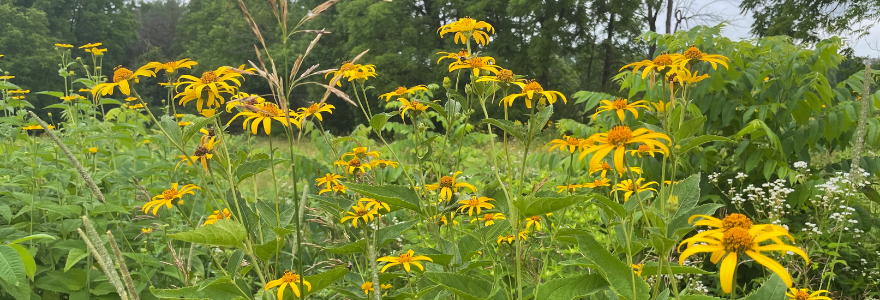
Western University’s campus operations emphasize ecological stewardship across its 450+ hectares of diverse landscapes. Through native plantings, invasive species management, and pollinator-friendly gardens, Western protects biodiversity and supports healthy ecosystems. Rain gardens mitigate stormwater runoff, reducing flood risk and improving water quality. Public access and educational tours promote awareness and engagement with these natural spaces. These practices contribute to a resilient, inclusive, and environmentally responsible campus that integrates nature into daily life and long-term planning.
Safer Roads and Crossings
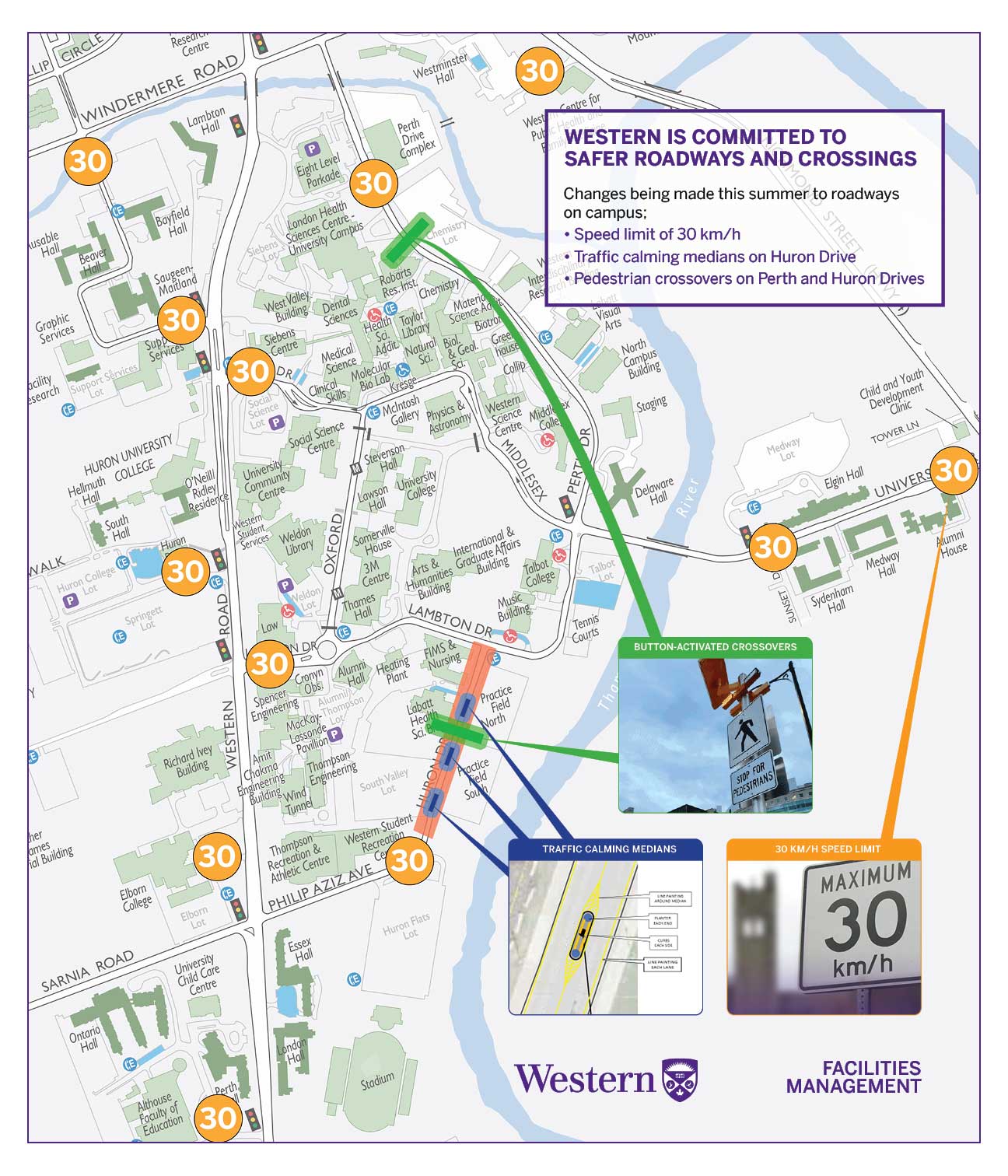
Western’s Safer Roads and Crossings initiative improves campus mobility and safety through traffic calming measures, reduced speed limits, and enhanced pedestrian infrastructure. By installing medians and button-activated crosswalks, the university reduces vehicle speeds and prioritizes pedestrian access. These operational changes support a more inclusive and secure campus environment, contributing to broader efforts to create livable and sustainable urban spaces.
Alert WesternU
Western’s Alert WesternU system enhances campus safety through real-time emergency notifications, preparedness resources, and coordinated response protocols. It helps protect students, staff, and visitors during severe weather, security threats, or other disruptions. By integrating technology and communication across university operations, Alert WesternU contributes to a safer, more resilient campus environment that supports broader efforts to build secure and responsive urban communities.