Protect, restore and promote sustainable use of terrestrial ecosystems, sustainably manage forests, combat desertification, and halt and reverse land degradation and halt biodiversity loss
Research
Advanced Facility for Avian Research
The Advanced Facility for Avian Research investigates how birds respond to environmental stressors like habitat disturbance, climate change, and disease. Research spans reproduction, migration, and wintering, revealing how ecological pressures impact physiology and behaviour. Birds serve as indicators of ecosystem health, with studies on flight energetics, immune function, and vocal learning contributing to conservation biology. Field and lab work inform strategies for biodiversity protection, emphasizing the role of avian species in maintaining ecological balance and understanding global environmental change.
The Western Skylark
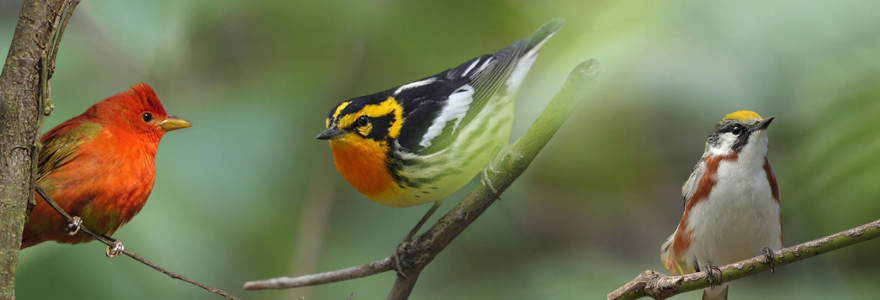
The Skylark CubeSat enhances wildlife tracking by collecting space-based data on migratory songbirds, waterbirds, and shorebirds. By extending the Motus telemetry network, Skylark enables precise monitoring of animal movements, contributing to conservation science. The mission supports ecological research through real-time data collection and student-led innovation in satellite technology. Skylark’s outreach initiatives  engage communities and students in understanding biodiversity and environmental change, while its technical design demonstrates scalable, efficient tools for tracking species across vast and remote landscapes.
Teaching
Biodiversity and Conservation
Western’s Major in Ecosystem Health equips students to analyze ecological systems and human impacts on biodiversity. Through interdisciplinary coursework in biology, environmental science, and field research, students explore ecosystem dynamics, conservation strategies, and restoration practices. The program emphasizes scientific inquiry and applied learning, preparing graduates to address environmental challenges and contribute to sustainable land and species management.
Animal Behaviour
Western’s BSc. in Animal Behaviour integrates biology and psychology to explore ecological and evolutionary influences on behaviour. Students examine communication, foraging, and social organization through fieldwork and lab research. Courses emphasize critical thinking and data analysis, preparing graduates to address biodiversity challenges and contribute to conservation science through evidence-based understanding of species interactions and environmental pressures.

Ecosystem Health
Western’s Major in Ecosystem Health equips students to analyze ecological systems and human impacts on biodiversity. Through interdisciplinary coursework in biology, environmental science, and field research, students explore ecosystem dynamics, conservation strategies, and restoration practices. The program emphasizes scientific inquiry and applied learning, preparing graduates to address environmental challenges and contribute to sustainable land and species management.
Outreach
Tropical House
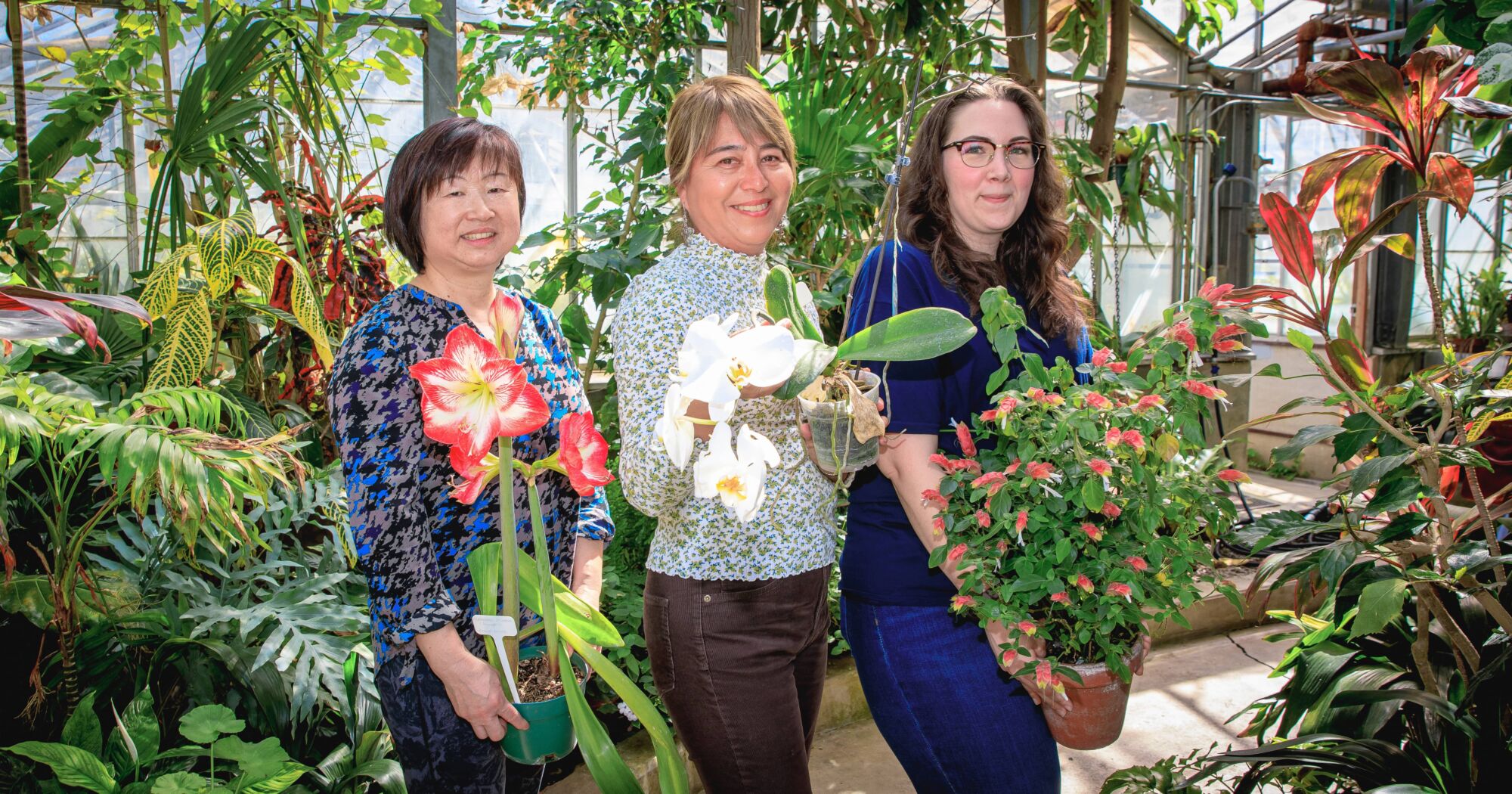
Western’s Sustainable Impact Fund empowers community-led projects that enhance ecological awareness and stewardship. Initiatives like the Tropical House greenhouse rejuvenation expand public access to biodiversity education through tours, workshops, and plant sales. By supporting infrastructure upgrades and engagement materials, the fund strengthens teaching and research capacity while promoting sustainable practices. These efforts connect students, faculty, and the broader community in learning about plant care, composting, and environmental responsibility.
Forest City Tree Festival
Western’s Forest City Tree Festival engages the public in urban forest stewardship through guided hikes, tree planting, and native plant exchanges. Collaborating with Indigenous leaders, conservation groups, and city officials, the event highlights ecological connections and community action. Educational panels explore careers in arboriculture and sustainable seed collection. Activities at the Wampum Learning Lodge integrate cultural knowledge and biodiversity restoration, while student-led research and Campus as a Living Lab initiatives promote long-term environmental awareness.
Madagascar Field Course
Western’s Environmental Anthropology field course in Madagascar connects students with local communities to study ecotourism and climate change. Through collaborative research, students explore biodiversity, conservation challenges, and sustainable livelihoods. Camping at community-run sites, they model responsible tourism and conduct climate surveys to support local adaptation efforts. The program builds intercultural understanding, strengthens community ties, and promotes ecological awareness through immersive, reciprocal learning experiences.
Operations
Friends of the Gardens: Plant Sale
Friends of the 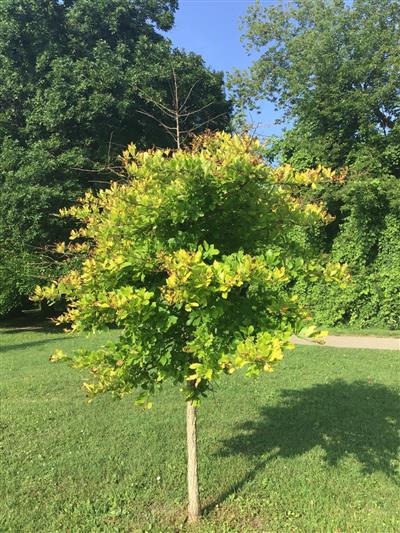 Gardens (FOGs) is a group of volunteer gardeners at Western University. The FOGs plant sale promotes biodiversity through the distribution of native perennials, trees, shrubs, and herbs. Proceeds support student bursaries and community programs, while volunteers share plant care knowledge and ecological stewardship practices. Located near the Biological and Geological Sciences Building, the sale encourages sustainable gardening and habitat restoration. By integrating education, outreach, and hands-on experience, the initiative strengthens campus-wide efforts to protect species and enhance green spaces.
Wildfire Resilience Consortium of Canada
As a Wildfire Resilience Consortium of Canada core partner, Western contributes to wildfire resilience through collaborative research and knowledge exchange. The consortium integrates Indigenous stewardship, adaptive forest management, and technological innovation to address ecological threats. Western’s involvement supports long-term land management strategies and enhances national capacity to mitigate biodiversity loss. By engaging with academic, governmental, and community stakeholders, Western helps shape evidence-based approaches to forest health, species protection, and sustainable ecosystem recovery.
Western Tree Dashboard
The Western University Tree Dashboard maps over 4,000 campus trees, detailing species, location, and ecological value. It supports sustainable land management by tracking carbon sequestration, canopy coverage, and biodiversity metrics. Facilities teams use the tool to guide planting, maintenance, and restoration efforts. The dashboard enhances transparency and public engagement, allowing students and researchers to explore urban forestry data. This digital resource strengthens Western’s commitment to ecological stewardship and informed decision-making for green infrastructure.