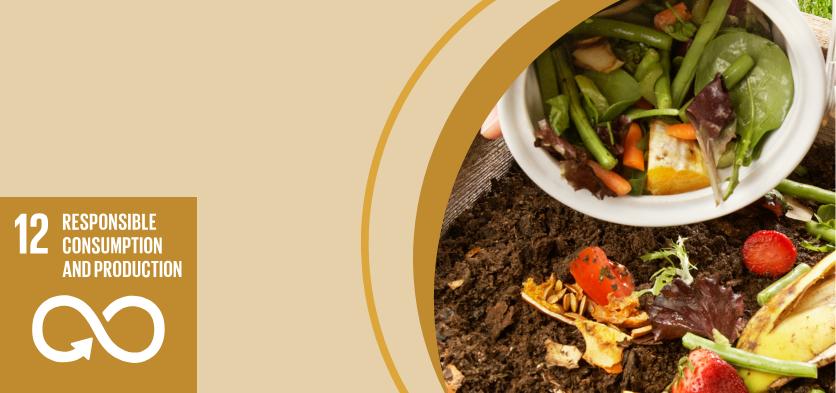
Ensure sustainable consumption and production patterns
Research
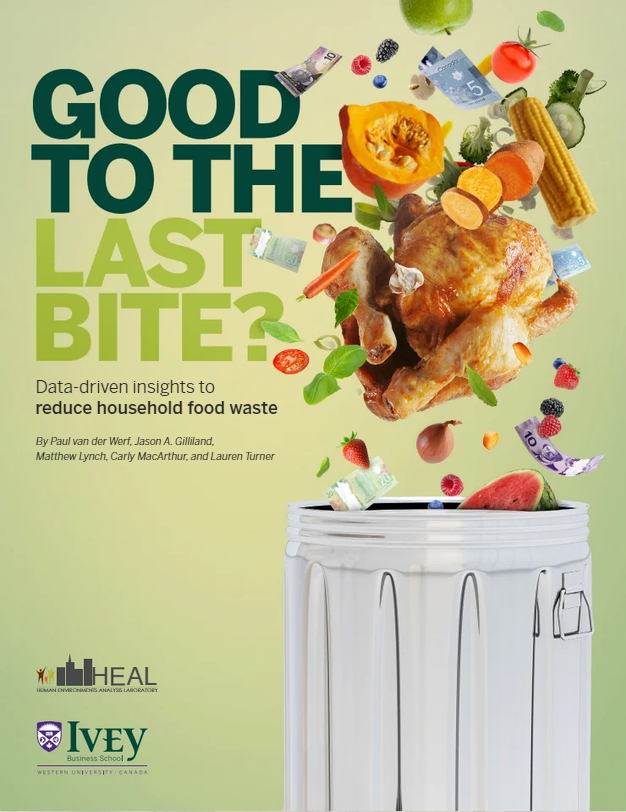
Good to the Last Bite
Western researchers analyzed food waste in over 1,200 households in London, Ontario, uncovering significant amounts of avoidable waste, especially fruits, vegetables, and baked goods. Their findings, available in the Good to the Last Bite? report, highlight the economic and environmental costs of discarded food, including methane emissions and financial losses. The study offers practical insights into consumer behavior and emphasizes the importance of targeted education and data-driven strategies to reduce waste. This research supports more efficient resource use and long-term environmental responsibility.
Unlocking the Potential of Plants
Teaching
Ivey Behavioural Lab
Western’s Ivey Behavioural Research Lab supports evidence-based inquiry into decision-making, consumer psychology, and organizational behavior. By enabling faculty and students to conduct controlled experiments, the lab advances understanding of how individuals and groups respond to complex choices, including those related to consumption and resource use. This research informs strategies that promote ethical, efficient, and sustainable practices in business and society, contributing to more responsible decision-making across sectors. environments.
HBA Sustainability Certificate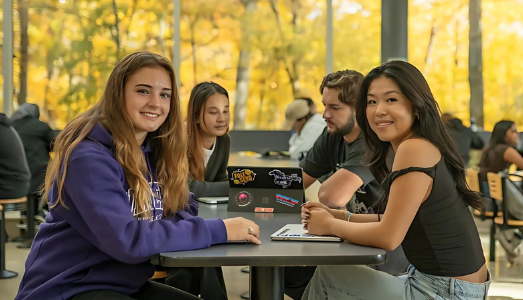
Western’s HBA Sustainability Certificate at Ivey prepares students to address the environmental and social impacts of consumption through business strategy. With a focus on systems thinking, ethical leadership, and regenerative practices, students explore how organizations can reduce waste, improve resource efficiency, and design sustainable products and services. Through experiential learning and real-world case studies, the program equips future leaders to make informed decisions that support responsible production and consumption across industries.
Foods & Nutrition
Western’s undergraduate Foods and Nutrition program equips students to critically examine food systems, nutrition care, and food policy. Courses explore the social, cultural, and economic factors shaping food access and health outcomes. With modules in sustainable food systems and community nutrition, students learn to address real-world challenges through evidence-based approaches. The program emphasizes ethical decision-making and resource-conscious practices, preparing graduates to contribute meaningfully to healthier, more sustainable food

Outreach
The Future of Agri-Food Event Series
Ivey’s Future of Agri-Food Event Series convenes experts from business, policy, and academia to explore challenges and opportunities in Canada’s food system. Topics include regenerative agriculture, food security, and sustainable finance. By engaging executive leaders and the public in dialogue around consumption, production, and equity, the series promotes awareness and action toward more sustainable food systems. It supports informed decision-making and collaborative approaches to reduce waste and improve resource efficiency.
Planting Seeds
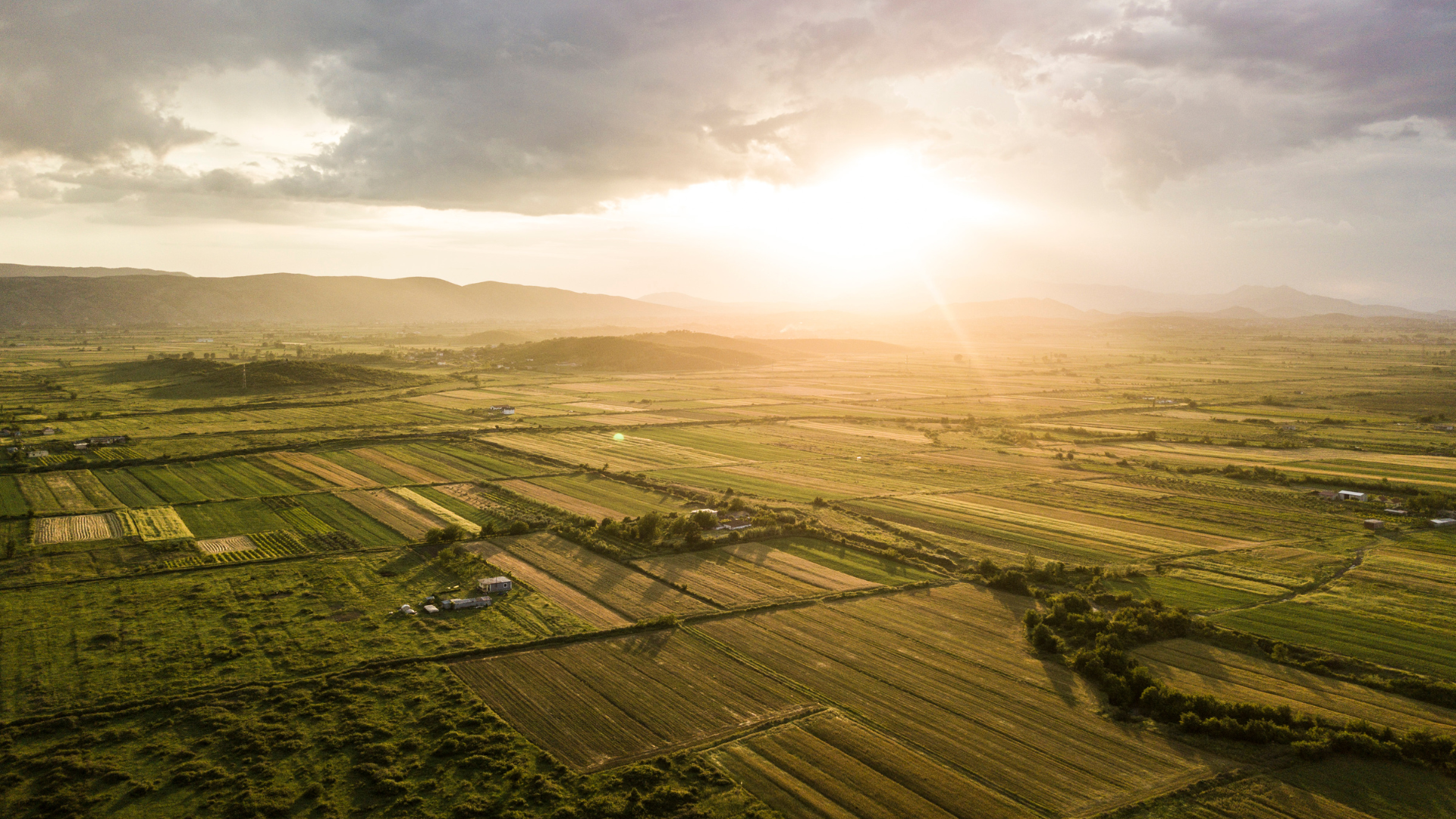
Western’s 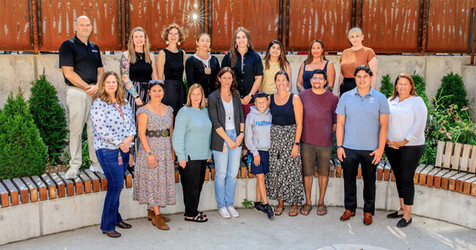 collaboration with SOAHAC on Indigenous food sovereignty outreach emphasizes culturally grounded approaches to food systems. The initiative supports traditional food knowledge, land-based practices, and community-led programming that reconnect people with ancestral skills in growing, hunting, and preparing food. By promoting long-term solutions over short-term aid, the project encourages responsible consumption and sustainable food access. It also builds capacity through education and engagement with Indigenous knowledge keepers and local communities.
 Free Store
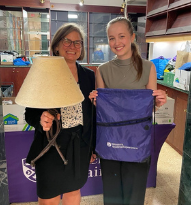
Western’s Free Store initiative encourages circular consumption by allowing students, staff, and faculty to donate and pick up usable items at no cost. By repurposing goods instead of discarding them, the program reduces waste and lowers emissions associated with manufacturing and transport. It also promotes a culture of reuse and resource mindfulness on campus. Volunteer opportunities further engage the community in sustainable practices and support waste diversion efforts.
Operations
Western Community Garden
Western’s Community Garden supports sustainable campus operations by promoting local food production, biodiversity, and hands-on learning. With 38 raised beds for food crops and 21 planters for native species, the garden encourages resource-conscious growing practices. It serves as a collaborative space for students, staff, and faculty, integrating education and ecological stewardship. The garden also supports pollinator health and offers experiential learning through field courses, contributing to a more resilient and sustainable campus food system.
Siebens Drake Retrofit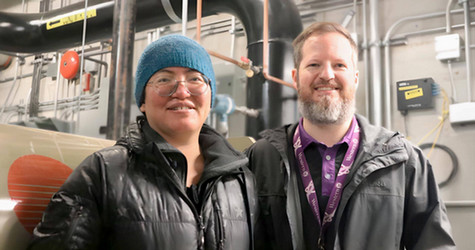

Western’s retrofit of the Siebens Drake Research Institute is part of its Deep Energy Retrofit Program, aimed at reducing emissions and improving energy efficiency across campus operations. By replacing outdated chillers and connecting the building to Western’s energy loop, the project redistributes excess heat and significantly lowers steam and electricity use. These upgrades are expected to cut utility costs by 40% and reduce greenhouse gas emissions, supporting a more resource-efficient and low-carbon campus infrastructure.
Responsible Investing
Western’s investment strategy integrates environmental and social considerations into long-term financial planning. By allocating capital to sustainable funds and tracking carbon intensity across asset classes, the university supports more efficient resource use and reduced emissions. Engagement with investment managers promotes transparency and responsible practices, while scenario analysis informs decisions that align with low-carbon transition goals. These efforts contribute to a financial system that prioritizes sustainability alongside performance and accountability.