Ensure access to affordable, reliable, sustainable and modern energy for all
Research
Wind Engineering
Western University is internationally recognized as the leading university in wind engineering and wind-related research. Western’s strength comes from a strong, interdisciplinary team of more than 20 researchers from several faculties, including Engineering, Science, Social Science and Ivey Business School. Research facilities include the Boundary Layer Wind Tunnel Laboratory and the Wind Engineering, Energy, and Environment (WindEEE) Dome, capable of of simulating high intensity wind systems. Wind engineering is critical for developing and improving wind power technology, a key component required to increase the share of renewable energy and transition away from fossil fuels.
Collaborative Carbon Solutions
Carbon Solutions is an academic and partner collaboration on innovative strategies to reduce GHG emissions. Funded projects include: an integrated solar-powered heat pump and modular storage to offset natural gas usage, scaling up nature-based climate solutions, microalgae-based eco-plastic, development of a farm-size biomass carbonizer for biocarbon production and carbon sequestration, production of renewable jet fuels from waste, carbon sequestration through land conservancies, replacing methanol with compostable plastics as a carbon source for biological nutrient removal from wastewater, high performance batteries for large-scale grid energy storage and electric vehicles, and more.
Teaching
Energy Sector Strategic Leadership Accelerator

The Ivey Business School provides executive education in the electricity sector through the Energy Sector Strategic Leadership Accelerator. This three day program equips senior leaders across the electricity sector to drive electrification, infrastructure investments, and strategic transformation. The program explores the latest advances in clean tech, grid modernization, and energy innovation with visionary energy leaders who lead growth, sustainability, and innovation.
Geography Energy and Power Course
Offered through the Faculty of Science, the Energy and Power course in the Department of Geography investigates the political ecology of energy. Issues of politics and power, social equity, and environmental impact are examined through Canadian and international case studies. The concept of ‘energy justice’ is used both to critically assess current patterns of energy production and use and to explore more sustainable possibilities. Students learn to apply an energy justice framework to critically assess the impacts of different energy sources (e.g. oil, coal, nuclear, wind, solar, hydro, biofuels) and express well-supported arguments about how energy systems could better address social and environmental justice challenges.

Outreach
Canada’s Role in the Future of Nuclear Energy
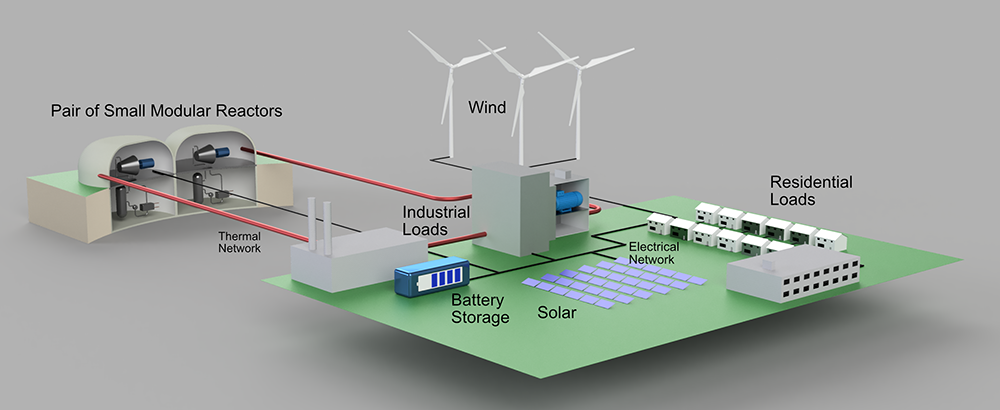
The Ivey Business School’s conference on Canada’s nuclear energy future highlighted the country’s leadership in clean power through advanced safety, waste management, and scalable infrastructure. Ontario’s success in reducing emissions and expanding nuclear capacity showcases practical pathways to sustainable energy. The event underscored how strategic investment and innovation in nuclear technologies can drive resilient, low-carbon energy systems and support international collaboration for a cleaner future.
Electricity Policy and Regulation Breakfast Series
The Ivey Business School Electricity Policy and Regulation Breakfast Series convened experts to explore how Ontario can attract private investments to meet rising electricity demand and support the energy transition. Discussions addressed policy gaps, regulatory uncertainty, and strategies for financing new nuclear, hydro, solar, and storage projects. The event emphasized the importance of stable, forward-looking policies to unlock capital for electrification and infrastructure development. By fostering collaboration across sectors, the conference advanced solutions for building a resilient, low-emission energy future.
Ivey's 8 Annual Electricity Workshop
The Ivey Energy Policy and Management Centre hosted its 8th Annual Workshop on the Economics of Electricity Policy and Markets in October 2024 in Toronto. This event gathered scholars, practitioners, and industry leaders to discuss contemporary issues in electricity policy, regulation, and markets. The annual workshop aims to build a community of experts, expand research networks in Canada, and support academic research contributing to effective electricity policies and market designs. The theme centered on the future of electricity market design in Canada. Panelists explored the impacts of decarbonization policies and technological innovations in provinces such as Alberta, Nova Scotia, and Ontario.

Operations
Electric Boilers
Western University is modernizing its campus energy infrastructure by replacing an aging natural gas boiler with a high-efficiency electric model, supported by $4.75 million in federal funding. The new boiler will supply 40% of the steam used for heating and hot water across nearly 100 buildings, including University Hospital. This operational shift enhances system resilience, reduces maintenance risks, and cuts emissions by over 80% compared to natural gas. The project aligns with Western’s long-term strategy to improve energy efficiency, lower carbon output, and support resilient utility operations as part of its commitment to achieving net-zero emissions by 2050.
Sustainable Workplace Ambassadors Program
Western University’s Sustainable Workplace Ambassadors Program (SWAP) engages staff and faculty in embedding sustainability into everyday workplace practices. Through peer collaboration and practical guidance, participants address energy use, waste reduction, sustainable food choices, and low-impact commuting. The program builds on the Green Office initiative, fostering a culture of environmental responsibility across departments. By encouraging behaviour change and continuous improvement, SWAP strengthens operational sustainability and supports Western’s broader climate goals through grassroots leadership and departmental engagement.