
Search Website
SDG 11 Reports
Make cities and human settlements inclusive, safe, resilient and sustainable
Research
Sustainable Urban Agriculture Living Lab
Western geography and environment professor Geneviève Metson is creating an urban agriculture living lab to study how nutrients move through community garden systems. The research examines how nitrogen and phosphorus can escape from soil into nearby waterways, particularly during storms and seasonal freeze-thaw events. By monitoring garden plots under real-world conditions, the team aims to develop better nutrient-management practices that preserve the social and environmental benefits of urban gardening while reducing ecological risks. The findings could inform the management of gardens and other green spaces in cities facing the effects of climate change.
Poison Books and Cultural Heritage Preservation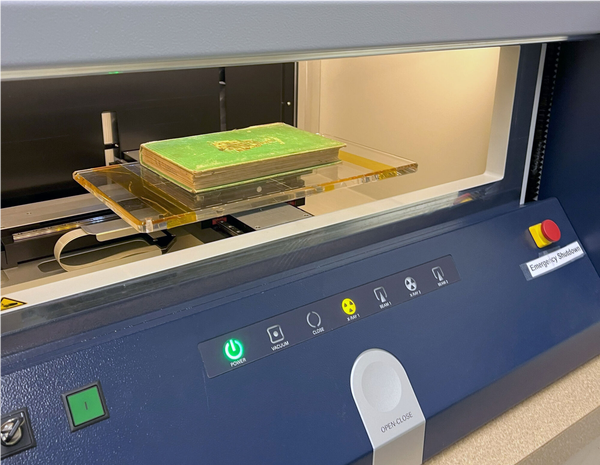
A 2025 undergraduate research project at Western Libraries examined poison books within Western Libraries, identifying historical volumes that may contain toxic pigments in their bindings. The project combined archival research, material culture analysis and scientific testing to understand how these books were produced, circulated and preserved. By identifying 96 potentially toxic books, the research helps protect both public access and the long-term preservation of rare historical materials. This work contributes to the safeguarding of cultural heritage and improves how libraries manage historical collections responsibly.
Explore more SDG 11 Related research
Teaching
Urban Development Program
Western’s Don Wright Faculty of Music offers a Kodály Certification Program that supports music education through singing, movement, listening, reading, writing and creating. The two-week intensive program helps experienced teachers, emerging teachers and graduate students strengthen their musicianship and pedagogical skills for classroom music teaching. Participants study a Kodály-based teaching sequence connected to the Ontario curriculum and explore global folk music and music literature for use in classroom and community teaching. The program supports cultural education by preparing music educators to bring participatory, community-oriented and accessible music learning into schools and other learning environments.
Local Economic Development Coursework
Western’s Master of Public Administration curriculum includes Local Economic Development, a course that examines the theory, practice and politics of contemporary economic development in Canadian municipalities. Students study how local governments respond to economic change and how municipal decisions influence investment, employment and community growth. The course gives students a policy-focused understanding of how cities and regions plan for development while balancing public priorities.
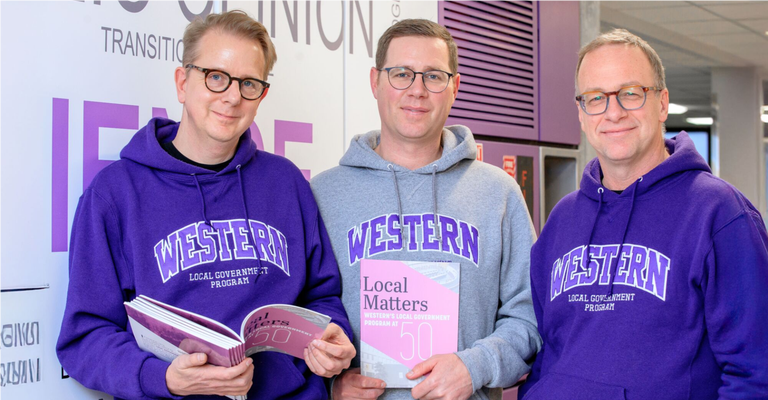
City of London Graduate Diploma in Public Administration
Western’s Online City of London GDPA stream offers specialized public administration training for City of London employees. Delivered through a partnership between Western’s Local Government Program and the City of London, the stream allows municipal staff to study local administration and policy while continuing their professional roles. Courses combine asynchronous learning with weekly live online classes, helping participants connect academic training with the realities of municipal work. The program builds capacity inside local government by strengthening the skills of people already serving the city.
Explore more SDG 11 related courses
Outreach
Smart Cities and Communities Initiative
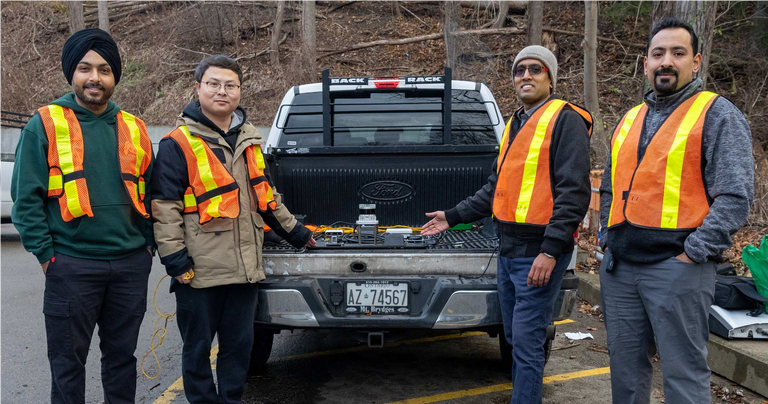
Western’s Smart Cities and Communities initiative connects university research with real urban challenges facing London and other municipalities. Through a symposium and workshop involving researchers, campus stakeholders and City of London participants, the initiative explored how smart-city tools can support infrastructure monitoring, road-condition assessment, air-quality data and more informed urban decision-making. Western’s campus serves as a living lab for the project, while collaboration with municipal partners helps translate academic expertise into practical solutions for more sustainable and resilient communities.
Campus Development Strategy and Open Space Strategy Consultation
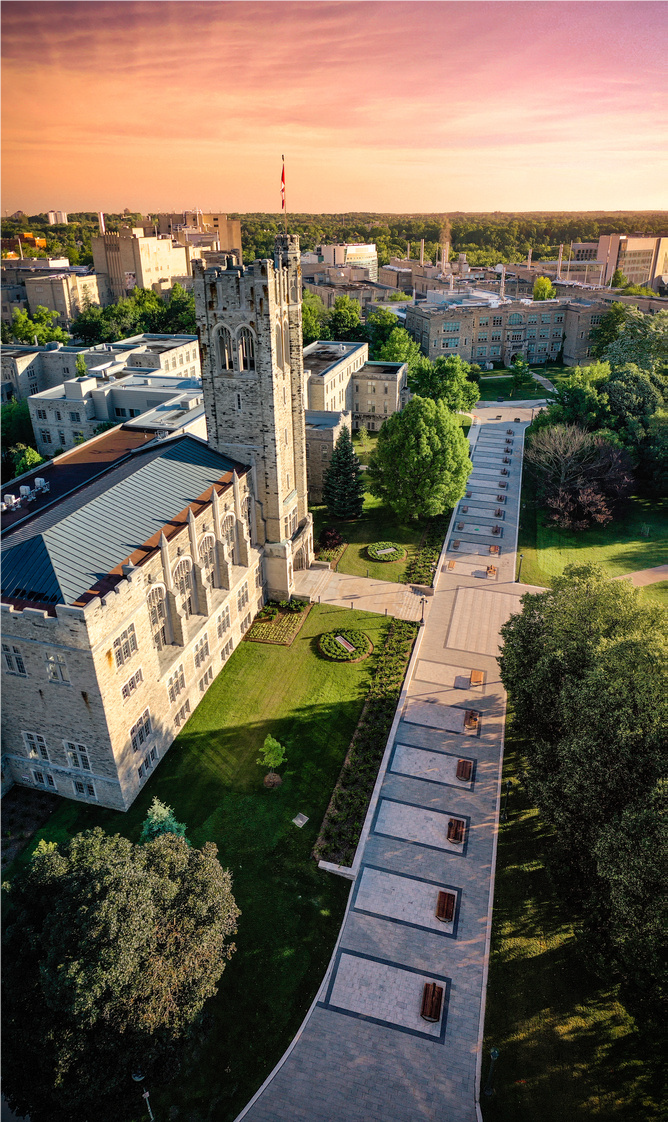
Western’s consultation process for the Campus Development Strategy and Open Space Strategy invited community feedback on the future of campus planning. The draft strategy focuses on sustainability, connectivity, inclusivity and resilience, while the broader consultation process gives students, staff, faculty and community members opportunities to respond to long-term planning priorities. This outreach supports a more people-centred campus environment by encouraging input on shared spaces, movement across campus, open space and future development.
Western Sustainable Impact Fund 2025 Projects
Western’s 2025 Sustainable Impact Fund supported outreach projects that connect campus sustainability with everyday community life. Projects included opening the Western Greenhouse through hands-on workshops, plant sales and outreach events, while helping students and campus partners learn about native seed propagation, plant care and urban biodiversity practices. These activities make sustainability more visible and participatory while strengthening engagement with green spaces on campus.
Operations
Green Buildings and LEED-Certified Campus Infrastructure
Western supports SDG 11 through the development and maintenance of greener campus buildings that reduce environmental impact while improving indoor spaces for students, staff and faculty. The university currently has 14 LEED-certified buildings, with features such as bird-safe windows, native and no-irrigation landscaping, low-flow water fixtures, EV charging stations, green roofs, rooftop solar, high-efficiency lighting and high-performance windows. These building standards help Western create a more sustainable, efficient and resilient campus environment.
Green Spaces and Gardens
Western University’s campus operations emphasize ecological stewardship across its 450+ hectares of diverse landscapes. Through native plantings, invasive species management, and pollinator-friendly gardens, Western protects biodiversity and supports healthy ecosystems. Rain gardens mitigate stormwater runoff, reducing flood risk and improving water quality. Public access and educational tours promote awareness and engagement with these natural spaces. These practices contribute to a resilient, inclusive, and environmentally responsible campus that integrates nature into daily life.
Active Transportation and Cycling Infrastructure
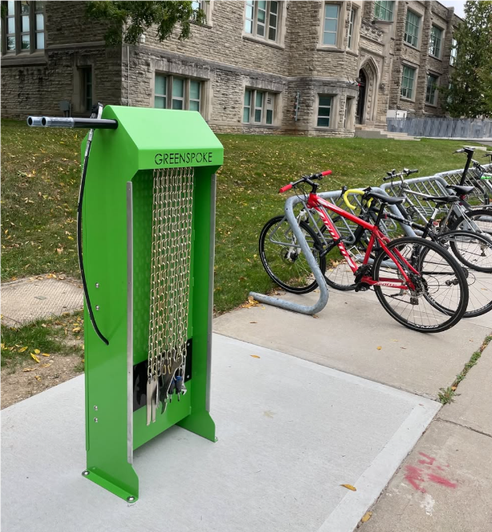
Western supports more sustainable campus mobility by encouraging active transportation such as walking, cycling and skateboarding. The university provides secure cycling infrastructure, including bike shelters and bike lockers, to help reduce barriers to cycling and make it easier for members of the campus community to choose low-carbon transportation. The connection to the Thames Valley Parkway also supports active movement through and around campus.
Make cities and human settlements inclusive, safe, resilient and sustainable
Research
Art & Sustainability
Canadian Neighbourhood Change Explorer
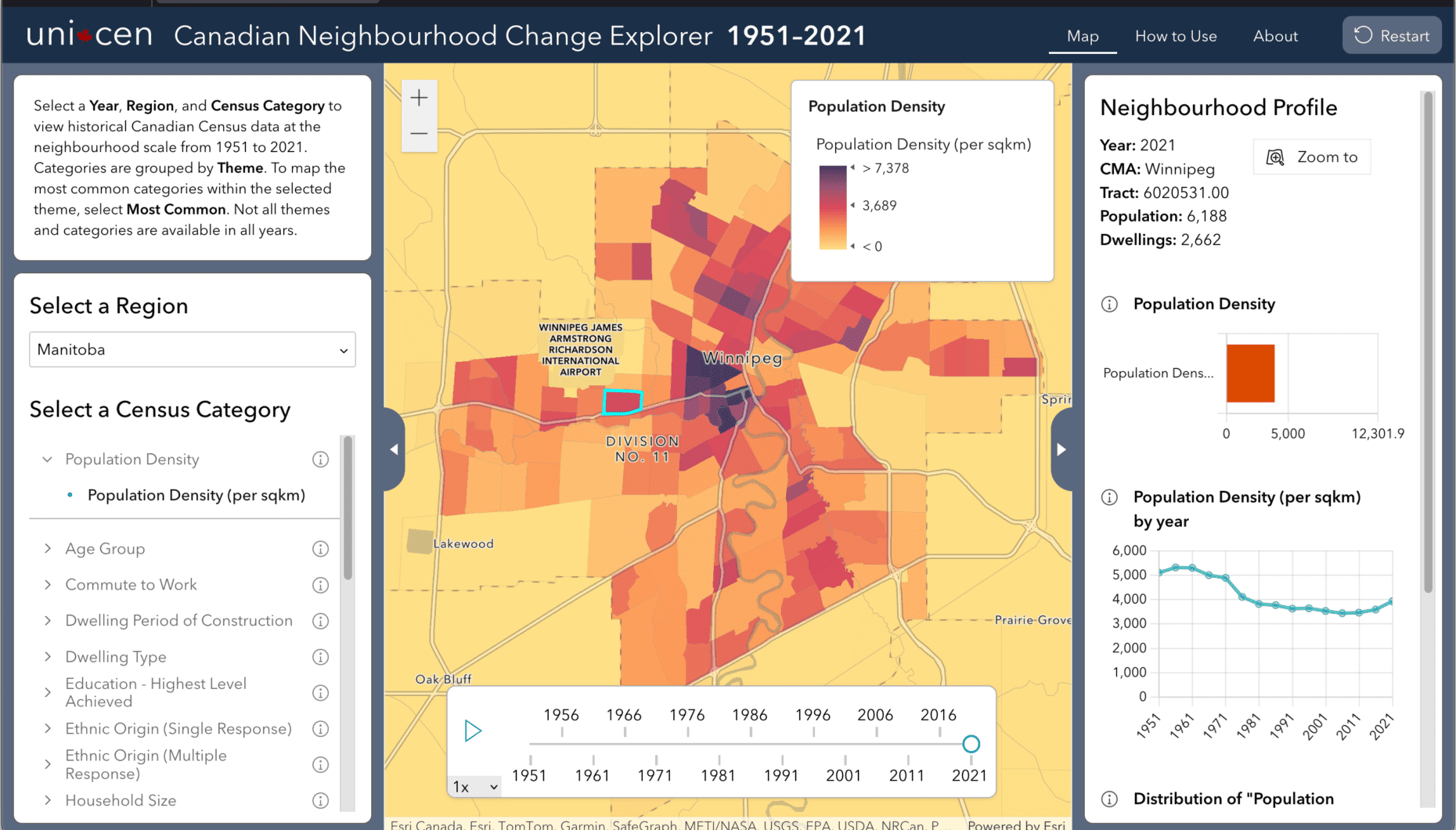
Western’s Neighbourhood Change Explorer transforms decades of census data into a digital platform for analyzing urban trends. Researchers use it to study housing, income, and mobility patterns across Canadian cities. This tool supports evidence-based planning and policy development, helping scholars and decision-makers understand long-term urban change and promote inclusive, sustainable communities.
Teaching
Civil and Environmental Engineering
Western's Civil and Environmental Engineering professional graduate programs integrate urban sustainability into teaching through courses on smart cities, sustainable mobility, and intelligent transportation systems. Students gain practical skills in data-driven planning, infrastructure design, and environmental resilience. This curriculum equips future engineers to address urban challenges and contribute to more inclusive, efficient, and sustainable city development.
Urban Education
The Faculty of Education’s Urban Education specialization equips teacher candidates to address inequities in city schools through critical inquiry and practicum-based research. By examining how social factors shape student engagement and developing action plans for inclusive teaching, candidates contribute to safer, more resilient learning environments. This approach supports the development of equitable urban communities through education that responds to diverse needs and lived experiences.
Urban Development Program
Western’s Urban Development undergraduate program prepares students to analyze and respond to urban growth and change through interdisciplinary study. By combining geographic, economic, and social perspectives with analytical and business skills, students learn to address challenges in land use, housing, and infrastructure. This education supports the creation of inclusive, resilient, and sustainable urban environments through informed decision-making and planning.
Outreach
How Should Cities Adapt to Climate Change?
Western experts like Gordon McBean and James Voogt translate complex climate science into actionable insights for the public, municipalities, and policymakers. Their work informs community-level responses to extreme heat, promotes awareness of urban heat islands, and encourages inclusive planning strategies—engaging citizens in climate adaptation through education, media, and local partnerships.
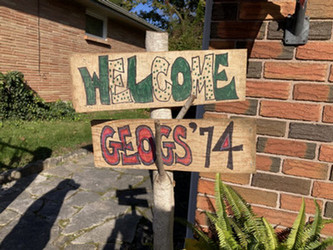 Geography 50-Year Reunion
Western’s Geography 50-Year Reunion brought together alumni and faculty whose careers have shaped urban sustainability through planning, environmental innovation, and public service. The event included a departmental visit and public talk, creating space for dialogue on how geographic knowledge contributes to safer and more inclusive cities. It highlighted long-term impact and inspired future engagement with urban challenges.
Partnership with Vancouver Recital Society

Western’s partnership with the Vancouver Recital Society brings celebrated musicians to campus for free public performances and student masterclasses. These events enrich cultural life in London, Ontario, and make high-quality artistic experiences accessible to a broader community. By connecting global talent with local audiences and students, the initiative strengthens the city’s cultural infrastructure and supports vibrant, inclusive urban living.

Operations
Green Spaces and Gardens
Western University’s campus operations emphasize ecological stewardship across its 450+ hectares of diverse landscapes. Through native plantings, invasive species management, and pollinator-friendly gardens, Western protects biodiversity and supports healthy ecosystems. Rain gardens mitigate stormwater runoff, reducing flood risk and improving water quality. Public access and educational tours promote awareness and engagement with these natural spaces. These practices contribute to a resilient, inclusive, and environmentally responsible campus that integrates nature into daily life and long-term planning.
Safer Roads and Crossings
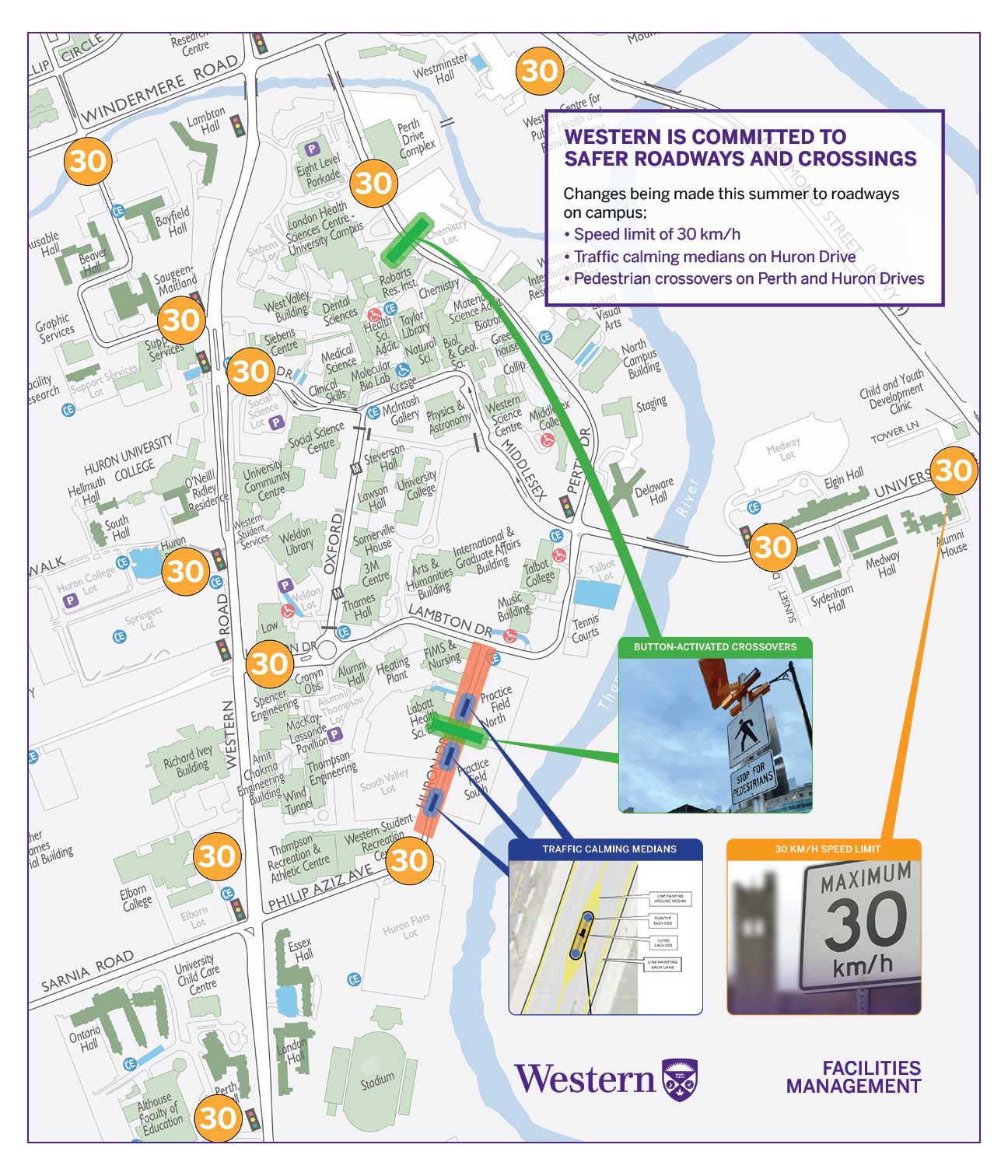
Western’s Safer Roads and Crossings initiative improves campus mobility and safety through traffic calming measures, reduced speed limits, and enhanced pedestrian infrastructure. By installing medians and button-activated crosswalks, the university reduces vehicle speeds and prioritizes pedestrian access. These operational changes support a more inclusive and secure campus environment, contributing to broader efforts to create livable and sustainable urban spaces.
Alert WesternU
Western’s Alert WesternU system enhances campus safety through real-time emergency notifications, preparedness resources, and coordinated response protocols. It helps protect students, staff, and visitors during severe weather, security threats, or other disruptions. By integrating technology and communication across university operations, Alert WesternU contributes to a safer, more resilient campus environment that supports broader efforts to build secure and responsive urban communities.