
Search Website
SDG 12 Reports
Ensure sustainable consumption and production patterns
Research
Regenerative Agriculture and Sustainable Agri-Food Systems
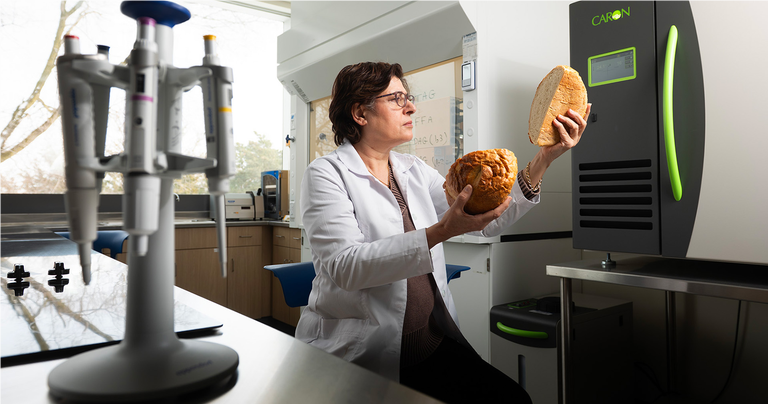
Western researcher Latifeh Ahmadi, from the Brescia School of Food and Nutritional Sciences, studies how acid whey, a by-product of Greek yogurt production, can be reused in sourdough bread. Instead of treating acid whey as waste, the research explores how it can replace part of the water normally used in bread-making while maintaining texture, aroma and crumb structure. The study also found that many taste-test participants preferred the acid whey sourdough, suggesting that food by-products can be turned into desirable products rather than discarded. This research supports food waste reduction and more sustainable production by turning a dairy by-product into a useful ingredient.
Biochar Technology from Western’s ICFAR Research
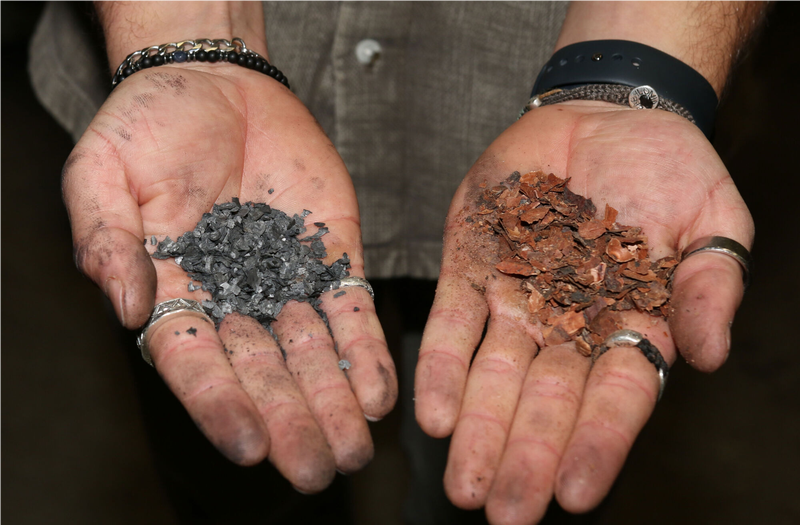
Western research through the Institute for Chemicals and Fuels from Alternative Resources has supported technologies that convert waste, including agricultural byproducts and plastics, into biofuels and alternative chemicals. A Western-linked biochar startup applies this research by turning agricultural residues such as stems, shells, husks and crop waste into biochar, a value-added material that can improve soil health and store carbon.
explore more sdg 12 related research
Teaching
Sustainable and Socially Responsible Operations Management
Ivey’s Winter 2025 doctoral seminar, Sustainable and Socially Responsible Operations Management, teaches students contemporary research in environmentally sustainable and socially responsible operations management. The course includes topics connected to sustainable operations, circular economy, supply chain responsibility and how organizations manage environmental and social impacts through operational decisions. By placing sustainability directly within operations management education, the course helps graduate students examine how production systems can become more responsible and less wasteful.
Sustainable Workplace Ambassadors Program
Western’s Sustainable Workplace Ambassadors Program provides campus-wide sustainability learning for staff and faculty, covering topics such as waste, energy, food and broader sustainability action. Through group learning and engagement, participants are encouraged to apply sustainability practices in their workplaces and communities. The program brings responsible consumption and production education into everyday workplace practices, helping staff connect sustainability principles with daily decisions around purchasing, resource use, waste reduction and office operations.
HBA Sustainability Certificate
Western’s HBA Sustainability Certificate at Ivey prepares students to address the environmental and social impacts of consumption through business strategy. With a focus on systems thinking, ethical leadership, and regenerative practices, students explore how organizations can reduce waste, improve resource efficiency, and design sustainable products and services. Through experiential learning and real-world case studies, the program equips future leaders to make informed decisions that support responsible production and consumption across industries.
explore more SDG 12 related courses
Outreach
ANABADA Circular Market
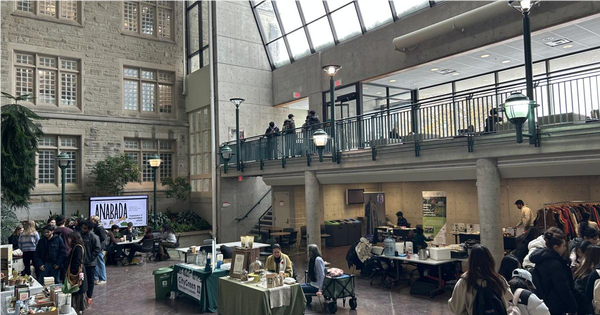
The 2025 ANABADA Circular Market introduced Western students to circular economy principles through a full-day campus event with sustainability-focused vendors, a clothing exchange and a book swap. The event drew broad student participation and created meaningful interactions between students and local circular-economy businesses. By combining peer learning, reuse-based activities and engagement with local vendors, the event helped students understand circular consumption in a practical, everyday setting.
Western Environment and Sustainability Network Sustainability Fair

The Western Environment and Sustainability Network holds an annual Sustainability Fair each October to raise awareness and help more students get involved in sustainability across campus. The fair brings together student-facing sustainability groups and provides an accessible space for students from main campus, affiliates, undergraduate programs and graduate programs to learn about sustainability opportunities.
Free Store
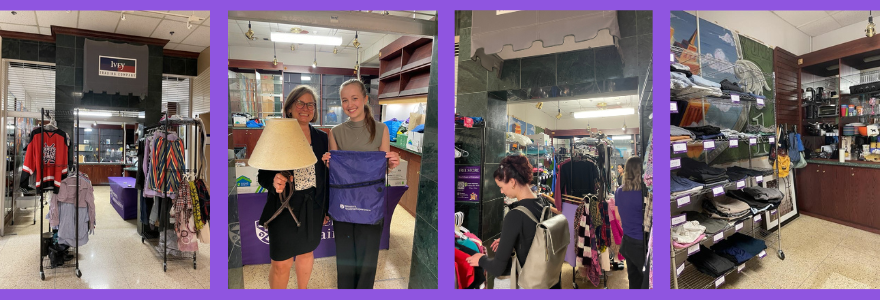
Western’s Free Store initiative encourages circular consumption by allowing students, staff, and faculty to donate and pick up usable items at no cost. By repurposing goods instead of discarding them, the program reduces waste and lowers emissions associated with manufacturing and transport. It also promotes a culture of reuse and resource mindfulness on campus. Volunteer opportunities further engage the community in sustainable practices and support waste diversion efforts.
Operations
Waste Reduction and Diversion System
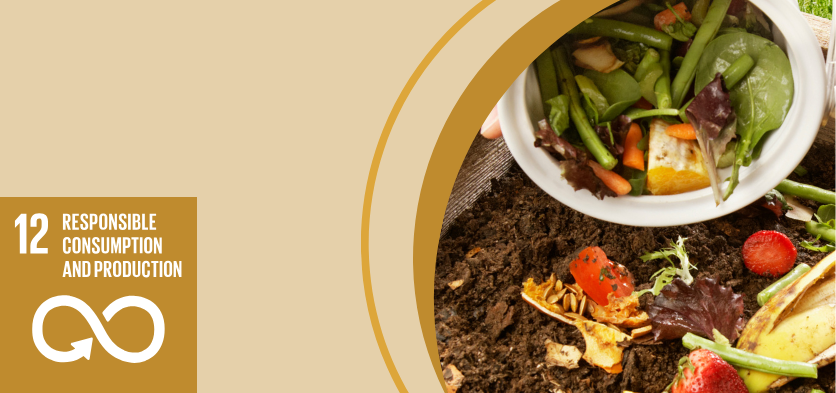
Western manages campus waste through separated waste streams, including containers, paper, organics and landfill. The university provides sorting guidance to reduce contamination and improve diversion, while campus waste and recycling are processed locally within a 5 km radius of the City of London. Organic waste is sent to a local facility where it can be converted into renewable natural gas, fertilizer and compost, supporting more responsible material management across campus.
Sustainable Dining and Responsible Sourcing
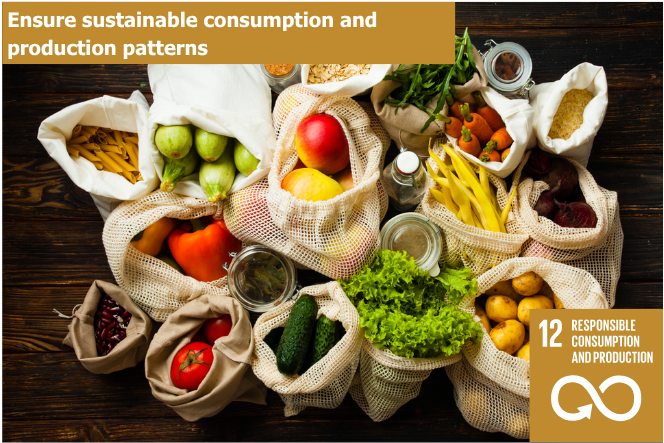
Hospitality Services at Western supports responsible consumption through sustainable dining, responsible sourcing and waste recovery practices. Its sustainability work focuses on mindful food choices, collaborative campus initiatives and procurement practices that consider social, environmental and ethical impacts. Western also reports that 38% of its food and beverage purchases are plant-based or sustainably sourced, showing how dining operations can influence more responsible food systems. By connecting food purchasing, menu planning and waste recovery, Western reduces the environmental impact of everyday campus dining while encouraging more sustainable consumption across the university community.
Sustainable Procurement Program
Western supports responsible consumption through its Sustainable Procurement Program, which embeds environmental, social and ethical considerations into purchasing decisions. The program includes sustainable product fact sheets for areas such as office products, laboratory consumables, IT, furniture and cleaning supplies, as well as training sessions that help staff make more sustainable purchasing choices. Western’s program was also recognized with the 2025 Sustainable Purchasing Leadership Council Leadership Award for Overall Program.
Ensure sustainable consumption and production patterns
Research
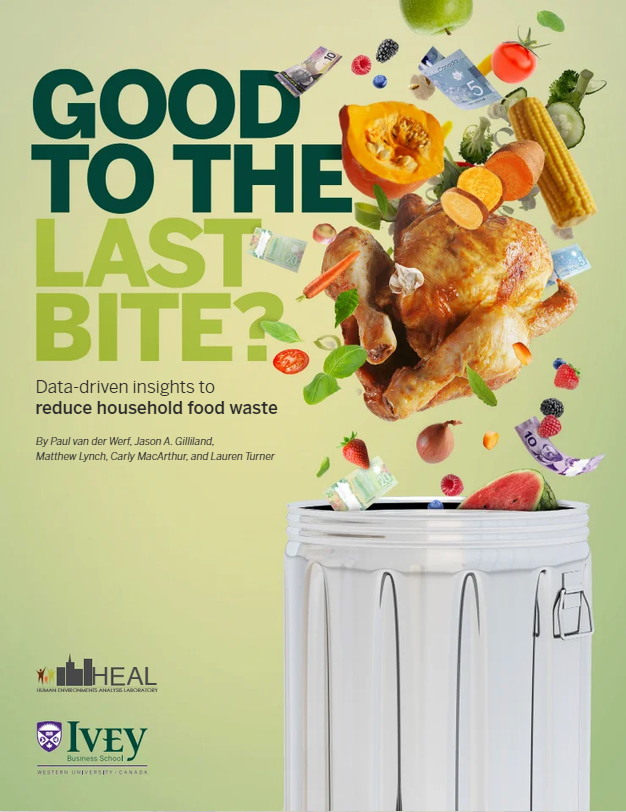
Good to the Last Bite
Western researchers analyzed food waste in over 1,200 households in London, Ontario, uncovering significant amounts of avoidable waste, especially fruits, vegetables, and baked goods. Their findings, available in the Good to the Last Bite? report, highlight the economic and environmental costs of discarded food, including methane emissions and financial losses. The study offers practical insights into consumer behavior and emphasizes the importance of targeted education and data-driven strategies to reduce waste. This research supports more efficient resource use and long-term environmental responsibility.
Unlocking the Potential of Plants
Teaching
Ivey Behavioural Lab
Western’s Ivey Behavioural Research Lab supports evidence-based inquiry into decision-making, consumer psychology, and organizational behavior. By enabling faculty and students to conduct controlled experiments, the lab advances understanding of how individuals and groups respond to complex choices, including those related to consumption and resource use. This research informs strategies that promote ethical, efficient, and sustainable practices in business and society, contributing to more responsible decision-making across sectors. environments.
HBA Sustainability Certificate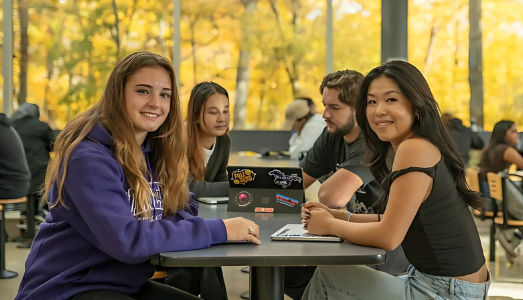
Western’s HBA Sustainability Certificate at Ivey prepares students to address the environmental and social impacts of consumption through business strategy. With a focus on systems thinking, ethical leadership, and regenerative practices, students explore how organizations can reduce waste, improve resource efficiency, and design sustainable products and services. Through experiential learning and real-world case studies, the program equips future leaders to make informed decisions that support responsible production and consumption across industries.
Foods & Nutrition
Western’s undergraduate Foods and Nutrition program equips students to critically examine food systems, nutrition care, and food policy. Courses explore the social, cultural, and economic factors shaping food access and health outcomes. With modules in sustainable food systems and community nutrition, students learn to address real-world challenges through evidence-based approaches. The program emphasizes ethical decision-making and resource-conscious practices, preparing graduates to contribute meaningfully to healthier, more sustainable food

Outreach
The Future of Agri-Food Event Series
Ivey’s Future of Agri-Food Event Series convenes experts from business, policy, and academia to explore challenges and opportunities in Canada’s food system. Topics include regenerative agriculture, food security, and sustainable finance. By engaging executive leaders and the public in dialogue around consumption, production, and equity, the series promotes awareness and action toward more sustainable food systems. It supports informed decision-making and collaborative approaches to reduce waste and improve resource efficiency.

Planting Seeds
Western’s 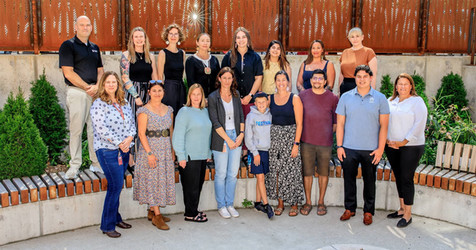 collaboration with SOAHAC on Indigenous food sovereignty outreach emphasizes culturally grounded approaches to food systems. The initiative supports traditional food knowledge, land-based practices, and community-led programming that reconnect people with ancestral skills in growing, hunting, and preparing food. By promoting long-term solutions over short-term aid, the project encourages responsible consumption and sustainable food access. It also builds capacity through education and engagement with Indigenous knowledge keepers and local communities.
 Free Store
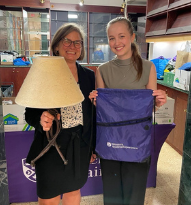
Western’s Free Store initiative encourages circular consumption by allowing students, staff, and faculty to donate and pick up usable items at no cost. By repurposing goods instead of discarding them, the program reduces waste and lowers emissions associated with manufacturing and transport. It also promotes a culture of reuse and resource mindfulness on campus. Volunteer opportunities further engage the community in sustainable practices and support waste diversion efforts.
Operations
Western Community Garden
Western’s Community Garden supports sustainable campus operations by promoting local food production, biodiversity, and hands-on learning. With 38 raised beds for food crops and 21 planters for native species, the garden encourages resource-conscious growing practices. It serves as a collaborative space for students, staff, and faculty, integrating education and ecological stewardship. The garden also supports pollinator health and offers experiential learning through field courses, contributing to a more resilient and sustainable campus food system.
Siebens Drake Retrofit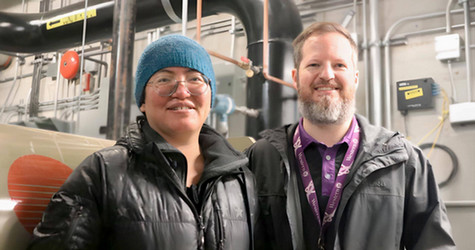

Western’s retrofit of the Siebens Drake Research Institute is part of its Deep Energy Retrofit Program, aimed at reducing emissions and improving energy efficiency across campus operations. By replacing outdated chillers and connecting the building to Western’s energy loop, the project redistributes excess heat and significantly lowers steam and electricity use. These upgrades are expected to cut utility costs by 40% and reduce greenhouse gas emissions, supporting a more resource-efficient and low-carbon campus infrastructure.
Responsible Investing
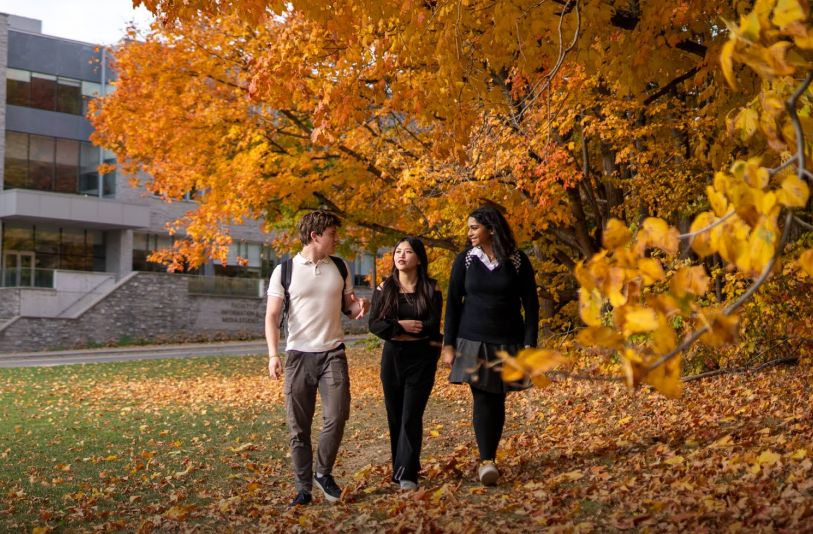
Western’s investment strategy integrates environmental and social considerations into long-term financial planning. By allocating capital to sustainable funds and tracking carbon intensity across asset classes, the university supports more efficient resource use and reduced emissions. Engagement with investment managers promotes transparency and responsible practices, while scenario analysis informs decisions that align with low-carbon transition goals. These efforts contribute to a financial system that prioritizes sustainability alongside performance and accountability.