
Search Website
SDG 14 Reports
Conserve and sustainably use the oceans, seas and marine resources for sustainable development
Research
WesternWater Centre Sustainable Water Research
WesternWater Centre advances research on sustainable water management, treatment technologies and environmental protection. In 2025, Western highlighted research on biodegradable super-adsorbent foam made from kraft lignin, a pulp and paper industry byproduct, which can remove contaminants from effluents and capture phosphorus for recovery. By developing technologies that treat polluted water and recover valuable nutrients, this research helps reduce pollution entering aquatic environments and supports more sustainable management of water resources.
Surface Science Western Microplastics Research
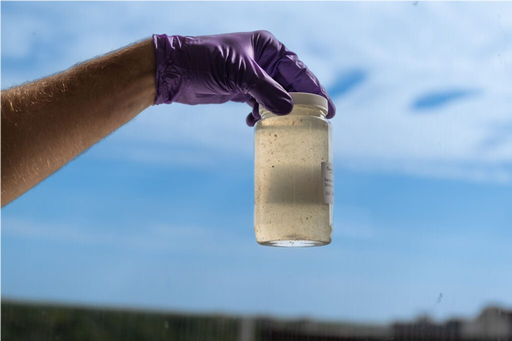
Surface Science Western supports research on microplastics as a major threat to aquatic and marine environments. Its work includes analyzing plastics and fibres found on shorelines, in wastewater and in the digestive tracts of fish and other aquatic species. By identifying and characterizing these pollutants, the research helps improve understanding of how microplastics move through water systems and affect aquatic life. This supports efforts to reduce land-based pollution before it enters rivers, lakes and marine environments.
Explore more SDG 14 related research
Teaching
Aquatic Ecology
Western’s Aquatic Ecology course examines water as a habitat for life and introduces students to the ecology of freshwater and marine environments. The course covers aquatic ecosystems, biogeochemical cycles, climate change, eutrophication, invasive species and other pressures affecting water-based life. Through this course, students learn how aquatic organisms and ecosystems respond to environmental change and human impacts.
Environmental and Water Resources Courses
Western Engineering offers Environmental and Water Resources courses that train students in water systems, water infrastructure and environmental management. Courses in this area include topics such as digital water infrastructure, watershed modelling, groundwater flow, contaminant transport and environmental impact assessment for water resources projects. This teaching prepares students to understand and manage water systems that affect aquatic environments.
Environmental and Water Resources Courses
Western participates in the Ontario Universities Program in Field Biology, which offers students academic-credit field courses in diverse natural environments across Canada and internationally. These intensive field experiences provide hands-on training in ecological field methods, environmental monitoring and ecosystem assessment, allowing students to apply classroom knowledge to real-world environmental challenges. This experiential learning strengthens students' understanding of aquatic and terrestrial ecosystems while developing practical skills in conservation and environmental science.
Explore more SDG 14 related courses
Outreach
From Field Data to AI Models: Water Quality Modeling Workshop
Western hosted a hands-on workshop on water quality modelling, showing participants how field data and AI tools can be used to predict and map total phosphorus and dissolved oxygen levels in reservoirs in the Upper Thames River Conservation Area. These indicators are closely connected to aquatic ecosystem health, since phosphorus can contribute to algal growth and dissolved oxygen affects the survival of fish and other aquatic organisms. The workshop helped participants understand how data-driven tools can support water-quality monitoring and more informed freshwater management.
Life Below Water: A Virtual Dive Into Our Oceans
Western’s Centre for Research on Health Equity and Social Inclusion hosted Life Below Water: A Virtual Dive Into Our Oceans as a free public event during SDG Week Canada. The session offered a virtual exploration of ocean environments through imagery, expert insights and discussion of marine conservation and sustainable ocean management. The event raised public awareness of marine ecosystems and encouraged greater understanding of ocean conservation.
Western Centre for Animals on the Move
Western’s Centre for Animals on the Move supports outreach through seminars, workshops and collaborative forums focused on animal movement and conservation. Its Movement Mondays series includes formal invited seminars by internationally renowned scholars and informal research/technique-oriented talks where participants discuss new ideas, methods and collaborations. The centre’s work is focused on Chinook salmon, other fish, birds, insects and mammals, strengthening awareness of aquatic species, migration patterns and biodiversity protection.
Operations
Sustainable Seafood Sourcing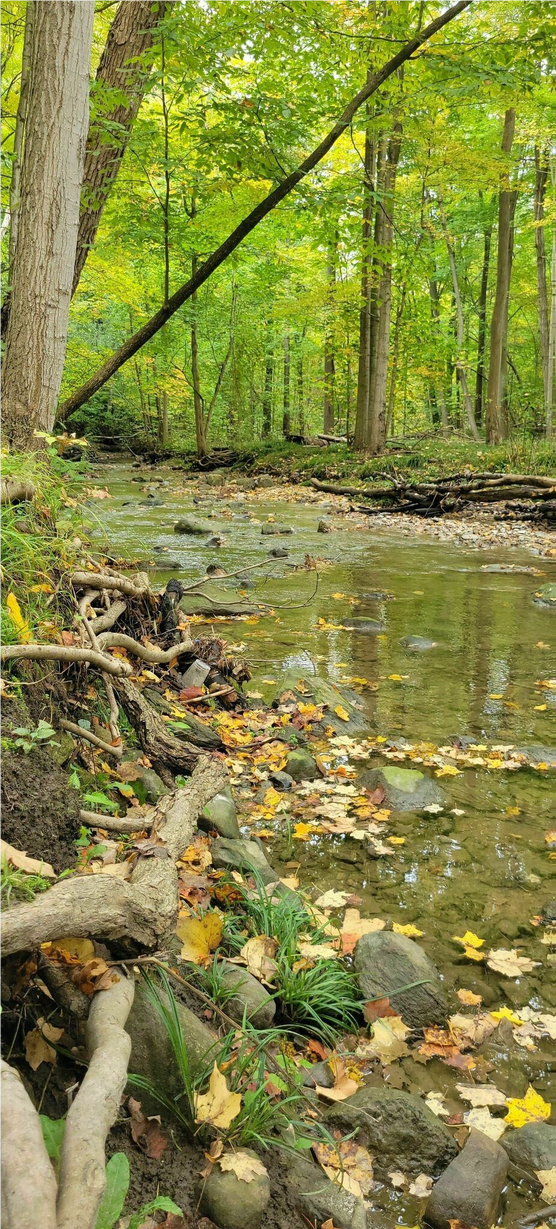
Hospitality Services at Western supports aquatic ecosystem protection through responsible seafood sourcing. Western prioritizes seafood certified by organizations such as the Marine Stewardship Council and Aquaculture Stewardship Council, and participates in the Ocean Wise Seafood Program to support ocean-friendly seafood choices. These purchasing practices help ensure that seafood served on campus is connected to more sustainable fisheries and healthier aquatic ecosystems.
Watershed and Medway Creek Protection
Western’s campus is located within the upper Thames River watershed, with both the Thames River and Medway Creek connected to campus land management. Western contributes to watershed protection through collaboration with the Upper Thames River Conservation Authority, including live staking along Medway Creek to stabilize stream banks, reduce erosion and improve aquatic habitat. The university also works through flood response planning to reduce risks of hazardous material leaks into the watershed during extreme weather events.
Conserve and sustainably use the oceans, seas and marine resources for sustainable development
Research
Migratory Fish in Medway Creek
Migratory Fish in Medway Creek is a project supported by the Western Sustainable Impact Fund. Researchers examined how freshwater fish species respond to climate-driven changes in temperature and habitat. Using long-term data and predictive modeling, the project identified shifts in species distribution and ecosystem dynamics. This research informs conservation strategies and resource management practices that help maintain biodiversity and ecological balance in freshwater systems connected to larger aquatic environments.

Motus on the Move
Motus on the Move, in the Centre for Animals on the Move, advances ecological research by tracking bird and fish migration across aquatic and coastal regions using radio telemetry. This data reveals how environmental changes affect species that depend on healthy water systems. By identifying key habitats and migration corridors, the project supports evidence-based conservation strategies that protect biodiversity and sustain the ecological integrity of freshwater and marine environments.
Chile Study Trip
During their International Study Trip to Chile, Ivey Accelerated MBA participants explored real-world sustainability challenges in marine and coastal industries. By engaging directly with local businesses and ecosystems, students applied classroom concepts to complex environmental contexts. This immersive experience deepened their understanding of sustainable resource use and equipped them with practical insights into managing the environmental impacts of global supply chains.
Environmental and Water Resources Courses
Graduate courses in Environmental and Water Resources Engineering at Western integrate real-world aquatic challenges into the curriculum. Students gain hands-on experience in hydrology, water quality, and ecosystem modeling—developing technical skills to address environmental issues affecting freshwater and marine systems. This applied learning approach equips future engineers to design sustainable solutions that protect and restore aquatic environments.
Land Healing and Responsibility
The field course Land Healing and Responsibility: Community Based Research in Indigenous Studies integrates Indigenous knowledge systems with environmental issues, including water and land  stewardship. Through readings, discussions, and experiential learning, students explore relationships between Indigenous worldviews and ecological sustainability. This course deepens understanding of environmental ethics and governance, equipping students with diverse perspectives to address contemporary challenges affecting aquatic and terrestrial ecosystems.
Outreach
100% Great Lake Fish: Ontario Supply Chain Analysis
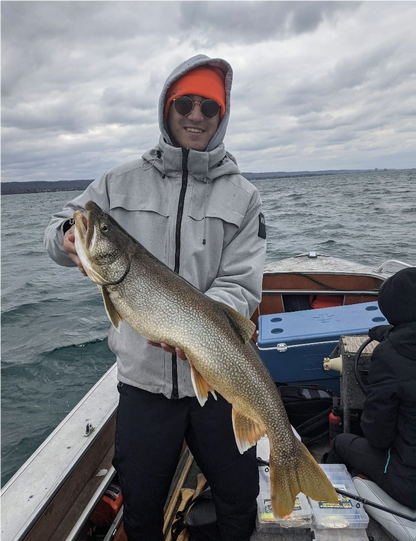
The 100% Great Lake Fish: Ontario Supply Chain Analysis project, 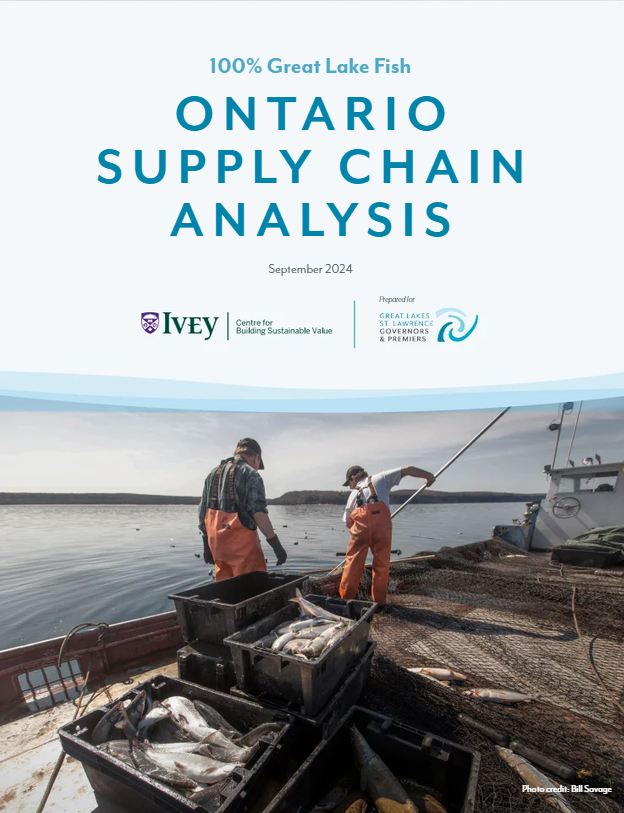 part of Ivey’s Circular Economy Lab, engages industry and community partners to explore how to use more of each fish harvested from the Great Lakes. Through applied research and collaboration, it promotes sustainable practices, reduces waste, and supports healthier aquatic ecosystems—translating academic insights into real-world improvements across Ontario’s fisheries and food systems.
Water Management under Changing Climate Workshop
The Water Management Under Changing Climate Workshop, led by Dr. Slobodan Simonovic, brought together students, researchers, and professionals to explore system dynamics modeling for managing water-related risks. Participants used real-world data to simulate flood and drought scenarios, gaining practical skills in sustainable water resource planning. By linking academic research with applied solutions, the event contributed to efforts aimed at conserving freshwater systems and promoting the responsible, long-term use of aquatic environments in the face of climate and environmental change.
Marine Makeover
Marine Makeover raises awareness about microplastic and microfibre pollution in aquatic environments. Through storytelling, expert commentary, and public engagement, it connects scientific research with everyday choices. By translating complex environmental issues into accessible narratives, the initiative encourages sustainable behaviour and empowers individuals to take action in protecting freshwater and marine ecosystems.
Operations
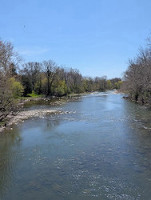 Medway Creek Rehabilitation Photos
The Medway Creek photo monitoring project, coordinated through Western, engages the campus and local community in tracking ecological restoration using seasonal imagery. This citizen science initiative builds a visual record of habitat changes, contributing to research and public understanding of freshwater health. By integrating community participation with academic goals, it strengthens long-term stewardship of aquatic environments through accessible, on-the-ground environmental observation.
Reduced Campus Water Use Intensity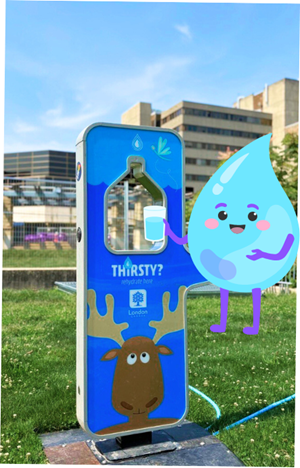
In the Results of Energy Conservation and Demand Management Plan 2019-2024, Western reduced water intensity by 13.9% and campus water use by 8.8% from 2018 levels. Measures included optimizing chiller plants to reduce electricity use and installing electric heat pumps to share low-temperature water across buildings. A closed-loop ground source heat pump system was introduced for efficient heating and cooling. Updated design guidelines ensure new buildings are net-zero ready and evaluated for renewable energy integration, supporting sustainable aquatic resource management through reduced water and energy consumption.