
Search Website
SDG 15 Reports
Protect, restore and promote sustainable use of terrestrial ecosystems, sustainably manage forests, combat desertification, and halt and reverse land degradation and halt biodiversity loss
Research
Biodiversity Inventory
Western’s Biodiversity Inventory catelogues the species present across campus grounds and affiliate campuses, using community science observations to support future conservation and environmental research. A 2025 project expanded this work through wildlife surveys, nature walks and improved observation methods for fast-moving species such as birds. The inventory has already identified more than 1,100 unique species on campus, creating a stronger evidence base for understanding and protecting local biodiversity.
Honeybee Foraging Dynamics and Hive Activity Research
Western’s 2025 honeybee research project studies pollen use, hive activity and honeybee health through smart-hive monitoring. The project aims to classify and measure pollen used by honeybee hives at Western, develop an internet-of-things sensor system to monitor hive conditions, and examine changes in gut microbiomes related to resource use and behaviour. This research strengthens understanding of pollinator health and the ecological relationships that support terrestrial ecosystems.
Explore more SDG 15 related research
Teaching
Conservation Biology
Western’s Conservation Biology course introduces students to the science, policy and implementation of biodiversity conservation. The course examines the scientific knowledge needed to conserve biodiversity, the political systems that shape conservation decisions and pathways for implementing conservation programs. Students learn to connect biodiversity science with practical conservation planning, species protection and habitat management.
Field Course in Land Healing and Responsibility
Western’s Field Course in Land Healing and Responsibility offers students an Indigenous-led, land-based approach to environmental stewardship. Co-instructed by Clint Jacobs and Desmond Moser, the field course introduces students to reciprocity, restoration, invasive species remediation, land stewardship and responsibilities to land and water. Students take part in weekly field sessions and a Bkejwanong day trip, engaging in activities such as habitat observation, mapping, native and endangered plant restoration, species identification, pollinator planting and water monitoring. The course connects environmental science education with Indigenous knowledge, place-based learning and active care for land-based ecosystems.
Bird Migration Monitoring Station
Western’s bird migration monitoring station at Environmental Sciences Western gives students and staff hands-on training in bird handling, monitoring and biodiversity conservation. The project operates as part of Western’s migratory bird research while also supporting education and community learning. Students learn practical conservation skills through direct participation in species monitoring rather than only through lectures.

Explore more sdg 15 related courses
Outreach
Animal Ethics and Sustainability Leadership
Huron’s Animal Ethics and Sustainability Leadership program connects animal and environmental knowledge with community engagement, advocacy and leadership development. The program allows students to engage in community work, attend events and build connections in animal protection, advocacy and related sustainability fields. Its outreach helps extend conversations about animal protection, ecological responsibility and humane relationships with land-based species.
Sherwood Fox Arboretum and Tree Dashboard
Western’s Sherwood Fox Arboretum supports public education by showcasing the biodiversity of trees and shrubs that can grow in the region’s temperate climate. Located within Canada’s highly biodiverse Carolinian Zone, the arboretum includes labelled trees for identification and offers an interactive Tree Dashboard that allows users to explore native, donated and commemorative trees across campus. This creates an accessible way for students, visitors and community members to learn about plant biodiversity, tree identification and the ecological value of campus green spaces.
Pollinator Week 2025
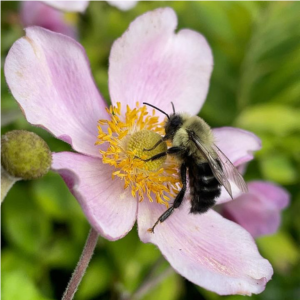
Western’s Pollinator Week 2025 invited the campus community to learn about pollinator health through educational events, hands-on activities and community engagement. The week included a pollinator photo contest, a campus scavenger hunt, a free native plant giveaway and a bee bath building workshop. These activities encouraged participants to recognize pollinators, explore campus habitats and take practical steps to support biodiversity in their own outdoor spaces.
Operations
Pollinator Garden
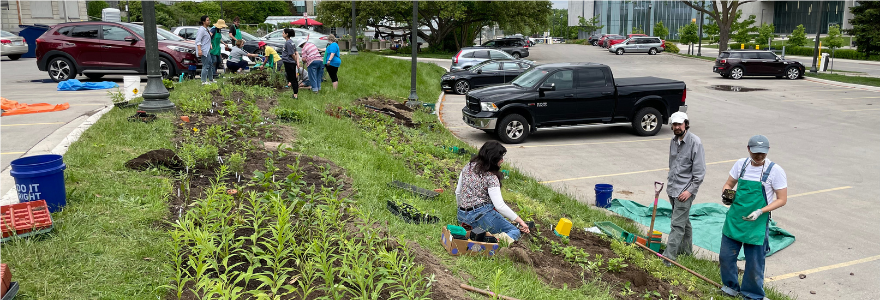
The Friends of the Garden Pollinator Garden supports biodiversity through a dedicated campus garden designed to improve pollinator habitat. Friends of the Garden volunteers grow many of the plants from seed in Western greenhouses and source others from local native plant nurseries, with most species selected from the Carolinian Life Zone. The garden expanded after its first season and now provides habitats for a wider range of pollinators, including native bee species, flies, butterflies, wasps, beetles, bats and hummingbirds.
Ecological Landscaping and Invasive Species Management
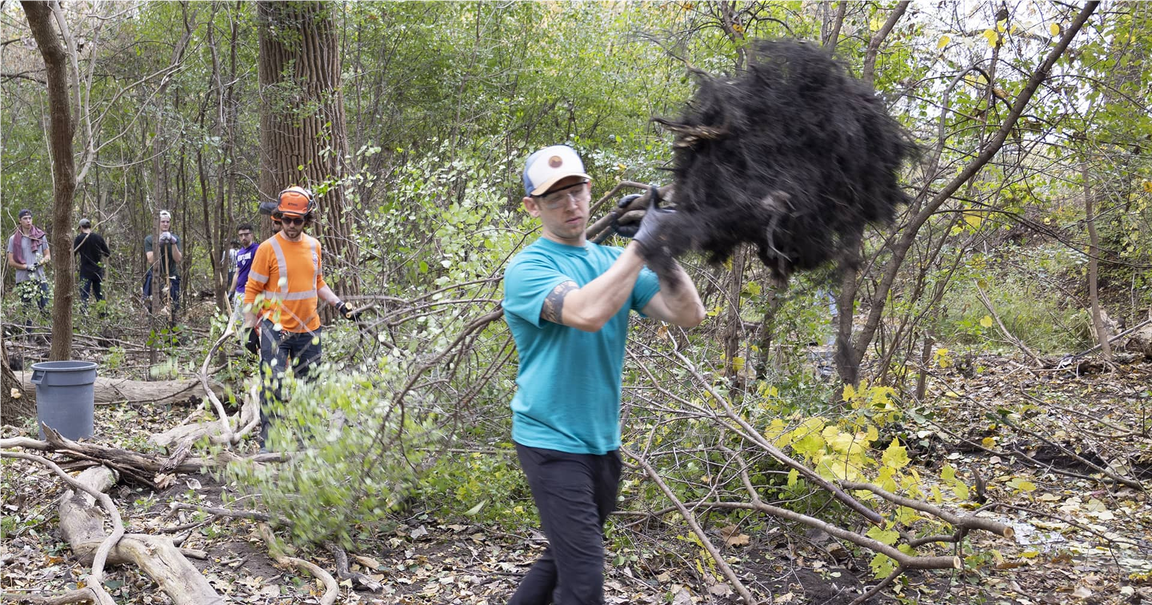
Western manages more than 450 hectares of land, including old-growth Carolinian forest, the Medway Valley Heritage Forest, gardens and open spaces. Landscape Services uses ecologically beneficial planting practices, prioritizing native plants and selecting species suited to specific locations. Western also targets the removal of invasive species across campus, including common buckthorn, non-native honeysuckle and other invasive plants in forested areas and along riverbank zones. These operations help protect native vegetation, reduce ecological pressure on campus habitats and support healthier land-based ecosystems.
Protect, restore and promote sustainable use of terrestrial ecosystems, sustainably manage forests, combat desertification, and halt and reverse land degradation and halt biodiversity loss
Research
Advanced Facility for Avian Research
The Advanced Facility for Avian Research investigates how birds respond to environmental stressors like habitat disturbance, climate change, and disease. Research spans reproduction, migration, and wintering, revealing how ecological pressures impact physiology and behaviour. Birds serve as indicators of ecosystem health, with studies on flight energetics, immune function, and vocal learning contributing to conservation biology. Field and lab work inform strategies for biodiversity protection, emphasizing the role of avian species in maintaining ecological balance and understanding global environmental change.

The Western Skylark
The Skylark CubeSat enhances wildlife tracking by collecting space-based data on migratory songbirds, waterbirds, and shorebirds. By extending the Motus telemetry network, Skylark enables precise monitoring of animal movements, contributing to conservation science. The mission supports ecological research through real-time data collection and student-led innovation in satellite technology. Skylark’s outreach initiatives  engage communities and students in understanding biodiversity and environmental change, while its technical design demonstrates scalable, efficient tools for tracking species across vast and remote landscapes.
Teaching
Biodiversity and Conservation
Western’s Major in Ecosystem Health equips students to analyze ecological systems and human impacts on biodiversity. Through interdisciplinary coursework in biology, environmental science, and field research, students explore ecosystem dynamics, conservation strategies, and restoration practices. The program emphasizes scientific inquiry and applied learning, preparing graduates to address environmental challenges and contribute to sustainable land and species management.
Animal Behaviour
Western’s BSc. in Animal Behaviour integrates biology and psychology to explore ecological and evolutionary influences on behaviour. Students examine communication, foraging, and social organization through fieldwork and lab research. Courses emphasize critical thinking and data analysis, preparing graduates to address biodiversity challenges and contribute to conservation science through evidence-based understanding of species interactions and environmental pressures.

Ecosystem Health
Western’s Major in Ecosystem Health equips students to analyze ecological systems and human impacts on biodiversity. Through interdisciplinary coursework in biology, environmental science, and field research, students explore ecosystem dynamics, conservation strategies, and restoration practices. The program emphasizes scientific inquiry and applied learning, preparing graduates to address environmental challenges and contribute to sustainable land and species management.
Outreach
Tropical House
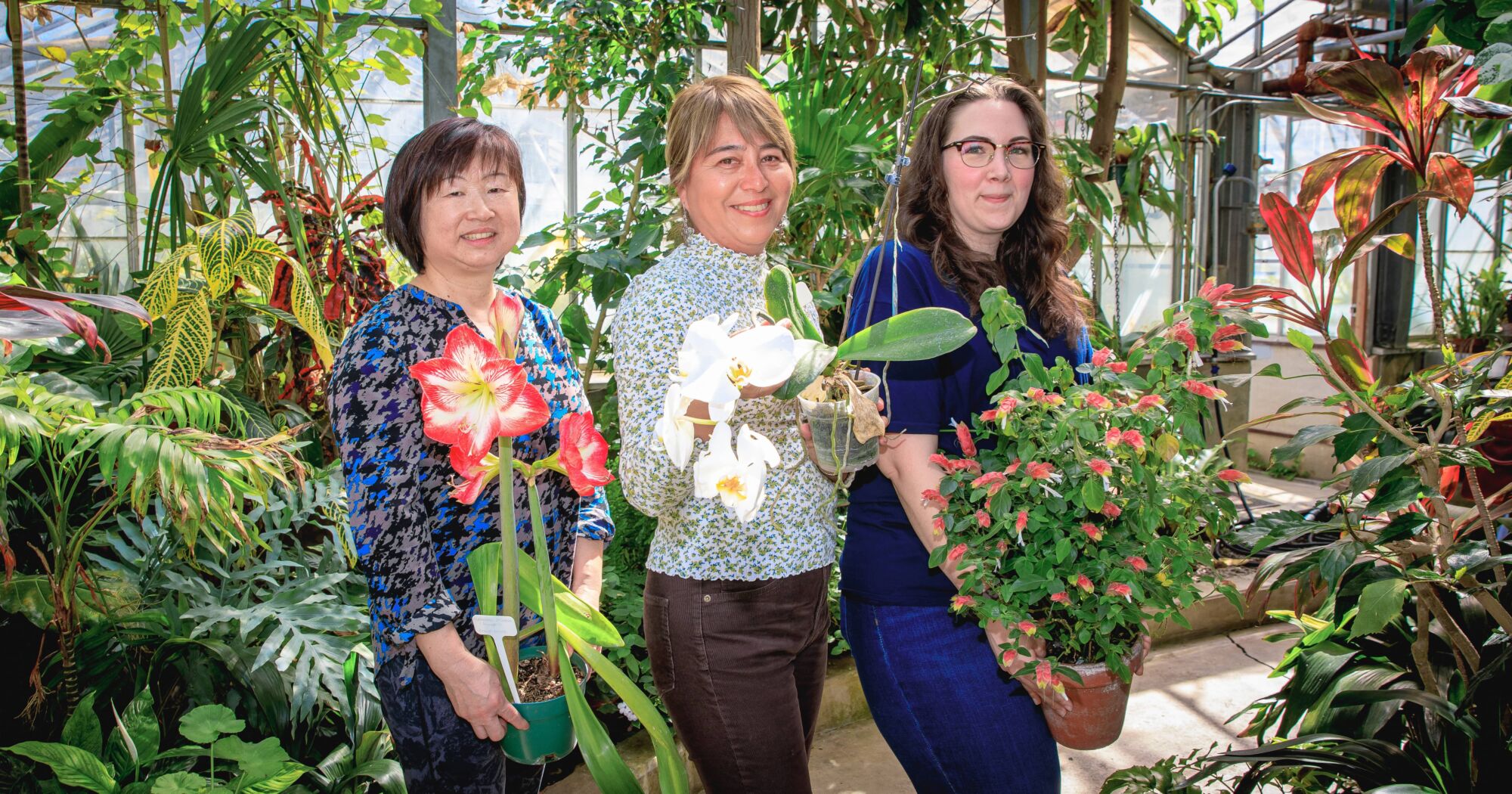
Western’s Sustainable Impact Fund empowers community-led projects that enhance ecological awareness and stewardship. Initiatives like the Tropical House greenhouse rejuvenation expand public access to biodiversity education through tours, workshops, and plant sales. By supporting infrastructure upgrades and engagement materials, the fund strengthens teaching and research capacity while promoting sustainable practices. These efforts connect students, faculty, and the broader community in learning about plant care, composting, and environmental responsibility.
Forest City Tree Festival
Western’s Forest City Tree Festival engages the public in urban forest stewardship through guided hikes, tree planting, and native plant exchanges. Collaborating with Indigenous leaders, conservation groups, and city officials, the event highlights ecological connections and community action. Educational panels explore careers in arboriculture and sustainable seed collection. Activities at the Wampum Learning Lodge integrate cultural knowledge and biodiversity restoration, while student-led research and Campus as a Living Lab initiatives promote long-term environmental awareness.
Madagascar Field Course
Western’s Environmental Anthropology field course in Madagascar connects students with local communities to study ecotourism and climate change. Through collaborative research, students explore biodiversity, conservation challenges, and sustainable livelihoods. Camping at community-run sites, they model responsible tourism and conduct climate surveys to support local adaptation efforts. The program builds intercultural understanding, strengthens community ties, and promotes ecological awareness through immersive, reciprocal learning experiences.
Operations
Friends of the Gardens: Plant Sale
Friends of the  Gardens (FOGs) is a group of volunteer gardeners at Western University. The FOGs plant sale promotes biodiversity through the distribution of native perennials, trees, shrubs, and herbs. Proceeds support student bursaries and community programs, while volunteers share plant care knowledge and ecological stewardship practices. Located near the Biological and Geological Sciences Building, the sale encourages sustainable gardening and habitat restoration. By integrating education, outreach, and hands-on experience, the initiative strengthens campus-wide efforts to protect species and enhance green spaces.
Wildfire Resilience Consortium of Canada
As a Wildfire Resilience Consortium of Canada core partner, Western contributes to wildfire resilience through collaborative research and knowledge exchange. The consortium integrates Indigenous stewardship, adaptive forest management, and technological innovation to address ecological threats. Western’s involvement supports long-term land management strategies and enhances national capacity to mitigate biodiversity loss. By engaging with academic, governmental, and community stakeholders, Western helps shape evidence-based approaches to forest health, species protection, and sustainable ecosystem recovery.
Western Tree Dashboard
The Western University Tree Dashboard maps over 4,000 campus trees, detailing species, location, and ecological value. It supports sustainable land management by tracking carbon sequestration, canopy coverage, and biodiversity metrics. Facilities teams use the tool to guide planting, maintenance, and restoration efforts. The dashboard enhances transparency and public engagement, allowing students and researchers to explore urban forestry data. This digital resource strengthens Western’s commitment to ecological stewardship and informed decision-making for green infrastructure.