
Search Website
SDG 17 Reports
Strengthen the means of implementation and revitalize the Global Partnership for Sustainable Development
Research
King’s Commonwealth Fellowship Programme
Western joined the King’s Commonwealth Fellowship Programme in 2025, partnering with the Association of Commonwealth Universities to support PhD research focused on economic, social and environmental development challenges in Small Island Developing States. Western is one of 23 participating universities and the only Canadian institution currently supporting a fellow. Through this partnership, University of Guyana researcher Mark Bastian is collaborating with Western biology professor Bryan Neff on amphibian health, water chemistry, pollutant levels and conservation in mining-affected environments. The fellowship strengthens international research collaboration while ensuring the work remains connected to the fellow’s home community and regional sustainability needs.
Northern Tornadoes Open Data Network
Western’s severe-storm research supports SDG 17 through open-data collaboration. The Northern Tornadoes Project and related severe-weather research collect, assess and publish tornado and storm data across Canada, making information available through public dashboards and research outputs. The work depends on collaboration between Western researchers, storm investigators, external funders, weather specialists and public users who rely on accurate hazard information. This open-data model strengthens partnerships for disaster resilience by allowing researchers, governments, emergency planners, insurers and communities to work from shared evidence on Canadian severe-weather risks.
Explore more SDG 17 related research
Teaching
International Faculty-Led Programs
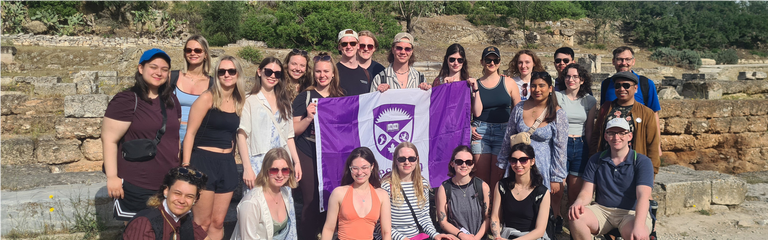
Western’s International Faculty-Led Programs connect classroom learning with structured study abroad experiences led by Western faculty. The programs have operated across more than 20 countries and involve learning outside the classroom through interaction with faculty members, academic partners and community partners. Examples include courses in Cuba, El Salvador, Spain, Germany, Italy, Greece, Mexico and the United Kingdom, showing how Western uses international partnerships to support applied, place-based and globally focused teaching.
IBET Momentum Fellowship
Western Engineering participates in the Indigenous and Black Engineering/Technology (IBET) Momentum Fellowship, a national STEM partnership that supports Indigenous and Black PhD students in engineering and technology. The fellowship provides financial support, mentorship and research training while connecting fellows with a broader network of peers, faculty mentors and participating institutions. At Western, the program contributes to graduate-level capacity building by helping fellows develop the skills, relationships and professional pathways needed for future roles in academia, industry and research leadership. The partnership expands access to advanced STEM training and supports a more inclusive research and innovation ecosystem.
Curriculum Development
Western’s Africa Institute and the University of Manitoba collaborated on the Achieving Equity and Global EDIDI Competence in the Canadian Health Sector Workforce program, connecting Canadian health-professions education with African partner institutions. The program supported 55 students through an online EDIDI course co-developed by Canadian and African subject matter experts, followed by five-week experiential learning placements in Kenya, Uganda, Rwanda and Senegal. Students created case studies from their placements, which were later incorporated into the EDIDI curriculum. The program strengthened international teaching partnerships through shared curriculum development, student mobility and applied global health learning.
Outreach
RECAP and Pillar Nonprofit Network Partnership
Western’s Research Engagement Collaborative Alliance with Partners (RECAP) works with Pillar Nonprofit Network to strengthen ethical, reciprocal and community-driven research partnerships. In May 2025, RECAP became a co-tenant at Innovation Works London, creating a shared space where local nonprofit organizations and Western researchers can build connections. Through workshops, drop-in hours and Pillar’s Pathways to Impact programming, the partnership helps community organizations access research expertise and develop collaborative projects shaped by local priorities.
Western Engineering Outreach Partnerships
In 2025, Western Engineering Outreach celebrated 35 years of partnering with schools, libraries, museums and community organizations to expand access to STEM education. Working with organizations such as Actua, Hydro One and Girl Guides of Canada, the program delivers workshops, camps and mentorship opportunities for children and youth. These partnerships help engage groups historically underrepresented in STEM and demonstrate how long-term community collaboration can support inclusive education and capacity-building.
Queen Elizabeth Scholars Program
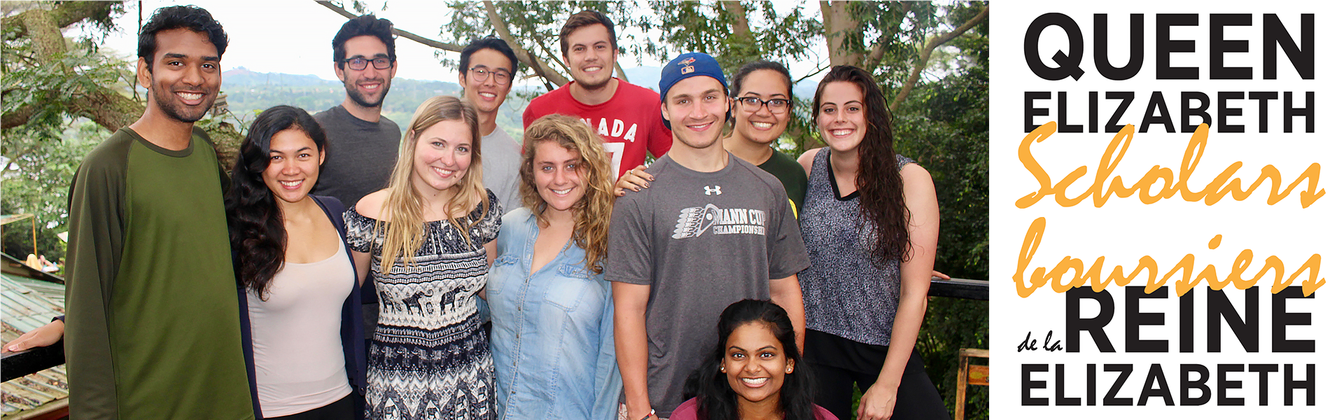
Western’s QES Program at the Africa Institute strengthens outreach by supporting student and researcher exchanges with West African universities. Participants engage in community-based projects and civic engagement activities focused on sustainable development. These collaborations build inclusive global networks, promote mutual learning, and enhance institutional relationships across borders. The program contributes to long-term partnerships that advance shared goals in education, research, and social impact.
Operations
Western–McMaster Shared Research Facilities Agreement
In October 2025, Western and McMaster University signed an agreement providing researchers with reciprocal access to 13 advanced research facilities across both institutions. The partnership expands access to specialized equipment and expertise while allowing researchers to use partner facilities at internal rates. By sharing infrastructure and increasing facility utilization, the agreement strengthens regional research capacity and improves the operational and financial sustainability of major research investments.
Ethical Supply-Chain Collaboration
In 2025, Western continued working with suppliers and the Ontario University Professional Procurement Management Association to strengthen ethical procurement practices. The collaboration supported the development of training on forced and child labour, supplier accountability and human-rights risks in university supply chains. As of March 2025, 466 suppliers representing approximately $104 million in spending had acknowledged Western’s Supplier Code of Conduct, demonstrating how institutional and supplier partnerships can support more responsible operations.
Western International College Partnership
Western signed an agreement in 2025 with Navitas to establish Western International College on the university’s west campus. Under the partnership, Navitas will support recruitment and day-to-day operations, while Western retains responsibility for academic programs, teaching standards and student progression. The two organizations are also developing shared administrative and student-support services, demonstrating how an institutional partnership can expand Western’s global reach while integrating new programs into campus operations.
Strengthen the means of implementation and revitalize the Global Partnership for Sustainable Development

Research
Partnerships with U.S. Universities
Western’s research collaborations with U.S. institutions were highlighted during the visit of Consul General Baxter Hunt. With over 7,000 co-authored publications and substantial NIH funding, these partnerships demonstrate Western’s commitment to advancing global knowledge through shared inquiry. The visit reinforced the university’s role in international research networks that promote innovation, academic exchange, and long-term institutional cooperation.
Battery Materials Research
Western advances global clean energy through battery materials research, partnering with industry and government. By developing solid-state technologies and using synchrotron-based methods, Western fosters interdisciplinary collaboration, shared infrastructure, and knowledge exchange. These efforts demonstrate how coordinated research networks accelerate sustainable technology and strengthen long-term international cooperation.
Whole of Community System Response

Western’s CRHESI team is leading a city-wide evaluation of London’s Whole of Community System Response to homelessness, coordinating over 100 researchers and partners. This collaborative effort integrates academic and community expertise to assess impact, improve strategies, and ensure sustainability. By aligning research with local needs and cross-sector input, Western strengthens institutional capacity for evidence-based decision-making and long-term partnerships that address complex social challenges.
Teaching
Bluewater Health Partnership
Western’s Schulich Medicine & Dentistry – Bluewater Health partnership expands clinical education by placing medical students in immersive clerkship programs within regional hospitals. This initiative strengthens teaching through experiential learning and builds long-term collaboration between academic and healthcare institutions. By aligning medical training with community needs, Western supports capacity-building and knowledge exchange, contributing to sustainable partnerships that enhance healthcare education and delivery across regions.

Best Practice Spotlight Organization
Western’s partnership with the Registered Nurses’ Association of Ontario through the Best Practice Spotlight Organization (BPSO) initiative integrates evidence-based guidelines into nursing education. Students engage with best practices in care transitions, pain management, and person-centred care, and complete champion training to lead change in academic and clinical settings. This approach strengthens teaching by aligning curriculum with global standards and preparing graduates to contribute to collaborative, quality-focused healthcare environments.
Curriculum Development
Western’s Wood Centre enhances teaching through global collaboration and curriculum innovation. By connecting Ivey researchers with international partners, it develops new pedagogical tools and refines best practices in business education. Initiatives like seminar series and Indigenous-led workshops promote inclusive learning and shared knowledge creation. These efforts strengthen institutional capacity for transformative education and support long-term partnerships across academic and cultural contexts.

Outreach
Global Skills Opportunity
Western’s Global Skills Opportunity initiative strengthens international outreach by building inclusive mobility pathways for underrepresented students. Through funded study abroad programs and student-led engagement with education and government leaders, Western expands global networks and promotes equitable access to international learning. These efforts enhance institutional collaboration across borders, contributing to long-term partnerships that support capacity-building, knowledge exchange, and inclusive development in higher education.
Queen Elizabeth Scholars Program
Western’s QES Program at the Africa Institute strengthens outreach by supporting student and researcher exchanges with West African universities. Participants engage in community-based projects and civic engagement activities focused on sustainable development. These collaborations build inclusive global networks, promote mutual learning, and enhance institutional relationships across borders. The program contributes to long-term partnerships that advance shared goals in education, research, and social impact.
Studying Abroad at Western
Western welcomed Indonesian students through a government-funded mobility program supporting international academic exchange. Participants engaged in interdisciplinary coursework and cultural activities, building connections with peers and faculty. The initiative reflects Western’s commitment to global engagement by enabling shared learning and institutional collaboration. By hosting students from diverse backgrounds, the university strengthens educational ties and builds inclusive, cross-border partnerships that enhance mutual understanding and capacity-building.

Operations
The Starling Centre for Just Technologies and Just Societies
Western’s Starling Centre operationalizes global collaboration by creating a platform for interdisciplinary research on technology and society. Its co-directorship model and inclusive governance structure enable shared leadership across academic and community partners. The centre supports knowledge exchange through public programming and partnerships that span sectors and borders. By addressing ethical challenges in digital innovation, it contributes to building sustainable networks for research, dialogue, and policy development across institutions and communities.
Western Research Parks
Western Research Parks operationalize global partnerships by connecting academic research with industry, government, and entrepreneurial ventures. Hosting over 50 companies across three campuses, the parks provide infrastructure and proximity to Western’s research expertise, enabling collaborative innovation in health, cleantech, and advanced manufacturing. These partnerships support commercialization, regulatory advancement, and knowledge exchange, strengthening institutional capacity and contributing to sustainable development through cross-sector cooperation and shared problem-solving.

Research Engagement Collaborative Alliance with Partners (RECAP)
Western’s RECAP program strengthens institutional infrastructure for collaborative research by supporting partnerships with government, industry, and non-profit organizations. It provides structured training, resources, and engagement opportunities to help researchers and external partners build effective, long-term relationships. By aligning internal processes with the needs of diverse collaborators, RECAP enhances Western’s ability to coordinate cross-sector initiatives, share knowledge, and contribute to impactful research that addresses complex societal challenges through sustained cooperation.