
Search Website
SDG 3 Reports
Ensure healthy lives and promote well-being for all at all ages

Research
Children and youth mental-health quality indicators
Western professor Shannon Stewart is advancing data-driven research to improve mental health services for children and youth. Supported by a Canadian Institutes of Health Research project grant, Stewart’s team is developing quality indicators to measure the effectiveness and quality of child and youth mental health care. Her work focuses on standardized assessment tools, evidence-based care planning, and system-wide data to reduce service gaps, improve early intervention, and help children and families receive the right level of support at the right time.
Exercise-Based Concussion Recovery
Western researchers found that a single 20-minute session of moderate-intensity aerobic exercise can improve executive function and reduce symptoms during the early stages of sports-related concussion recovery. Led by Matthew Heath from Western’s School of Kinesiology, the study examined varsity athletes 3 to 14 days after injury and found that exercising below the symptom threshold improved reaction time, cognitive control, and symptoms such as headache, nausea, and dizziness. The findings challenge the traditional approach of prolonged rest and support more individualized, exercise-based recovery strategies for athletes and others recovering from concussion.
Explore more SDG 3 related research
Teaching
Health Studies LEARN Lab
Western’s School of Health Studies LEARN Lab connects undergraduate students in the course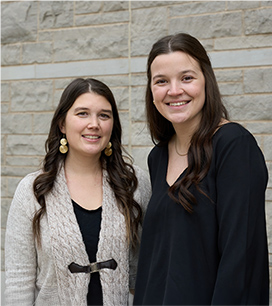 Health Issues in Childhood and Adolescence, HS 2700, with elementary school teachers from the Thames Valley and Waterloo Region school boards. Students design curriculum-aligned health education resources on topics such as physical well-being, social well-being, mental health, environmental health, self-confidence, yoga, and healthy habits. By turning classroom learning into practical teaching tools for younger students, the initiative strengthens experiential learning while expanding access to engaging health education resources in local schools.
Mindfulness in Legal Education
Western Law’s Mindfulness and the Legal Profession course integrates mental health, emotional intelligence, resilience, active listening and professional well-being into legal education. Taught by Professor Thomas Telfer, the upper-year credit course requires students to engage in guided mindfulness practice, weekly reflection and applied learning connected to the realities of the legal profession. A 2025 Western study found the course positively influenced student well-being while helping students develop skills relevant to their future legal practice.
Diverse Medical Illustrations for Physiology Teaching
Western professor Anita Woods and Western graduate Priya Modi created Physiology Diversified, an open educational resource that provides free, customizable and diverse scientific illustrations for physiology teaching. The resource allows instructors to adapt layered PowerPoint image sets to different lesson levels while improving representation across health science education. The project supports more inclusive and accessible teaching materials, helping students better understand human physiology, disease presentation and patient diversity.
Explore more SDG 3 related courses
Outreach
Community-Engaged Medical Science Projects
Western’s Community Engaged Learning and Research Skills capstone course connects fourth-year Interdisciplinary Medical Sciences students with local organizations addressing health-related community challenges, including homelessness, substance use, food insecurity and aging. In 2025, Schulich highlighted how students partnered with organizations such as 519Pursuit and the Muslim Resource Centre to develop community resources, workshops and support tools. The initiative strengthens outreach by bringing student knowledge into real community settings while supporting organizations working with vulnerable populations.
Discovery Week in Southwestern Ontario Communities
Schulich Medicine & Dentistry’s Discovery Week placed more than 190 first-year medical students in over 30 Southwestern Ontario communities in 2025. Through one-week placements in hospitals, clinics and regional health settings, students learned directly from community health-care partners and explored the realities of rural and regional medicine. The program supports long-term community health outreach by strengthening relationships between Western and regional partners while encouraging future physicians to consider practice in smaller and underserved communities.
GlamourGals Intergenerational Health Outreach
In 2025, Schulich medical students launched a local chapter of GlamourGals to build meaningful connections with seniors at Fox Hollow Retirement Residence in London. Through regular visits, students offered manicures, makeup, basic skin care, bracelet-making and
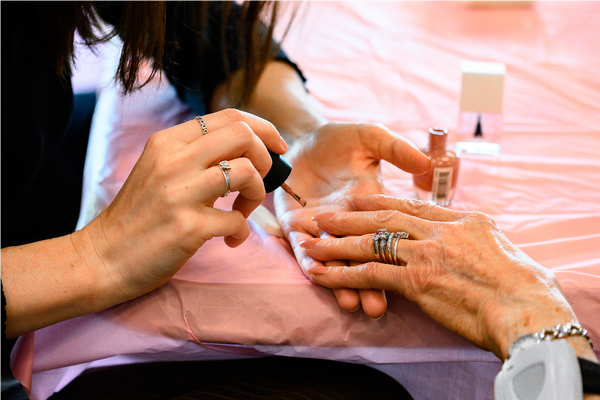 conversation, creating opportunities for companionship and intergenerational exchange. Beyond the activities themselves, the initiative helped address loneliness and social isolation among older adults while giving medical students a deeper understanding of aging, dignity and person-centred care. It demonstrates how student-led outreach can support emotional well-being in the community while strengthening empathy and human connection in future health professionals
Operations
Student Mental Health Strategy 2025–2030
Western’s Student Mental Health Strategy 2025–2030 provides an institutional roadmap to strengthen student mental health and wellness supports across campus. Developed through consultation with more than 2,400 students and 950 staff and faculty, the strategy focuses on building a resilient campus community, improving mental health education, supporting inclusive learning environments and expanding accessible wellness services. As an operations initiative, it shows how Western is embedding mental health into campus systems, services and decision-making.
Orientation Week Care Hubs and Transition Support
During Orientation Week 2025, Western operated Care Hubs and help stations across high-traffic campus areas to support new students during their transition to university life. These hubs provided practical support such as water, snacks and directions, while also making mental health counsellors available to students. Western also highlighted ongoing transition supports through Student Experience, including online modules, peer mentorship, learning support, writing help and wellness programming funded through the Parr Centre for Thriving.
Residence Counselling and Safety Supports
Western’s residence system provides operational health and well-being supports for students living on campus, including free short-term confidential counselling, live-in professional staff, student leaders, front desk support and safety programming. Residence Counselling helps students manage mental and emotional challenges, while residence safety systems include secure building access, 24/7 front desks in most buildings, Residence Safety Teams, trained Dons and Residence Life Coordinators. Together, these services create a structured support network that promotes student well-being in daily campus life.
Ensure healthy lives and promote well-being for all at all ages

Research
Omega-3 and Fetal Development
Researchers from Schulich Medicine & Dentistry have identified Omega-3 supplementation as a potential intervention to counteract the harmful effects of prenatal cannabis exposure. Using rat models, the study found that Omega-3, specifically DHA and EPA, prevented low birth weight and early cardiac dysfunction in offspring exposed to THC in utero. Published in Scientific Reports, this is the first study to demonstrate that a widely accessible dietary supplement could mitigate the developmental risks associated with cannabis use during pregnancy.

Sustainability Leadership in Healthcare
Dr Anna Gunz, a paediatric intensive care physician and associate professor, received the 2025 Western Climate and Sustainability Award for her leadership in advancing sustainability in healthcare. She leads initiatives like the Children’s Environmental Health Clinic and the Land-based Healing Program, integrating environmental health, clinical care, and advocacy. Her work promotes greener hospital practices and highlights the connection between climate change and children’s health.

Teaching
MA in Advanced Health Care: Diverse Specializations
The Advanced Health Care Practice master’s program at Western is a unique, one-year, course-based initiative designed for seasoned healthcare professionals seeking graduate-level education in specialized fields.
The program offers eight distinct fields of study:
- Clinical epidemiology and research management
- Sport and exercise medicine
- Upper extremity rehabilitation
- Comprehensive musculoskeletal physiotherapy
- Wound healing
- Interdisciplinary pain management
- Health equity and sustainability
- Applied health sciences
Global Health Systems
The Global Health Systems program is a one-year professional master’s degree focusing on international health, particularly in marginalized populations. Students have the opportunity to discuss solutions to issues in low- or middle-income countries while gaining the knowledge and skills to become leaders in this growing and dynamic field.
Community Service Learning
The Community Service Learning program offers undergraduate dental students opportunities for community service and engagement. They provide services at placements in local clinics and community sites in Southwestern Ontario. The program aims to provide person-centred and trauma-informed oral health treatment to equity-seeking community members.

Outreach
MedLINCs Summer Elective Program
Through Schulich Medicine’s Distributed Education,  the MedLINCs program places first- and second-year medical students within the Chippewas of Nawash community in the Grey-Bruce region. Over four weeks, students engage local youth through health-focused activities, hands-on learning, and traditional summer camp experiences. In partnership with the Chippewas of Nawash Community Health Centre, the program promotes interest in health-related careers and post-secondary education while strengthening community connections.
Black Youth Mental Health Community-Based Project
 This project engages Black students in Grades 7, 8, 11, and 12 to better understand and support their mental health needs. In partnership with two schools in Windsor, the initiative includes focus groups, mental health workshops, and knowledge mobilization activities. By centering youth voices, the project aims to advance culturally responsive mental health supports and reduce barriers to well-being.
Rural Medicine Outreach Club
The Rural Medicine Outreach Club broadens students’ exposure to rural healthcare by highlighting diverse medical practices across Southwestern Ontario. In partnership with the Distributed Education Office at Schulich and rural community stakeholders, the club organizes talks, hospital visits, and outreach programs to promote rural health careers. Through initiatives like Discovery Healthcare Summer Camp, interactive workshops, and virtual career fairs, the club supports secondary students in rural areas by offering mentorship and accessible career exploration opportunities in medicine and healthcare.
Canadian Centre for Activity and Aging

The Canadian Centre for Activity and Aging is a unique national research and education centre within the Faculty of Health Sciences at Western promoting physical activity and well-being for older adults. Its education and leadership training programs instruct thousands of individuals across Canada through exercise classes, conferences, certifications, and more to enhance the functional fitness of older adults at every level of mobility.
Operations
Wellness Support
Health & Wellness Services offers free, confidential services to help students achieve personal, social, and academic goals. Services include consultations, referrals, therapy, workshops, and group sessions. Centralizing all services supports a holistic care model with a single intake for medical and counseling services and wellness education. The newly renovated Thames Hall features a central atrium adorned with a living wall. With plenty of natural lights, the study space is infused with beautiful scenery and nature sounds.
PurpleCare

PurpleCARE enhances student well-being through essential health services:
- My Virtual Doctor: Ensures 24/7 access to virtual healthcare across Canada, featuring multilingual support, quick consultations, and comprehensive medical services such as diagnosis, prescriptions, and specialist referrals.
- My Student Plan: Offers coverage for prescription drugs, vision, dental care, and mental health counselling, supplementing provincial health insurance.
- Emotional / Mental Wellness: Provides resources for mental health challenges, including assessments, video counselling, and balancing tools.
PurpleCARE is committed to providing affordable and accessible health and wellness coverage to help students thrive both academically and personally.
Mary J. Wright Child and Youth Development Clinic
 Western’s Mary J. Wright Clinic provides accessible psychological services to children and youth aged 3 to 18 years, supporting well-being and success in school and life. Graduate students, supervised by licensed psychologists, offer assessments and treatments grounded in evidence-based, inclusive, and strength-based approaches. The clinic serves families from diverse backgrounds and integrates research, teaching, and practice to