
Search Website
SDG 6 Reports
Ensure availability and sustainable management of water and sanitation for all
Research
Global Water Futures Observatories
Western is a partner institution in Global Water Futures Observatories, a national research network advancing freshwater monitoring, hydrology, climate science, and data-driven water security solutions. The initiative supports open-access data, environmental monitoring, and partnerships with global networks focused on snow, glaciers, water cycles, and climate impacts. For SDG 6, this provides strong research evidence of Western’s involvement in large-scale freshwater science and collaborative water security research.
Environmental and Water Resources Engineering
Western’s Civil and Environmental Engineering researchers conduct water-related research in areas such as soil and groundwater remediation, wastewater treatment, water resources modelling, hydropower optimization, environmental hydraulics, and detection of groundwater contamination. This research supports practical solutions for protecting water systems, reducing pollution, and improving sustainable management of water, land, and environmental resources.
Wastewater Treatment and Pollution Control Research
Western professor George Nakhla conducts research in environmental engineering, with a
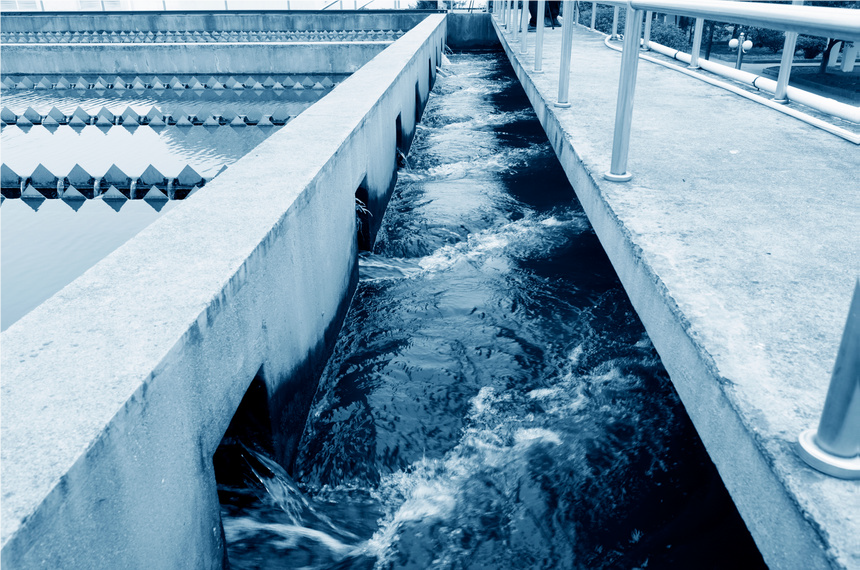
detoxification, groundwater bioremediation, and landfill wastewater (leachate) treatment. His research includes developing improved biological treatment processes and novel wastewater systems that remove organics, nitrogen, solids, and pollutants more efficiently. This supports cleaner water systems by advancing technologies for wastewater treatment and pollution reduction. focus on municipal and industrial wastewater treatment, biological nutrient removal, hazardous contaminant
Explore more SDG 6 related research
Teaching
Digital Water Infrastructures
Western’s Civil and Environmental Engineering graduate course Digital Water Infrastructures introduces students to data analytics and machine learning applications in urban water systems, including drinking water, wastewater and stormwater infrastructure. The course focuses on resilient, sustainable and cost-effective water management by teaching students how digital tools can improve infrastructure design, operation and maintenance.
Water Quality and Treatment
Western’s Water Quality and Treatment course develops graduate-level knowledge of drinking water quality and state-of-the-art treatment technologies. The course includes experimental work and a mandatory visit to the Walkerton Clean Water Centre’s Demonstration Facility, giving students practical exposure to drinking water treatment systems and challenges related to safe, clean and reliable water supply.
Watershed Modelling
Western’s Watershed Modelling course teaches students how to apply Geographic Information Systems, GIS, to water resources management. Students learn to use hydrologic and hydraulic modelling tools to analyze watershed systems and water-related challenges, supporting stronger technical understanding of sustainable water planning, flood risk and environmental management.
Explore more SDG 6 related courses
Outreach
RiverFest 2025
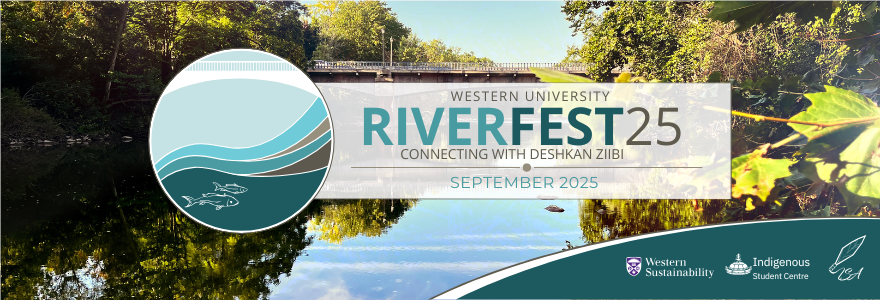
Western’s RiverFest 2025 brought together students, faculty, staff and community members to celebrate and learn about the Deshkan Ziibi (Thames River) through a series of educational and recreational activities. Hosted by Western Sustainability Office, the Indigenous Students’ Association, and the Indigenous Student Centre, the event featured guided walks and activities that connected participants with Deshkan Ziibi. By bringing together sustainability programming and Indigenous student leadership, the event supported reconciliation, environmental awareness, and respect for local water systems.
Interdisciplinary Development Initiatives
Western’s Interdisciplinary Development Initiatives program, led through the Western Water Centre, supports collaborative projects that address complex water challenges through cross-disciplinary research and community engagement. The initiative brings together researchers, students, industry partners and community organizations to develop practical solutions related to water quality, watershed management, climate resilience and sustainable water use. By encouraging knowledge sharing across disciplines and sectors, the program helps translate water research into real-world applications that benefit both local communities and broader environmental sustainability efforts.
WaterAid Sustainability
The WaterAid Sustainability Conference, held during Springfest 2025, brought together students to explore global and local water challenges through expert presentations, interactive activities, and discussions on water filtration technologies, river conservation and sustainable business practices. The conference was free for both members and non-members to attend, making sustainability learning accessible to a wider campus audience. It fostered meaningful dialogue between students, environmental professionals, local businesses, clubs and academic contributors while increasing awareness of water stewardship and sustainability. Through practical learning and community engagement, attendees gained insights into water-related issues and were encouraged to take an active role in advancing environmental sustainability both on campus and beyond.
Operations
Hydration Stations
Western has installed hydration stations across campus that provide free access to clean, filtered drinking water while helping reduce reliance on single-use plastic bottles. Many stations include
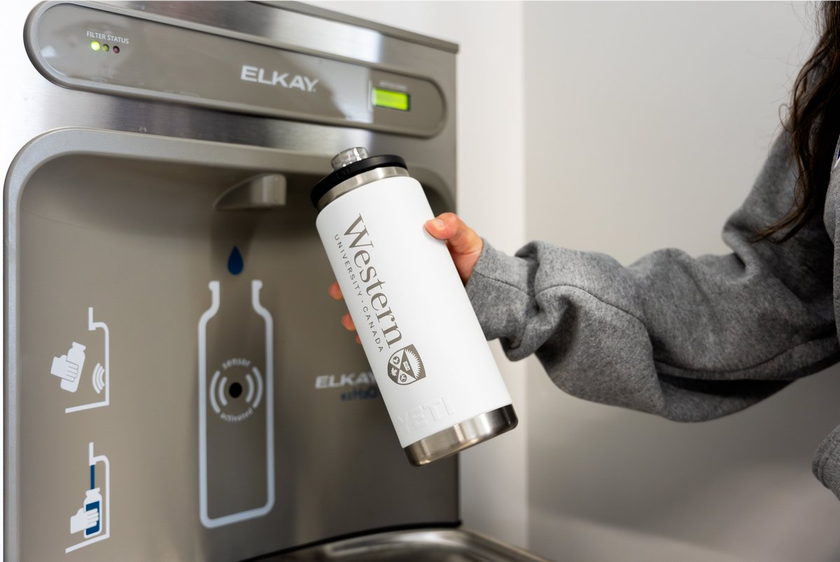
digital counters that show how many disposable plastic bottles have been avoided, making the impact of refilling more visible. Western also stopped selling plastic bottled water across campus in January 2024. By making safe drinking water readily accessible, Western promotes both environmental sustainability and campus well-being.
Water Recovery and Reuse Systems
Western’s Power Plant operates a process water recovery system that captures and reuses water from equipment-rinsing processes for blowdown tanks, chilled water make-up and other auxiliary services. Since 2017, the system has conserved approximately 10 million litres of municipal water, reducing demand on the city’s drinking water supply while improving the efficiency of campus operations.
Low Impact Development and Stormwater Management
Western implements Low Impact Development (LID) systems to reduce stormwater runoff and improve groundwater infiltration during heavy rainfall and snowmelt events. In 2025, the university’s rain garden near the Physics and Astronomy Building continued to support natural stormwater filtration by capturing runoff and removing salt and debris before water enters the ground. The garden also enhances campus biodiversity through native plant species while improving the outdoor environment for students, staff and visitors.
Ensure availability and sustainable management of water and sanitation for all
Research
Global Water Futures Observatories
Western collaborates with top Canadian universities and global networks to advance freshwater research and innovation. Through partnerships in hydrology, climate science, and AI, it supports data-driven solutions for water security. Linkages with organizations like Global Energy and Water Exchanges and AI4Snow enhance predictive modeling and environmental monitoring, strengthening Canada’s ability to address complex water challenges through shared knowledge, infrastructure, and open-access data.
Water Engineering
Since the late 1970s, Western Engineering has been a leader in water-related research, advancing technologies in water resources, quality, source protection, and treatment. Faculty develop practical solutions to improve water system resilience, access, and environmental health. Their work includes filtration innovations, watershed modeling, and integrated management strategies that support safe, efficient, and equitable water distribution for communities locally and globally.

Systems Analysis to Water and Environmental Management
Professor Slobodan Simonovic is globally renowned for advancing systems analysis in water and environmental management. His research combines simulation, optimization, and decision-making to address complex societal and ecological issues. With over 550 publications and numerous awards, his work has shaped global thinking on risk, resilience, and infrastructure. He continues to influence engineering education, policy, and practice worldwide.
Teaching
Environmental and Water Resources Courses
Western Engineering offers a diverse range of graduate-level courses focused on water resource management. These courses explore key themes such as hydroscience, stormwater and wastewater systems, environmental geotechnique, groundwater flow, water quality, and sustainable building practices. Designed to equip students with advanced technical knowledge and practical skills, the curriculum emphasizes interdisciplinary approaches to addressing current and future challenges in environmental engineering and water resource management.
Civil & Environmental Engineering
The Department of Civil & Environmental Engineering offers a range of courses in drinking water treatment at both undergraduate and graduate levels. Key specialized courses include:
- Watershed Modelling
- Environmental Assessment Process for Water Resources
- Environmental Water Chemistry
- Modeling and Simulation of Wastewater Processes
- Water Quality and Treatment
- Groundwater Flow and Contaminant Transport
Master of Environment and Sustainability
As part of the Master of Environment and Sustainability (MES) program, the Engineering Solutions course equips students with critical skills in wastewater treatment and water pollution control. Through practical exercises and case studies, students learn to apply advanced strategies for managing pollution and treating waste-water.

Outreach
Great Lake Fish Ontario Supply Chain Analysis:
This free public report offers insight into fish harvesting and processing in Ontario’s Great Lakes region, helping to raise awareness about sustainable fishing practices. Released in partnership with the Great Lakes and St. Lawrence Governors and Premiers, the report explores how the fishing industry can reduce waste and create greater value by making full use of Walleye and Yellow Perch catches. It provides practical recommendations to enhance both ecological sustainability and economic performance, contributing to the broader 100% Great Lakes Fish initiative.
Water Brigades
Water Brigades at Western is part of a global student movement that works with local communities to design and build sustainable clean water systems. Students collaborate with community leaders to construct infrastructure like dams, storage tanks, and pipelines, while supporting the creation of Water Councils to maintain the systems. Integrated with health, sanitation, and economic initiatives, the program promotes long-term community development and sustainable access to clean water.
Ontario Water Consortium
As a member of the Ontario Water Consortium, Western University collaborates with federal and provincial governments to advance water security through research and innovation. With more than 50 researchers working in areas like wastewater treatment, water resource management, groundwater remediation, and resource recovery, Western builds on its research strengths and state-of-the-art facilities to develop solutions to current and emerging water challenges.
Operations
Waterless Urinals
Western installed three Urimat waterless urinals in the Faculty of Education as part of a pilot project to reduce water consumption. These units eliminate the need for flushing, saving thousands of litres annually. Made from 100% recyclable materials, they use a chemical-free, microbiological cleaning system for hygiene and odor control. This initiative reflects Western’s commitment to innovative, sustainable solutions that conserve resources and improve operational efficiency across campus facilities.

Water Consumption
Western tracks campus water consumption and implements conservation strategies across operations. An official review of the Energy Conservation and Demand Management 2019–2024 Plan showed that, despite a 6% increase in campus space since 2018, water use dropped by 9% and water use intensity by 14%. These measures strengthen resource efficiency and support long-term water sustainability.
Drought Resistant Landscapes
Western is incorporating drought-resistant landscaping across campus to conserve water and maintain green spaces during dry periods. Native plants and low-water species are prioritized for new projects, reducing reliance on irrigation while supporting biodiversity. These landscapes are designed to thrive in local conditions, lowering maintenance needs and promoting ecological resilience. This approach reflects Western’s commitment to sustainable practices that protect resources and adapt to changing environmental challenges.