Take urgent action to combat climate change and its impacts
Research
Canadian Severe Storms Laboratory
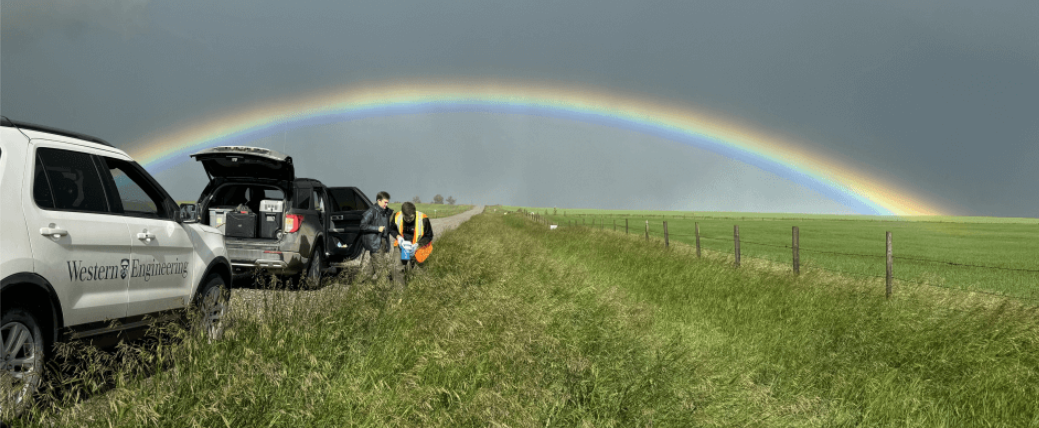
Western’s Canadian Severe Storms Laboratory (CSSL) contributes to climate action research by investigating extreme weather events such as tornadoes, hail, and flash floods. Through initiatives like the Northern Tornadoes and Hail Projects, CSSL collects high-resolution data to improve forecasting, risk assessment, and public safety. Its open-access model and collaborations with national partners support knowledge-sharing and innovation. This research helps communities adapt to climate-related hazards and strengthens Canada’s resilience to increasingly severe weather patterns.
Nature-based Carbon Solutions
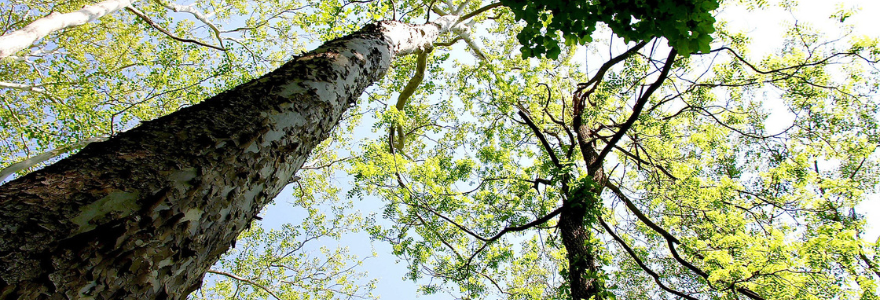
Dr. Mensink’s project, Nature-based Carbon Solutions,  explores nature-based carbon solutions through land conservancy partnerships. By measuring carbon stored in forests, wetlands, and grasslands, and evaluating restoration impacts, the research supports climate mitigation. It also develops GIS tools to guide land trusts in estimating carbon sequestration potential. This work contributes to evidence-based strategies for preserving ecosystems and enhancing carbon storage across Southwestern Ontario.
Teaching
Campus as a Living Lab
Western’s Campus as a Living Lab program transforms university grounds into a hands-on teaching environment where students apply classroom knowledge to real-world sustainability challenges. Through interdisciplinary projects—from energy modeling and ecosystem management to flood mitigation and biodiversity enhancement—students gain practical experience while contributing to campus improvements. This approach deepens understanding of environmental issues and encourages innovative thinking, preparing students to lead sustainable change in their future careers.
Master of Environment and Sustainability
Western’s Master of Environment and Sustainability (MES) program equips students to address climate challenges through interdisciplinary learning and applied experience. With coursework focused on climate change, conservation, and waste reduction, students gain practical skills in environmental consulting, stakeholder engagement, and project management. The program includes a co-op term and real-world client projects, preparing graduates to lead climate-responsive initiatives across sectors and contribute meaningfully to sustainable development.
Geography and Environment
Western’s undergraduate Geography and Environment program integrates climate action into teaching by bridging natural and social sciences. Students explore the causes and impacts of climate change through courses like Connecting for Climate Change Action, which combines Indigenous and Western knowledge systems. The program emphasizes experiential learning, systems thinking, and community engagement, preparing students to understand environmental challenges and contribute to sustainable solutions across diverse sectors.
Outreach
Riverfest
Riverfest engages the Western community in climate action through hands-on environmental restoration and education. By combining shoreline cleanups, tree planting, and interactive learning, the event fosters awareness of local climate impacts and promotes sustainable practices. It operationalizes outreach by connecting students, staff, and partners in collaborative efforts to protect ecosystems and build resilience against climate-related challenges.
 ClimateChangeCon
ClimateChangeCon at Western University empowers graduate students and postdoctoral researchers to share innovative climate research and foster interdisciplinary collaboration. Organized by the Western Climate Centre, the conference operationalizes outreach through presentations, networking, and knowledge exchange. It builds capacity for climate action by connecting emerging scholars with faculty, community members, and policymakers in a dynamic, solutions-focused environment.
EnviroCon
EnviroCon at Western University fosters climate-focused dialogue and collaboration by bringing together students, faculty, and community partners to share research and solutions on environmental challenges. Hosted by the Centre for Environment and Sustainability, the event operationalizes outreach through interdisciplinary presentations, networking, and knowledge exchange—empowering participants to take informed action on climate issues locally and globally.
Operations
Ivey’s Net-zero Committment
Ivey Business School’s net-zero commitment by 2034 strengthens sustainable campus operations through targeted reductions in direct and indirect emissions. The plan includes infrastructure retrofits, energy conservation, and clean technology evaluations. It also addresses waste, paper use, and business travel, with progress tracked through new sustainability metrics. Community engagement and behavior-based initiatives complement capital projects, ensuring collective accountability and long-term impact across Ivey’s facilities and operational practices.
Michael Newark Digitized Tornado Archive
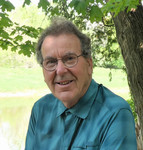 The Michael Newark Digitized Tornado Archive, housed at Western University, operationalizes climate data stewardship by curating and maintaining a comprehensive, open-access record of Canadian tornado events. It supports research, teaching, and emergency planning through detailed meteorological data and geospatial tools. This initiative strengthens Western’s institutional capacity to address extreme weather impacts through informed, evidence-based decision-making and community engagement.
WeCLISH Climate Café
Western’s Centre for Climate Change, Sustainable Livelihoods and Health hosts a Climate Café that offers a unique educational space for informal, inclusive conversations on climate change. Hosted monthly via Zoom, it brings together researchers, students, policymakers, and community members to explore climate topics through dialogue rather than debate. By encouraging respectful, evidence-informed exchanges, the Café builds climate literacy, supports interdisciplinary learning, and strengthens community engagement—key components of effective climate action education.