
Search Website
SDG 17: Western in Action for Partnerships for the Goals
Relationships
Western University actively collaborates with government agencies, NGOs, and community organizations to shape policy and strategy in support of the UN Sustainable Development Goals. Through interdisciplinary research, public engagement, and strategic partnerships, Western contributes to identifying challenges, developing evidence-based solutions, and enabling adaptive management across sectors. The following examples highlight the university’s direct involvement in SDG-related policy development and implementation.

Climate, Environment, and Disaster Resilience
- Canadian Severe Storms Laboratory (CSSL): Founded at Western in partnership with ImpactWX social impact fund, it is Canada’s authoritative source for severe convective storm data and research. CSSL collaborates with government bodies such as Environment and Climate Change Canada, and academic institutions such as the Institute for Catastrophic Loss Reduction, to collect data, model future scenarios, and inform policy development. CSSL’s work supports adaptive management strategies to mitigate the impact of extreme weather events.
- Carbon Solutions: Western collaborates with industry, regional governments, and community organizations to address carbon reduction and replacement. Funded projects explore, demonstrate, or validate viable solutions, including demonstration projects, prototypes, system testing, designs, and intellectual property. This initiative focuses on the circular economy to develop sustainable life cycle strategies for products, energy usage, and recycling.
- Central Canadian Symposium on Water Quality Research: This annual symposium unites experts, researchers, NGOs, policymakers, and other stakeholders to tackle water quality issues. It encourages collaboration, knowledge sharing, and problem solving through interactive workshops that provide strategies for improving and conserving water quality in line with SDGs 6, 9, 11, and 14.
- Centre for Multi-hazard Risk and Resilience (CMRR): This centre conducts extensive research on the risks associated with natural hazards and their effects on communities and infrastructure. It uses advanced modeling techniques to predict outcomes of various scenarios and monitors the effectiveness of implemented policies and strategies. CMRR collaborates with industry, government, and academia to reduce the impact of extreme events.
- Community and Infrastructure Resilience to Climate-geological Long-term Effects (CIRCLE): The CIRCLE Project builds partnerships with local governments, Indigenous communities, and international collaborators to co-develop disaster resilience strategies. These relationships inform policy development and planning for climate-related risks, ensuring that diverse voices shape sustainable solutions. The project’s collaborative model strengthens regional capacity to respond to environmental challenges through inclusive, evidence-based approaches.
- Institute for Catastrophic Loss Reduction (ICLR): This institute conducts multidisciplinary disaster prevention research, including modeling potential futures with and without interventions. It focuses on monitoring and reporting the effectiveness of these interventions and enabling adaptive management strategies. ICLR partners with NGOs like the Canadian Red Cross Society and the Federation of Canadian Municipalities to reduce the loss of life and property caused by severe weather and earthquakes.
- London Environmental Network: Western partners with this local network to protect the regional environment and build a more sustainable city through environmental programs and climate action initiatives. It seeks to empower our community to co-create meaningful and lasting environmental change.
- Metro Vancouver Seismic Microzonation Mapping Project: Western University leads a long-term collaboration with the BC Ministry of Emergency Management and Climate Readiness and Engineers and Geoscientists BC to support seismic risk policy. Through data, hazard maps, and professional guidelines, the project informs land-use planning, retrofitting, and emergency preparedness—enabling adaptive management and resilience in regional SDG-aligned policy development.
- Northern Tornadoes Project: This project involves collaborations among Western, Environment and Climate Change Canada, and other governmental organizations to improve tornado detection and inform policy development. It provides critical data for emergency response planning, models future scenarios, and maintains transparency through public data reporting, enhancing climate resilience and disaster preparedness.
- Satellite Monitoring Collaboration: Western University, in partnership with Defence Research and Development Canada, has developed and deployed a network of satellite-tracking cameras across Canada, including in the High Arctic. Originally designed for meteor detection, these low-cost systems now provide continuous monitoring of satellite activity, contributing to national security and space policy. The initiative models future scenarios, collects vast datasets, and informs adaptive management strategies for space traffic and environmental impacts.
Urban Policy, Energy, and Infrastructure
- Centre for Research on Health Equity and Social Inclusion: This research centre coordinates evaluation of London’s homelessness response, engaging over 100 researchers and community partners. The initiative informs policy through data and lived experience, guiding improvements in care, housing, and systems. It supports regional collaboration and evidence-based strategies for sustainable, inclusive solutions to complex social challenges.
- Centre for Urban Policy and Local Governance: This centre contributes to SDG policy development by identifying urban challenges, developing innovative policies, and modeling future scenarios through projects like LoGov-RISE. Its work explores the roles of different government levels, financial structures, and public participation. It also cultivates dialogue among academics, policy practitioners, and the broader public.
- Ivey Energy Policy and Management Centre: This centre collaborates with industry, government, and academia to develop effective energy policies and strategies. It conducts extensive research and provides expert consultation to inform policymaking and support sustainable energy practices. It also educates future leaders and monitors the effectiveness of energy interventions to enable adaptive management.
- Institute for Chemicals and Fuels from Alternative Resources (ICFAR): This institute specializes in biomass conversion, waste-to-energy technologies, and sustainable chemical processes. It collaborates with governments and NGOs to address environmental and energy challenges, contributing to SDG policy development. Additionally, it identifies problems, develops strategies, models future scenarios, and monitors the effectiveness of interventions to ensure adaptable and research-based policies.
- Public Policy Forum (PPF): As a member of PPF through Universities Canada, Western collaborates with government, industry, and civil society to advance evidence-based policymaking. PPF provides an independent platform for dialogue and research on Canada’s most pressing challenges, including inclusive economic growth, governance, and climate action. Through participation in policy discussions, expert convenings, and learning programs, we contribute to shaping practical strategies and fostering partnerships that support the UN Sustainable Development Goals.
- Wildfire Resilience Consortium of Canada (WRCC): As a core partner of WRCC, Western builds strong partnerships with Indigenous communities, academic institutions, and government agencies to co-develop wildfire resilience strategies. These collaborations inform policy and planning, integrating traditional knowledge and scientific research. By fostering inclusive, multi-level engagement, WRCC contributes to sustainable land management and disaster preparedness across Canada’s diverse regions.
Health and Migration
- MIND Brain Imaging Platform: Supported by a $2.9M investment from Brain Canada, Western’s Mesoscopic Integrated Neuroimaging Data (MIND) Platform enables high-resolution brain imaging for neurological research. It integrates MRI and light sheet microscopy to model disease progression and inform health policy. The platform’s open science framework and global data standards support international collaboration and adaptive management in brain health research.
- Pathways to Prosperity Partnership: Western plays a leading role in this national alliance focused on immigration and settlement policy. Through the Centre for Research on Migration and Ethnic Relations, Western contributes to identifying challenges, developing strategies, and informing government programs. The partnership engages NGOs, government agencies, and academic experts to promote inclusive communities and evidence-based policy.
- Radboud-Western Collaboration Fund: Western partners with Radboud University (Netherlands) to support joint research and education projects that create academic and societal impact. Funded initiatives include modeling fall risk using neuroimaging, evaluating patellofemoral biomechanics, and exploring AI-based computational models. These projects contribute to policy-relevant research and international collaboration on SDG-related challenges.
- United Way: As the leading NGO funder of social services in our region, United Way works to ensure everyone has a fair chance at a better life by reducing poverty, meeting basic needs, and addressing homelessness. Western proudly partners with United Way on one of the largest fundraising campaigns in the country. Public policy work, including advocacy and government relations, is central to United Way’s daily efforts.
- Western Centre for Climate Change, Sustainable Livelihoods and Health (WeCLISH): This centre engages with researchers, policymakers, civil society organizations, NGOs, and local communities to co-produce knowledge that informs policy development. This collaborative approach helps identify problems and challenges related to climate change and sustainable development.
Cross-Sectoral Dialogue About SDGs
Western University actively engages in cross-sectoral dialogue to advance the Sustainable Development Goals (SDGs), creating opportunities for collaboration among academia, government, NGOs, and industry. Through hosting and participating in conferences, forums, and strategic partnerships, the university supports inclusive, interdisciplinary engagement that informs policy, encourages knowledge exchange, and promotes community-driven solutions to global challenges.
- Alzheimer’s Association International Conference: Western University co-led Canada’s hosting of AAIC, the world’s largest dementia conference, convening international researchers, policymakers, and clinicians to establish cross-sectoral dialogue on cognitive aging breakthroughs and global health equity in dementia science and clinical practice.
- Ben Graham Centre’s European Value Investing Conference: Hosted by Ivey Business School, this annual international conference convenes academics, investors, and policy experts to discuss sustainable finance, long-term investment strategies, and economic resilience.
- Canada-Africa Academic Collaborations Conference: Western’s Africa Institute co-hosts this annual international conference with African partners. It featured dialogue on education, climate, Indigenous studies, and health, fostering academic collaboration for sustainable development.
- Central Canadian Symposium on Water Quality Research: Western co-hosts this annual symposium to unite researchers, NGOs, and policymakers in addressing water quality issues. Interactive workshops promote collaborative strategies aligned with SDGs 6, 9, 11, and 14.
- Centre for Research and Education on Violence Against Women and Children: CREVAWC leads a national community of practice through its Knowledge Hub, bringing together organizations and projects across the country to refine programming and services and learn from each other to coordinate nationwide research and prevent child maltreatment.
- Community and Infrastructure Resilience to Climate-geological Long-term Effects (CIRCLE): CIRCLE convenes academics, municipal leaders, Indigenous representatives, and international partners to address climate resilience. Through workshops and community engagement, it promotes knowledge exchange and shared learning. These workshops support integrated planning for disaster risk reduction and sustainability, aligning diverse sectors around common goals for climate adaptation and community well-being.
- Frugal Biomedical Innovation Symposium: Western Engineering initiates global cross-sectoral dialogue by hosting medical experts, researchers, policymakers, investors, and global health leaders to demonstrate affordable, open-source medical device solutions designed for remote and low-resource communities to address global health equity.
- Inclusion, Diversity, Decolonization, Equity and Accessibility Leadership Symposium: Western convened researchers, staff, students, and external partners in structured sessions that encouraged cross‑sector dialogue, shared learning, and collaborative approaches to advancing inclusive, equity‑focused institutional and community change.
- International Flood Management Conference: The Institute for Catastrophic Loss Reduction hosted ICFM10, gathering global experts, engineers, and policymakers to exchange innovative approaches for flood resilience and global climate change adaptation. Western Engineering co-published the official, open-access research proceedings, sharing transdisciplinary global insights on flood resilience and climate science.
- International Symposium for Olympic and Paralympic Research: Hosted by Western’s International Centre for Olympic Studies, this global network facilitates cross-sectoral dialogues on socio-cultural, political, and ethical issues in sports governance. This biennial symposium addresses systemic barriers in athletics, driving global research and policy development around paralympic inclusion, gender representation, and the ethical governance of artificial intelligence and surveillance technologies in international sports.
- Ivey PRME Webinar Series: Western hosts international, open-access webinars aligned with the UN Principles for Responsible Management Education, guiding global educators in developing and publishing impact-focused business cases on sustainability and ethics.
- Scotiabank International Case Competition: Ivey hosts an annual global case competition challenging undergraduate teams from five continents to develop strategic business solutions for critical priorities like transit decarbonization and healthcare access.
- Synthetic Collective: Western researchers collaborate with artists and scientists to address plastic pollution through exhibitions, fieldwork, and public dialogue. The initiative promotes sustainable curating and cross-sectoral engagement on environmental issues
- Thomas d’Aquino Lecture on Leadership: This annual event at Ivey Business School brings together leaders from business, government, and civil society to discuss leadership in the context of public policy, sustainability, and global challenges.
- Western Sustainable Leaders Program: This program connects students with sustainability professionals through guest lectures and networking events. It opens dialogue between campus and community stakeholders working on climate action, food systems, and social equity.
- Wildfire Resilience Consortium of Canada (WRCC): As a core WRCC partner, Western hosts events like the Foundational Knowledge Gathering to unite researchers, Indigenous leaders, emergency responders, and policymakers. These inclusive forums foster trust, shared learning, and collaborative wildfire resilience strategies, strengthening cross-sector understanding and coordinated climate action.
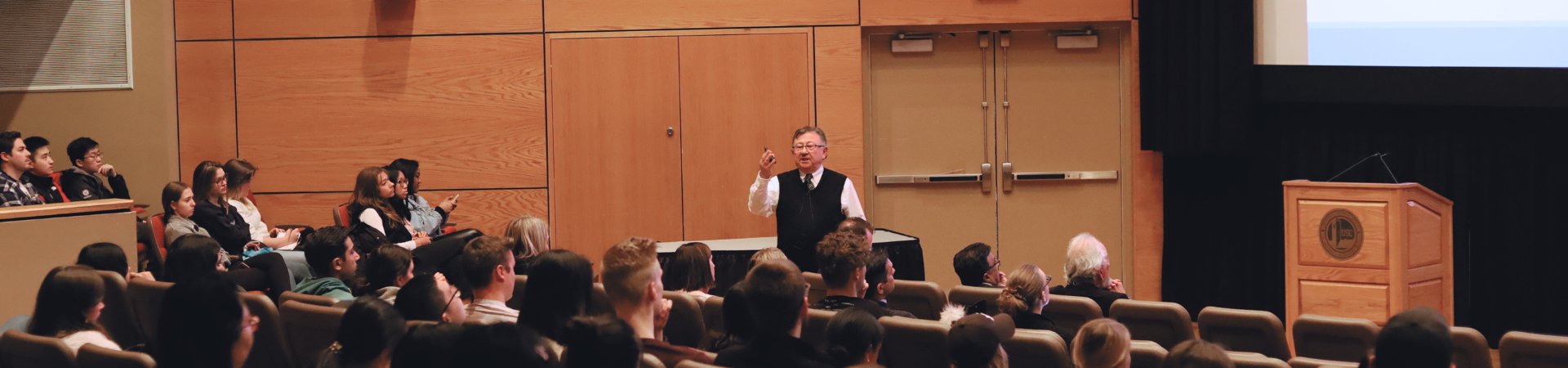
- Aristotle Innovation Forum Collaboration: Western's sustainability and engineering leaders participate in this international conference, collaborating with global universities and networks to share institutional climate strategies and develop best practices for sustainable education
- Canada’s Role in the Future of Nuclear Energy: This conference explored the future of Canada’s nuclear sector, both domestically and internationally, with speakers from across Canada.
- Canadian Circular Economy Summit: In partnership with the NGO Circular Economy Leadership Canada, the government organization Environment and Climate Change Canada and others, Ivey convened thought-leaders and change-makers from industry and the public sector to actively advance projects, investments, collaborations, and to inform policies that will reshape our current linear economic model, accelerating systems change and the transition to a low carbon, circular economy in Canada.
- Canadian Research Knowledge Network (CRKN) Conferences: Western participates in national cross-sectoral dialogues and conferences hosted by CRKN, including the Member Summit and Virtual Conference. These forums bring together 8 community-led universities, libraries, and heritage institutions alongside government funding bodies like the Canada Foundation for Innovation (CFI) to co-develop open science infrastructure, expand open-access publishing models, and coordinate national policies that bridge the digital divide and accelerate open knowledge sharing.
- Conference for the “Working Group Equity, Diversity, and Inclusion in Science and Society”: Western participates in international dialogues exchanging challenges, policies, and high‑impact EDI practices, contributing to joint strategy development and cross‑sector collaboration that strengthens shared approaches to equity and inclusion.
- Digital Public Interest Collective: Western researchers contribute to this interdisciplinary network focused on digital communication, misinformation, and online safety. The collective hosts webinars and publishes research to inform public policy and platform governance.
- G20 Youth Summit: Two Western alumni represented Canada at the 2024 G20 Youth Summit in Brazil. They contributed to global policy discussions on climate change, inequality, and governance, presenting youth perspectives to the G20 Presidency.
- Gender Equality Coalition of Ontario: Through virtual panel discussions, the coalition brings together activists, experts, and allies to explore diverse topics through a gendered lens, aiming to empower individuals, promote inclusion, and raise consciousness in communities across Ontario.
- Labs4 Lab-to-Market Collaboration: Western is a partner in the Labs4 initiative, which received Canada’s largest tri-council grant awarded to a college. The program supports cross-sectoral collaboration (involving academic institutions, government, and industry) to accelerate research advancing innovation aligned with the SDG goals.
- Local Government Alumni Conference: Municipal working professionals, anyone involved in or aspiring to work in municipal government, or any organization interacting with local government explore how to put vision and values into practice.
- London Environmental Network: Western partners with this NGO to strengthen connections to local community groups doing environmental work in areas such as climate action, ecosystem health, environmental education, food systems, horticulture, pollination, transportation, waste reduction, and water stewardship.
- Pathways to Prosperity: Western is a partner in this national alliance focused on immigration and settlement. Through workshops and research, the university engages with government and NGOs to shape inclusive policies and community practices.
- RECAP (Research Engagement Collaborative Alliance with Partners): Western’s RECAP program fosters authentic research partnerships across sectors. It hosts engagement events and offers training modules to support collaborative research that addresses societal challenges and informs policy.
- Royal Society of Canada (RSC): Western is an Institutional Member of the RSC, contributing to national dialogue on research, policy, and public engagement. Through lectures, symposia, and expert panels, Western helps shape multidisciplinary programming that addresses societal challenges and supports the advancement of the SDGs.
- Science Meets Parliament: Western participates annually in this national program that connects researchers with federal policymakers. The initiative promotes dialogue on evidence-based decision-making, science communication, and public policy, strengthening relationships between academia and government to support informed approaches to sustainability and the SDGs.
- The Conversation: Western faculty contribute expert commentary to this global non-profit platform, engaging the public, media, and policymakers in evidence-based dialogue on SDG-related topics such as climate, health, and education.
- Universities Canada: Western is a member of Universities Canada, a national organization that provides Canadian universities with a unified voice for higher education, research, and innovation. Universities Canada advances the mission of member institutions to transform lives, strengthen communities, and address the most pressing challenges facing our world. Through SDG toolkits, SDG reporting guides, and Action for Net Zero progress reports, it supports members in advancing the SDGs and sharing best practices.
- Western Space Mission Control: Western’s space research team collaborates with government and academic partners to operate mission control for planetary exploration. Public outreach and interdisciplinary planning support dialogue on space policy and sustainability.

- A Climate Charter for Canadian Universities: Western collaborates with leading Canadian universities through a shared commitment to climate‑aligned investment practices, participating in cross‑sector dialogue, setting collective decarbonization expectations, and publicly evaluating progress to advance national SDG‑focused sustainability leadership.
- Africa Institute: Western University leads collaborative research with institutions in five West African countries, addressing gender equity, health, land governance, and sustainable agriculture. These partnerships involve joint data collection, policy development, and capacity-building, with SDG 5 as a crosscutting theme.
- Canadian Severe Storms Laboratory (CSSL): Western University co-founded CSSL with ImpactWX and collaborates with Environment and Climate Change Canada and the Institute for Catastrophic Loss Reduction. The lab pools expertise from academia, government, and industry to collect and analyze severe weather data, informing public policy and disaster resilience. Western actively participates in cross-sectoral dialogue through workshops and policy briefings focused on climate risk. This initiative supports SDG 13 (Climate Action) and SDG 11 (Sustainable Cities).
- Carbon Solutions: Western’s Carbon Solutions Initiative engages industry, regional governments, and community organizations to co-develop carbon reduction strategies and circular economy models. The university hosts collaborative demonstrations and system testing events that bring together stakeholders from multiple sectors. These activities foster dialogue on sustainable production and climate resilience, directly supporting SDG 12 and SDG 13.
- Centre for Multi-hazard Risk and Resilience (CMRR): Western’s CMRR collaborates with government agencies, industry partners, and academic institutions to model and mitigate risks from natural hazards. The centre facilitates dialogue through joint research projects and policy evaluations, contributing to disaster preparedness and infrastructure resilience. These efforts support SDG 11 and SDG 13 and reflect Western’s active role in multi-sectoral engagement around climate adaptation.
- Institute for Catastrophic Loss and Reduction (ICLR): Established in affiliation with Western, this institute conducts research on disaster prevention and resilience in partnership with NGOs such as the Canadian Red Cross. The institute participates in policy development and monitoring, hosting forums and publishing guidance for governments and humanitarian organizations. This cross-sectoral collaboration supports SDG 11, SDG 13, and SDG 17, and exemplifies Western’s commitment to evidence-based policy dialogue.
- International Centre for Olympic Studies: Western’s Olympic Studies Centre engages global partners through symposia and research exchanges, fostering international dialogue on sport, equity, and inclusion while advancing shared approaches that address systemic barriers and promote reduced inequalities.
- Institute for Earth & Space Exploration: Western Space initiates cross-sectoral collaborations with global research networks, industries, foundations, and governments to address complex global challenges. By actively engaging with international frameworks like the Horizon Europe program and working with municipal authorities on environmental initiatives, the institute fosters interdisciplinary dialogue and drives collaborative policy development around open science, technology acceleration, and climate mitigation.
- Lawrence National Centre for Policy and Management: At Ivey Business School, the Lawrence Centre convenes leaders from business and government to develop public policy solutions. Through summits, publications, and strategic outreach, it facilitates dialogue on economic development, innovation, and sustainability. These efforts support SDG 8, SDG 9, and SDG 17, and demonstrate Western’s leadership in cross-sectoral engagement for SDG-related policy advancement.
- NeurotechEU Global Research Alliance: As the first non-European partner in the NeurotechEU alliance, Western collaborates with nine European universities to advance international student training, cross-border research, and global innovation in brain health.
- Ontario College and University Sustainability Professionals: A dynamic network of sustainability professionals within Ontario’s post-secondary sector. It facilitates knowledge sharing, professional development, and advocacy for sustainability initiatives, projects, and policies. This network strengthens institutional impact by providing opportunities to exchange ideas, benchmarking progress, and developing coordinated approaches to sustainability challenges.
- TKMS Defence Innovation Ecosystem: This Western research initiative connects academic scientists with international industry partners and Indigenous businesses to advance dual-use civilian and military technology. Participants collaborate on projects optimizing secure communications, artificial intelligence, and clean energy technologies for complex Arctic environments.
- Universities Canada: Western University is an active member of this federal body alongside 96 other public and private, not-for-profit Canadian universities. The organization brings universities together to coordinate policies, share information, and pool research strategies alongside the federal government.
Western actively participates in cross-sectoral dialogue, contributing to national and international conversations that shape policies, practices, and partnerships. Through inclusive and collaborative approaches, the university helps advance the SDGs by connecting diverse voices and driving meaningful change across sectors. 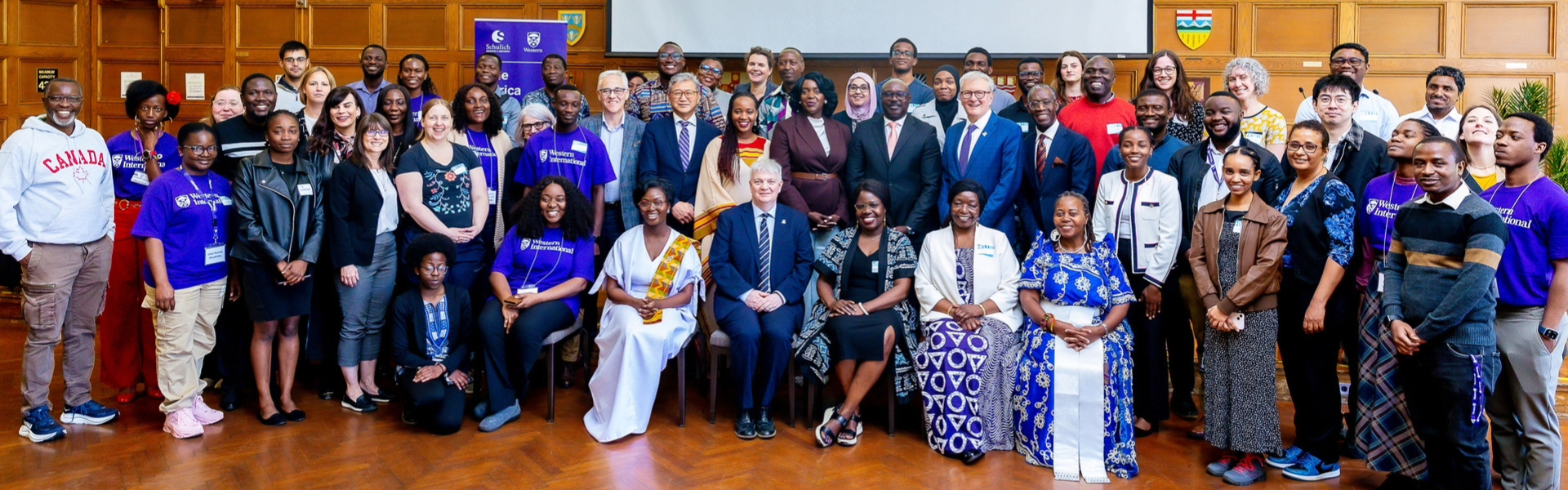
SDG Best Practice
Western University actively collaborates internationally to review comparative approaches and develop best practices for tackling the Sustainable Development Goals.
Western’s strategic plan recognizes the potential of our academic community to increase the impact of our research, teaching, and community engagement globally. We commit to collaborative interdisciplinary research addressing challenges such as sustainability, climate change, systemic racism, socioeconomic inequality, and more.
Western’s International Collaboration Network
- Academics Without Borders: An NGO with a mission to assist low- and middle-income countries improve their institutions of higher education so that they can train their own experts and conduct research to assist in their countries’ development. Volunteers devote their time, energy, and expertise to short- and long-term projects that strengthen the skills and knowledge needed in areas such as healthcare, education, infrastructure, and business.
- Association for the Advancement of Sustainability in Higher Education (AASHE): Western is an active member of AASHE, contributing to shared learning and benchmarking through its STARS submissions. AASHE supports institutions in developing best practices for sustainability in curriculum, operations, and community engagement, helping Western align its efforts with international standards and peer institutions.
- E-CONTRAIL 2 Climate Mitigation Initiative: Funded through the European Union’s Horizon Europe program, Western partners with an international consortium, including Charles III University of Madrid, TU Delft, and the Royal Meteorological Institute of Belgium to tackle aviation's climate impact. The project reviews comparative atmospheric datasets to establish global best practices and predictive modeling for contrail mitigation.
- Fields-Western Collaboration Centre: Western partnered with the Fields Institute to launch a satellite campus focused on mathematical research and innovation. The Centre is designed to host international researchers, conferences, summer schools, and collaborative workshops. It supports interdisciplinary collaboration in neuroscience, machine learning, and finance, developing best practices in applying mathematics to societal challenges.
- King's Commonwealth Fellowship Programme: Western partners with the KCFP as Canada's sole participant, providing world-class facilities and biology mentorship to international PhD scholars to develop international best practices and co-design research addressing environmental, climate, and socioeconomic challenges in Small Island Developing States.
- Sustainable Development Solutions Network (SDSN): The United Nations SDSN operates at the intersections of science, policy, and development practice to maximize SDG achievements at the global, regional, national, and local levels. They support peer-to-peer learning to promote the identification of best practices and local solutions, as well as global and regional cooperation to achieve the SDGs.
- Talloires Declaration: Western is a signatory to the Talloires Declaration, a global action plan for incorporating sustainability and environmental literacy into higher education. By aligning its teaching, research, and operations with this framework, Western contributes to the development and dissemination of best practices in sustainability across the global academic community.
- The Conversation: Western faculty regularly publish on The Conversation, a global platform for research-informed commentary published under a creative commons license. Articles span topics like climate change, equity, and public health, contributing to international dialogue and the dissemination of best practices. This engagement helps bridge academic research and public policy.
- University Climate Change Coalition (UC3): UC3connects some of the world’s leading research universities committed to accelerating climate action on campus, in communities, and at a global scale. Member universities actively participate in collaborative, cross-coalition activities such as working groups for peer-to-peer knowledge-sharing, and coalition-wide initiatives, which encourage deeper collaborative inquiry into specific climate issues that impact all members and the sector as a whole.
- Wood Centre: The Ivey Business School Wood Centre pedagogy initiatives promote international best practices by engaging educators and community leaders in collaborative curriculum design. Its workshops and co-teaching models generate insights that inform inclusive, globally relevant approaches to business education and leadership development.
- World University Services of Canada: Western partners with this NGO to support youth-centered solutions for education, economic empowerment, and inclusion across 15+ countries. Through collaborative projects and student engagement, Western helps co-develop and implement best practices that address inequality and promote sustainable development globally.

Western’s International Research Collaborations
- Africa Institute: This institute was established to promote and facilitate impactful research done by researchers at Western in Africa. Its members are building sustainable collaborations and partnerships with African peoples and institutions to promote initiatives that address some of the most pressing issues facing the African continent. Partnerships forged by the members of the Institute extend over several sectors, including but not limited to research, health, education, business, government, engineering, and arts and literature.
- Borealis Data Repository: Western’s Dataverse on Borealis provides secure, open-access infrastructure for research data sharing. Supported by Western Libraries, it enables faculty and students to publish datasets aligned with global standards. This platform supports transparency, reproducibility, and collaborative research, contributing to the development of best practices in data management and sustainability research.
- Frugal Biomedical Innovations Program (FBIP): FBIP is a multi-disciplinary initiative established to facilitate development and deployment of innovative medical technologies that improve healthcare access for patients in remote and low-resource contexts. FBIP harnesses the principles of “frugal innovation” to accelerate research and education focused on frugal biomedical innovations that serve communities that need it most. In Sub-Saharan Africa, FBIP has established a Global Research Coalition to make tangible strides towards equity.
- Global Research-Intensive Universities Network (GRIUN): Western is part of GRIUN, a coalition of 158 leading research universities worldwide. Through the Ottawa Declaration, members commit to strengthening international collaboration, academic freedom, and responsible research conduct. This partnership promotes shared learning and best practices to address global challenges through open, secure, and impactful research.
- Horizon Europe: Western partners with Horizon Europe, the EU’s key funding programme for research and innovation. It tackles climate change, helping to achieve the UN SDGs. The program facilitates collaboration and strengthens the impact of research and innovation in developing, supporting, and implementing policies while tackling global challenges.
- International Research: Western Research helps develop an international research development strategy and identify and establish relationships with global partners. Through matchmaking, team building, partnership agreements, and funding opportunities, the team brings international partners to Western and takes Western research to the world. The 17 SDGs provide a shared blueprint for peace and prosperity for people and the planet, shaping our research strategies.
- Participatory Agroecological Research for Transforming Knowledge and Equity in African Communities (PARTAKE): PARTAKE is an innovative partnership aiming to test the extent to which agroecological practices and participatory knowledge mobilization enhance African communities’ resilience against climate change in Malawi, Rwanda, Tanzania, and Zambia. The team intends to improve food security, health, and wellbeing; reduce post-harvest food loss; enhance environmental sustainability; and achieve gender, intergenerational, and socio-economic equities.
- Western in the World Global Engagement Plan: Our university’s new multi-year global engagement plan is designed to strengthen our internationalization efforts for greater impact, in pursuit of a more sustainable, just, and inclusive society. We are committed to exploring not just how Western can make a positive difference in the world, but how people around the world can help us cultivate more inclusive, diverse, and sustainable practices.
Best Practice
- Best Practice Spotlight Organization (BPSO): The Arthur Labatt Family School of Nursing has partnered with the Registered Nurses’ Association of Ontario to become a BPSO. BPSOs are healthcare and academic organizations selected to implement and evaluate best practice guidelines. This internationally renowned program’s strategic approach has been proven to trigger evidence-based cultures, improve patient experience and health outcomes, and lower cost of care by preventing complications.
- Conservation Impact Bond (CIB): Developed by Ivey’s Centre for Building Sustainable Value, the CIB is a financial instrument that connects Indigenous leadership, conservation experts, and investors to fund ecosystem restoration. The model promotes scalable, place-based solutions and has been recognized as a best practice in conservation finance and reconciliation.
- European Green Transition Panel: Western Engineering leadership joins international academic alliances to co-develop joint sustainability strategies, green campus policies, and standardized environmental impact indicators to accelerate higher education's role in the green transition.
- Global Identity Leadership Inventory (GILD): Western researchers contribute to the Global Identity Leadership Development project, which assesses leadership effectiveness across cultures. The GILD is used in over 20 countries to evaluate how leaders build shared identity and team cohesion. This collaboration helps shape best practices in leadership development and organizational sustainability.
- National Meteorological Society Membership: The Canadian Severe Storms Laboratory is an official member of the Canadian Meteorological and Oceanographic Society (CMOS), embedding Western University’s climate data within national peer-review networks and early-warning policy boards. CMOS is a major NGO serving the interests of meteorologists, climatologists, oceanographers, limnologists, hydrologists and cryospheric scientists in Canada. The Society addresses a broad range of national and international meteorological and oceanographic concerns including weather and weather extremes, global warming, ozone depletion, and surface air quality and their effects on all aspects of life in Canada including forestry, agriculture and fisheries.
- Network for Business Sustainability (NBS): NBS shares evidence-based sustainability guidance for leaders thinking ahead to build a world that is fairer, and more ecologically sound. Housed at Ivey Business School at Western, NBS engages an international community of business leaders, scholars, and policymakers to review and co-develop best practices for tackling the SDGs. Through rigorous research and cross-sector collaboration, it creates open-access content that enables practical action. NBS also facilitates opportunities for global sustainability changemakers to connect, exchange insights, and increase their capacity for collective impact. By regularly synthesizing global knowledge and sharing comparative approaches, NBS helps shape international benchmarks in sustainable business practice. Its reach and influence continue to grow: In 2023-2024 alone, the NBS website welcomed 157,000 new users from around the world.
- Principles for Responsible Investment (PRI): Western is a signatory to the UN-supported PRI, a global initiative that sets international best practices for responsible investment and ESG integration. PRI’s six principles guide investors in aligning portfolios with sustainability and climate goals. By adopting these principles, Western contributes to shaping global standards for decarbonization and sustainable finance. This collaboration enables benchmarking, knowledge sharing, and continuous improvement, reinforcing Western’s leadership in applying internationally recognized best practices to achieve net-zero targets.
- Sustainability Case Writing Awards: Ivey Publishing partners with the United Nations’ Global Compact’s Principles for Responsible Management Education (PRME) initiative. This alliance crowdsources, reviews, and establishes global best-practice educational frameworks for embedding the UN SDGs into business management curriculums to equip international business students with the necessary skills to solve real-world SDG challenges.
- Sustainability Centres Community: Run by Ivey Business School, this member community is part of NBS. Leaders of sustainability centres housed in universities worldwide connect to share best practices and support one another through virtual collaboration and in-person events. A list-serv allows members to ask questions, seek collaborators, and pose provocations. Regular events bring the community together for learning and action shaped by the SDGs.
- Wildfire Resilience Consortium of Canada (WRCC): As a core partner of WRCC, Western develops and shares best practices by integrating Indigenous fire stewardship, adaptive forest management, and technological innovation. Through national and international collaborations, it advances effective wildfire mitigation strategies. The consortium’s work supports knowledge exchange and continuous improvement, helping communities build resilience and adapt to evolving climate risks.
Collaboration with NGOs
Western collaborates with NGOs to tackle the SDGs. Western Research facilitates flexible and beneficial relationships among the university research community and industry, government, and non-profit partners.
- Canadian Centre for Activity and Aging: This Western centre connects volunteers with older adults in the community, offering meaningful engagement while supporting NGOs focused on healthy aging. The program contributes to SDG 3 (Good Health and Well-being) through intergenerational service and support.
- Community Engaged Learning: This initiative integrates academic coursework with community service, allowing students to earn credit while working with NGOs. This experiential learning fosters civic responsibility and supports SDG-related initiatives through hands-on collaboration with local and regional non-profit organizations.
- Frugal Biomedical Innovations Network: This engineering initiative connects students and clinicians with global healthcare organizations to design affordable medical devices for remote communities. Students volunteer on projects alongside international non-profits, such as Uganda’s Joint Clinical Research Centre, to optimize diagnostics and surgical tools for low-resource settings.
- HEAL Community Collaborations: Western’s Human Environments Analysis Lab collaborates with over 100 community organizations, most of which are NGOs. Students volunteer on projects addressing public health, urban planning, and food security, contributing to SDG 3, SDG 11, and SDG 2 through service-based learning.
- Ivey MBA Social Impact Day: Ivey Business School students partnered with seven NGOs—including ReForest London and Habitat for Humanity—to address environmental and social challenges. Activities included tree planting, food harvesting, and backpack packing, connecting students with community needs and SDG-aligned service.
- LEADER Project: A student-led international initiative, LEADER empowers entrepreneurs in frontier markets through NGO partnerships. It promotes sustainable economic growth by training over 10,000 individuals in 23 countries, supporting SDG 8 through global development and innovation.
- Student Volunteering | Leadership: Western’s Careers Office connects students with volunteer opportunities on campus and in the community, supporting local NGOs through leadership development, skill-building, and civic engagement that contributes meaningfully to advancing the UN Sustainable Development Goals.
- Tech for Social Impact: Western students partner with non-profits such as the International Rescue Committee and Plan International, to build production-grade software tools that streamline humanitarian services, enhance accessibility, and support communities.
- Volunteers in Progress: This structured program places students in local hospitals, where they volunteer in partnership with healthcare NGOs. It provides experiential learning while supporting SDG 3 and fostering empathy, professionalism, and community health awareness.
- Volunteer with Western International: Western International offers students opportunities to volunteer with NGOs such as United Way and Pillar Nonprofit Network. These experiences promote global citizenship and support community-based efforts aligned with the SDGs, including poverty reduction and social inclusion.
- Agrivoltaics Canada: As a member of this not-for-profit organization, Western drives innovation at the intersection of food security and clean energy. The university collaborates on farmer-led solar research to optimize crop yields, generate reliable green energy, and shape national sustainable agricultural policy.
- BrainsCAN Mitacs Partnership: Western’s neuroscience research initiative partners with the NGO Mitacs to support brain health research. This collaboration advances SDG 3 and SDG 9 by fostering innovation and interdisciplinary approaches to mental health and cognitive science.
- Earth Observations of Vegetation: Through Research Engagement Collaborative Alliance with Partners, Western collaborates with NGOs, governments, and industry to apply satellite data for vegetation and land monitoring. These partnerships support environmental research and inform strategies for sustainable resource management and climate-related decision-making across Canada.
- Fraunhofer Innovation Platform for Composites Research: This NGO partnership researches composite materials to make an international impact in growing sectors such as automotive, aerospace, defense, construction, medical devices, and renewable energy.
- Frugal Biomedical Innovations: Western’s Frugal Biomedical Innovations program collaborates with NGOs in Africa and Northern Canada to design affordable medical technologies. Projects include solar-powered vaccine fridges and needle-free diagnostics, improving healthcare access through context-sensitive, cost-effective engineering solutions.
- Maternal Newborn and Child Health in Rwanda: This partnership among the National University of Rwanda, Western University, and the Kigali Health Institute aims to enhance midwifery and pediatric nursing education. It supports SDG 3 by improving maternal and child health outcomes through collaborative policy development and capacity building.
- Partnership with Joint Clinical Research Centre: This interdisciplinary education, training, and research collaboration in Uganda establishes a long-term commitment to address the world’s most challenging global health issues through long-term, equitable, international research relationships.
- Partnership with VinUni College of Health Sciences: Western University and Vinuniversity signed a Memorandum of Understanding to advance global health education and research. The NGO collaboration enables joint curriculum development, student exchanges, and research projects focused on population health and health systems.
- Pathways to Prosperity Partnership: Western researchers co-lead this national alliance with NGOs and government partners to strengthen immigrant integration. Activities include policy-focused workshops and research on public attitudes, disaster preparedness, and community resilience, enhancing collaboration between academia and civil society.
- Science Meets Parliament: Western participates annually in Science Meets Parliament, hosted by the Canadian Science Policy Centre, a non-profit NGO. This program connects researchers with policymakers, enabling Western scholars to share expertise on climate, health, and technology at national and provincial levels.
- SOAHAC Indigenous Food Sovereignty Project: Western researchers and the Southwest Ontario Aboriginal Health Access Centre co-lead a CIHR-funded initiative to restore Indigenous food systems. The project integrates land-based learning, traditional food preparation, and cultural knowledge, advancing SDG 2 and SDG 10 through community-led research and health equity.
- Climate Crisis Coalition (CCC) – Western Chapter: CCC is an NGO that facilitates, participates in, and publicizes local and national climate actions that draw attention to the climate crisis and the strong measures needed to address it.
- Discovery Healthcare: This one-week medical science summer camp is designed to connect high school students with local NGOs to mentor and inspire interest in a career in healthcare.
- Engineers without Borders – Western Chapter: This NGO educates individuals about the SDGs through toolkits, workshops, community engagement, and online resources to contribute to an equitable and sustainable future for marginalized people and the planet.
- Ivey’s 39 Country Initiative: This initiative provides free access to Ivey Publishing, disseminating teaching content for faculty in the world’s poorest 46 countries, to support SDG 1 No Poverty, SDG 4 Quality Education, and SDG 8 Decent Work and Economic Growth.
- Purple Hands: This student-run NGO bridges the gap between the student populations and marginalized and vulnerable individuals in London through outreach, advocacy, and educational events and campaigns about homelessness.
- The Conversation: Western faculty contribute to The Conversation, a non-profit media outlet that translates academic research into public knowledge. Articles address SDGs including gender equity, climate action, and health, making research accessible to global audiences.
- Ubuntu Management Education Initiative: Through the Service Learning in Africa elective, Ivey students teach case-based learning at universities in Rwanda, Kenya, and Tanzania. They co-create educational resources and mentor entrepreneurs, supporting SDG 4 and SDG 8 through global knowledge exchange.
- Western International Impact Report: Western International collaborates with global NGOs and networks like Scholars at Risk and Academics Without Borders. Through student mobility, advising, and partnerships, the university supports SDG 17 by expanding global learning and engagement.
- MealCare Food Waste Diversion: Western’s MealCare student group collaborates with Second Harvest and local NGOs to rescue surplus food from campus eateries. Over 7,500 meals have been donated, reducing waste, and supporting food-insecure communities, contributing to SDG 2 and SDG 12.
- Principles for Responsible Investing: As a signatory, Western partners with a UN‑supported global investor network to advance ESG‑aligned investment practices, collaborating across sectors to support sustainable development and strengthen SDG‑focused responsible investment standards.
- University Network for Investor Engagement: Western collaborates with a national coalition of universities and the non‑profit SHARE to address climate‑related risks through coordinated shareholder engagement for endowments and pension plans, reducing emissions and supporting Canada’s transition to a low‑carbon economy.
Other NGO partners include:
- Active Aging Canada
- Alzheimer Society Southwest Partners
- Birds Canada
- Exploring by the Seat of Your Pants
- Flemingdon Health Centre
- Ingenium Foundation
- London Children’s Museum
- McCormick Care Group
- ONE CARE Home & Community Support Services
- Steamlabs
- Westend Seniors Activity Centre
International Collaboration to Measure SDGs
Western University actively participates in gathering and measuring data for SDGs through membership in several global networks. These networks represent a wide range of organizations working in the field of sustainability at different scales and with different focus areas. Participating in these networks helps Western to advance sustainability initiatives both on- and off-campus in partnership with other organizations.
- Academic Health Institutions’ Declaration on Planetary Health: Western is a signatory of this declaration that declares the health of the planet a Code Red emergency and call for immediate implementation of planetary health education and research, and the transition to climate-resilient and low-carbon health systems in order to build a healthy, sustainable, and just future for all. It calls for health institutions to collaborate and measure the impact of healthcare on the planet, including accountability for instituting adaptive measures.
- Africa Institute: Western builds reciprocal partnerships with African institutions to advance research aligned with local priorities. It supports interdisciplinary collaboration, strengthens data capacity, and engages with governments and communities to generate actionable knowledge that informs policy, development strategies, and global understanding of complex social and environmental challenges.
- Association for the Advancement of Sustainability in Higher Education (AASHE): Western has been a member of AASHE since 2011, submitting data to its Sustainability Tracking, Assessment & Rating System (STARS). This international framework enables colleges and universities to measure and benchmark their sustainability performance, contributing to global data collection and transparency in higher education’s role in advancing the SDGs.
- Association of Commonwealth Universities (ACU): Western University is a member of this global network of over 400 universities committed to advancing sustainable development through higher education. As part of this network, Western contributes to initiatives that promote equitable research partnerships, climate resilience, and SDG-focused policy development. The ACU facilitates international collaboration on SDG data gathering through projects such as the Commonwealth Futures Climate Research Cohort and the Higher Education and the SDGs Network, to share best practices, co-develop metrics, and contribute to global reporting.
- Association of Public and Land-Grant Universities (APLU): Western University is a member of this North American network of public research universities committed to advancing societal impact through education, research, and community engagement. Through APLU’s Powered by Publics initiative, Western contributes to collaborative data collection efforts aimed at improving student access, success, and equity—particularly for underrepresented and low-income populations. Member institutions share key metrics, disaggregated data, and best practices to drive transformation across higher education.
- Canada–Mexico Research Framework: Through NSERC and SSHRC, Western participates in a bilateral partnership with Mexico’s Secretaría de Ciencia, Humanidades, Tecnología e Innovación, enabling joint interdisciplinary research in energy transition, health technologies, and Indigenous-led innovation.
- Canadian Micro-Pulse Lidar Network: Operated by Western University, this network contributes to international collaboration by generating high-resolution atmospheric data across Canada. Integrating American and European agencies, it supports global efforts to monitor climate, air quality, and environmental change—advancing shared data infrastructure essential for sustainable development research and policy.
- Council of Graduate Schools (CGS): Western University is a member of the Council of Graduate Schools, an organization that supports graduate education and research across North America and globally. Through CGS, Western engages in collaborative initiatives that promote data-driven improvements in graduate education, including equity, career outcomes, and interdisciplinary research. CGS regularly gathers and shares benchmarking data from member institutions, contributing to international efforts to measure progress on SDG-related themes.
- Global Meteor Network: Western researchers contribute to this open-source international initiative that uses a network of over 1,000 cameras in 45 countries to monitor meteor activity. The project collects and publishes real-time data on meteoroid trajectories and atmospheric entry events. This collaboration supports global scientific research, enhances planetary defense strategies, and contributes to international data-sharing standards for space and atmospheric phenomena.
- Global Undergraduate Awards: Western University is a long-standing participant in this international academic competition that recognizes excellence in undergraduate research across 25 disciplines. By submitting student work to be anonymously reviewed by global academic panels, Western contributes to a shared international dataset that benchmarks academic achievement and disciplinary innovation. The program facilitates cross-institutional dialogue and knowledge exchange through its Global Undergraduate Summit, where Western students present their research and engage with peers from over 300 institutions worldwide.
- Global Virus Network (GVN): As the first Canadian institution to join the GVN, Western engages in virus research within a global infrastructure of 80 partners across 40 countries. GVN collaborates with government agencies, private sector companies, non-profit organizations and multilateral institutions to prepare for cross-border pandemic preparedness, viral tracking, and science-driven health data sharing.
- Higher Education Sustainability Initiative (HESI): As a member of HESI, a United Nations partnership, Western engages in global collaboration with higher education institutions, networks, and student organizations. The initiative promotes shared learning and data exchange to support SDG integration, helping institutions develop sustainability policies and track progress toward global development goals.
- Mauve Survey Programme: Western holds founding membership in this global multi-institutional satellite program built to pool space-science metrics and bypass traditional national telescope boundaries, directly generating shared, cross-border open-access scientific datasets.
- Northeastern Association of Graduate Schools: Western University is a member of this regional organization that promotes excellence and innovation in graduate education across institutions in Canada and the northeastern United States. Western engages in collaborative discussions and data-sharing initiatives focused on graduate student success, equity, and professional development.
- ORCID Consortium: Western is a member of the ORCID Consortium, administered by the Canadian Research Knowledge Network. This partnership supports standardized researcher identification and global data interoperability. By integrating ORCID IDs across research systems, Western contributes to international collaboration, transparent data tracking, and improved measurement of scholarly contributions to sustainability and SDG-related research.
- Principles for Responsible Investment (PRI): PRI is a premier global network where signatory institutions commit to integrating environmental, social, and governance (ESG) factors into investment decisions. By maintaining active signatory status, Western directly collaborates within an international framework to standardize, measure, and transparently report on climate and sustainability benchmarks across global asset classes
- Scholars at Risk: Western University is a member of the Canadian section of the international Scholars at Risk network, which defends academic freedom and supports scholars facing threats to their lives, liberty, and well-being. Through this collaboration, Western hosts displaced scholars in temporary academic positions, enabling them to continue their research and teaching in a safe environment. The university contributes to global data and advocacy efforts by participating in network-wide reporting on academic freedom violations and institutional responses.
- Sustainable Development Solutions Network (SDSN): Western is a member of the SDSN, which operates under the auspices of the UN Secretary-General, to mobilize the world’s universities, think tanks, and national laboratories for action on the SDGs and the Paris Agreement on Climate Change. SDSN empowers societies through free online education and translate scientific evidence and ideas into solutions and accountability.
- Synthetic Collective: Western faculty collaborate with artists, scientists, and curators in the Synthetic Collective to study plastic pollution in the Great Lakes. The initiative contributes to the US National Oceanic and Atmospheric Administration’s Marine Debris Action Plan and Environment and Climate Change Canada’s Plastic Pollution Framework. It combines fieldwork, lab analysis, and public exhibitions to generate and share environmental data, supporting international efforts to monitor and reduce plastic waste.
- University Climate Change Coalition (UC3): Western is a member of the UC3, a Second Nature initiative that connects 23 of the world’s leading research universities committed to accelerating climate action on campus, in communities, and globally. Second Nature supports UC3 universities to collaborate effectively, share knowledge, facilitate cross-sector partnerships, and drive meaningful and scalable action on climate change, including annual progress reporting. Western is also an active participant in this annual progress reporting.
- University Network of Excellence in Nuclear Engineering (UNENE): Western is a member of this strategic alliance of Canadian and international universities, industry leaders, federal agencies, and Canada’s national nuclear science institution. UNENE connects academia, industry, and government to drive nuclear knowledge, build talent, and champion the role of nuclear in securing a sustainable, prosperous, and clean energy future.
Education for SDGs
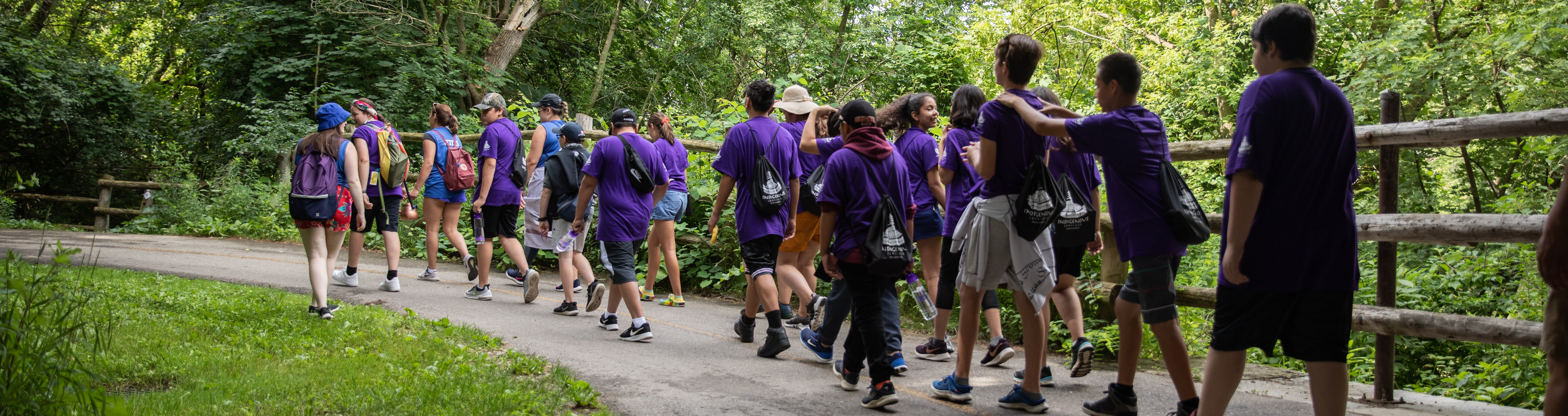
Western University is committed to meaningful education around the United Nations SDGs, ensuring that sustainability is relevant and applicable to all students across disciplines.
Curriculum Integration
- Centre for Environment and Sustainability: This centre led interdisciplinary sustainability education through undergraduate and graduate programs, including:
- Master of Environment and Sustainability (MES) Program
- Collaborative Specialization in Environment and Sustainability for graduate students in other disciplines
- Climate and Sustainability Strategy: Western’s President’s Advisory Committee on the Environment and Sustainability has developed a campus-wide climate and sustainability strategy. This initiative reflects the university’s commitment to SDG-aligned action and integrates sustainability into operations, academics, and research.
- Faculty-Level Strategic Plans:
- Faculty of Education: The strategic plan emphasizes equity, accessibility, and social justice, and commits to culturally responsive education and knowledge mobilization. The plan integrates SDG principles into teaching, research, and community engagement, ensuring new teachers will be trained in the importance of working towards the SDGs.
- Faculty of Engineering: The strategic plan emphasizes sustainability, innovation, and global impact. It supports SDG education through curriculum development, interdisciplinary research, and experiential learning opportunities that prepare students to address complex global challenges.
- Faculty of Science: The strategic plan promotes sustainability through research excellence, community engagement, and experiential learning. It aligns with Western’s broader sustainability goals and contributes to SDG education by fostering scientific literacy and environmental responsibility.
- Ivey Business School: All teaching cases have been reviewed and tagged for ESG and SDG relevance, embedding sustainability themes into management education and requiring every Ivey student to engage with the SDGs.
- Forward Together: Western Libraries' strategic plan supports the SDGs by promoting open access, knowledge mobilization, and inclusive learning environments. It emphasizes partnerships and digital equity in support of global education goals.
- Mobilize for Impact!: This Western Research Strategic Plan emphasizes research that addresses global challenges and promotes partnerships that advance the SDGs. It supports interdisciplinary collaboration and knowledge mobilization to increase societal impact, directly impacting the education of graduate students.
- Sustainability Course Inventory: Western engages with the AASHE STARS reporting framework, which includes a comprehensive Sustainability Course Inventory. All listed courses reflect connections to the SDGs, offering students opportunities to explore global challenges through diverse disciplinary lenses.
- Synthetic Collective: Through the Centre for Sustainable Curating, Western integrates sustainability into art and museum studies curricula. The Synthetic Collective brings together artists, scientists, and curators to address plastic pollution and environmental justice in the Great Lakes region, promoting SDG education across disciplines.
- University-Wide Strategic Plan – Towards Western at 150: Western’s institutional strategic plan identifies sustainability as an imperative and commits to embedding it across research, teaching, outreach, and operations. It highlights the university’s role in tackling global challenges such as climate change, systemic racism, and socioeconomic inequality through interdisciplinary research and education.
Co-curricular and Experiential Learning
- International Faculty-Led Programs: Western students have the opportunity to engage with global challenges through integrated coursework and experiential learning, gaining practical skills and ethical awareness to contribute to inclusive, responsible, and collaborative solutions in diverse international and community contexts.
- Local Impact Experience: Offered during Reading Week, this immersive service-learning initiative places students in community-based projects focused on sustainability and social justice. Participants reflect on their experiences through guided discussions, linking real-world challenges to SDG frameworks and enhancing their capacity for ethical leadership and global citizenship.
- SDG Month Canada: Western University collaborates with SDG Cities and Pillar Nonprofit Network to deliver a month-long series of educational events focused on the UN Sustainable Development Goals. Through lectures, workshops, and interactive sessions, students and community members learn how global sustainability challenges intersect with local issues. The initiative promotes interdisciplinary learning, critical thinking, and practical understanding of the SDGs, encouraging participants to apply sustainability principles in academic, professional, and civic contexts.
- Western Serves Network: This program connects students with short-term volunteer opportunities at local NGOs and community organizations. Through hands-on service, students gain practical experience in addressing social and environmental challenges, deepening their understanding of SDG-related issues such as poverty, health, and education.
- Western Sustainable Leaders Program: Recognizes students who demonstrate leadership in sustainability through campus initiatives, advocacy, and volunteerism. Participants engage in workshops and mentorship, and their contributions are recorded on their Co-Curricular Record.

Sustainability Courses
Western has specific programs and courses which address sustainability and the SDGs. Many of these programs lead to specific degrees or elective add-ons to degrees. We report on our sustainability course offerings through AASHE STARS.
- Civil and Environmental Engineering: This professional graduate program emphasizes sustainable design and environmental stewardship in civil infrastructure. Students explore topics such as water resources, waste management, and green building practices, preparing them to develop innovative solutions that support sustainable urban development and environmental protection.
- Collaborative Specialization in Environment and Sustainability: This specialization allows graduate students from various disciplines to integrate sustainability into their studies. It provides interdisciplinary training in environmental and sustainability issues, preparing students to address complex global challenges through research, policy, and practice.
- Graduate Diploma in Business and Sustainability: This diploma equips professionals with the knowledge to embed sustainability and social responsibility into business strategy. It emphasizes a systems-thinking approach, integrating environmental, social, and economic dimensions across organizational operations and supply chains.
- Graduate Diploma in Climate Risk Assessment and Opportunity: This program focuses on evaluating climate-related risks and identifying opportunities for adaptation and mitigation. It prepares students to support organizations in developing climate-resilient strategies and policies, contributing to sustainable development and risk-informed decision-making.
- Health Equity and Sustainability: This graduate offering explores the intersection of health equity and sustainability. It emphasizes the social determinants of health and environmental justice, preparing students to address disparities through sustainable health systems and community-based approaches.
- Master of Environment and Sustainability (MES) Program: The Master of Science degree program is interdisciplinary and open to students from diverse academic backgrounds. It prepares graduates for careers in sustainability across government, industry, NGOs, and social enterprises. The curriculum emphasizes practical skills and systems thinking to tackle environmental challenges.
- Western Law Global Sustainability Certification Program: This certification introduces law students to sustainability principles within a global legal context. It covers topics such as environmental law, corporate responsibility, and international frameworks, preparing graduates to advocate for sustainable legal practices and policy development.
- Certificate in Climate Change and Society: Designed to complement any degree, this certificate provides students with a focused understanding of climate change and its societal impacts. It emphasizes the science behind climate systems, the challenges posed by global warming, and practical approaches to mitigation and adaptation.
- Civil Engineering – Environmental Engineering Option: This undergraduate option within Civil Engineering focuses on sustainable infrastructure, water and wastewater treatment, and environmental protection. Students learn to design systems that minimize ecological impact and support sustainable development, preparing them to address environmental challenges in urban planning, construction, and resource management.
- Climate Change and Society Major: This major focuses on the causes and consequences of climate change and its impact on communities worldwide. Students examine climate systems, environmental challenges, and societal responses, gaining the knowledge and skills needed to contribute to climate solutions and sustainability initiatives.
- Environmental Science: Western’s Environmental Science undergraduate program offers a comprehensive curriculum focused on ecological systems, climate change, and sustainability. Students gain scientific and analytical skills to address environmental challenges and contribute to sustainable solutions in research, policy, and industry.
- HBA Sustainability Certificate: Offered through the Ivey Business School, this certificate allows undergraduate business students to specialize in sustainability. It covers sustainable finance, corporate social responsibility, and environmental strategy, preparing graduates to lead sustainability initiatives in the business world.
- Connecting for Climate Change Action: This free, award-winning online course is accessible globally and designed for adult learners. It uses storytelling to blend Indigenous knowledge and Western science, fostering climate literacy and motivating participants to take meaningful climate action in their communities.
- Ivey Conservation Leadership Program: This program develops leadership skills in conservation and sustainability. It targets professionals and community leaders, offering training in strategic planning, stakeholder engagement, and environmental stewardship to support sustainable conservation initiatives.
- Sustainable Promotional Product Marketing: Developed in partnership with Promotional Products Professionals of Canada, this 12-hour online course teaches professionals how to design and market sustainable products. It emphasizes environmental responsibility, consumer expectations, and alignment with sustainability goals in the promotional products industry.
Community Education
Western University provides dedicated outreach educational activities for the wider community, including alumni, local residents, and displaced people/refugees. These initiatives promote sustainability and SDG awareness through events, programs, and partnerships.
- Centre for Building Sustainable Value: This centre hosts regular events for Canadian businesses and the local community, which all include sustainability and SDG education, including:
- EnviroCon: An annual interdisciplinary conference that is FREE to attend and participate in. This event aims to bring together the knowledge and research of undergraduate and graduate students, faculty, and community members involved in environment and sustainability.
- Human Environments Analysis Laboratory (HEAL) Events: The HEAL hosts community-focused events and workshops on urban climate resilience, youth health, and environmental justice. These events integrate research with public education and often include youth and marginalized voices.
- Ivey Impact - Listen: The Centre for Building Sustainable Value at Ivey hosts the LISTEN platform, which shares stories and insights from sustainability leaders. It bridges academic research with community and business practice, fostering public understanding of sustainability challenges and solutions.
- Ivey Sustainability Conference: This annual conference helps create an inclusive community eager to push the frontiers of knowledge towards sustainable development and the creation of an equitable and inclusive bio-economy. Researchers from all disciplines and career stages are welcome to attend and participate in the conference.
- Pathways to Prosperity Conferences & Workshops: Western is a partner in the Pathways to Prosperity initiative, which hosts national and regional workshops on immigration, inclusion, and community resilience. These events are open to the public and often address SDG themes such as equity, education, and sustainable communities.
- SDG Month Canada: This initiative is an annual, month-long sustainability celebration involving over 35 student-facing clubs. Events are open to the public and include workshops, forums, and cultural gatherings that promote SDG awareness and community engagement. Highlights include the Youth Climate Lab, Indigenous Powwow, and EnviroCon.
- United Way Campaign: Western encourages staff and faculty to donate to the United Way Campaign through money and volunteerism to make a lasting change in people’s lives.
- Western Alumni Events: Western hosts regular events for alumni encourage continual learning and education. Many events focus on topics related to advancing the SDGs such as:
- Western’s Office of Sustainability: This office perpetuates sustainability on campus through initiatives powered by our students, staff, and community. Events include:
- Green Campus Tours: Open to the public, these tours showcase and encourage sustainable building opportunities, such as LEED certification.
- Riverfest: The annual Riverfest celebration provides unique opportunities for students, staff, faculty, and community members to learn, enjoy, and honour the river.
- SDG Month: A national collaborative initiative to host SDG events that increase awareness of the 17 SDGs.
- Student Network Groups: These groups provide an opportunity for students to do outreach and raise awareness about opportunities to take action on campus and in the community.
- Sustainable Workplace Ambassadors Program: This program will help you learn about a variety of sustainability topics, engage with other employees across campus, and take action at Western and in your broader community.
- Western Sustainable Leaders Program: This program engages guest speakers from across campus and the broader community, providing opportunities for students to network with professionals and peers involved with a wide range of sustainability initiatives on campus and in the community.
- World University Service of Canada at Western (WUSC): WUSC organizes fundraising, educational, and advocacy events to sponsor students with refugee status and help them to pursue their postsecondary studies through the Student Refugee Program.